Can You Pressure Wash a Resin Driveway?
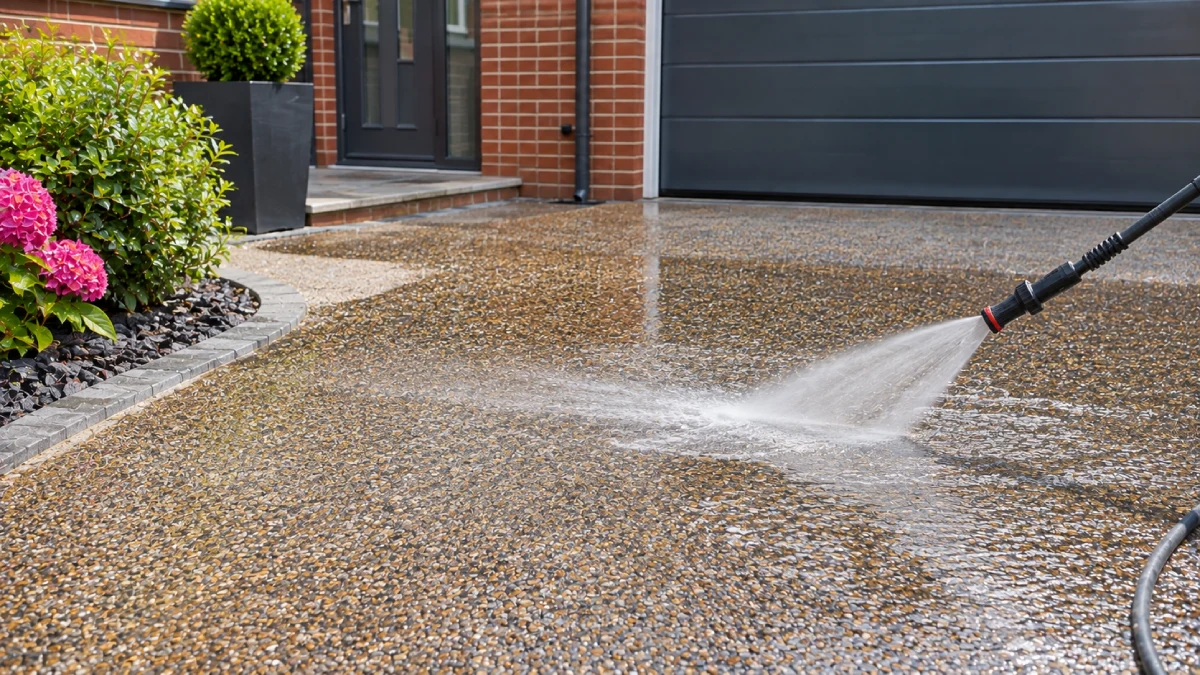
Can You Pressure Wash a Resin Driveway? Yes, a properly installed and fully cured resin-bound driveway can usually be pressure washed when the correct equipment and technique are used. A controlled water jet can remove dirt, moss, algae, tyre marks, and surface debris without damaging a sound resin-bound finish. However, excessive pressure, narrow nozzles, and spraying too close to the aggregate can loosen stones or damage the binder. The safest approach is to use a wide fan spray, maintain a suitable distance, and follow the original resin system’s maintenance instructions.
Total Surfacing Solutions provides resin-bound driveway installation, professional jet washing, and residential and commercial surfacing across Hertford, Hertfordshire, Bedfordshire, Oxford, Cambridgeshire, and Essex. The company helps property owners maintain existing surfaces while identifying when cleaning alone is insufficient. From removing surface contamination to assessing loose aggregate, drainage problems, and worn driveways, Total Surfacing Solutions focuses on protecting the condition and appearance of resin-bound surfacing through appropriate cleaning, maintenance, and installation work.
Quick Check: If your resin driveway has become stained, slippery, or covered with moss, Total Surfacing Solutions can assess its condition and recommend resin driveway cleaning and surface maintenance suited to the existing finish. Checking the surface before pressure washing helps avoid turning a manageable cleaning problem into unnecessary repair work.
Can You Pressure Wash Resin Driveway Safely?
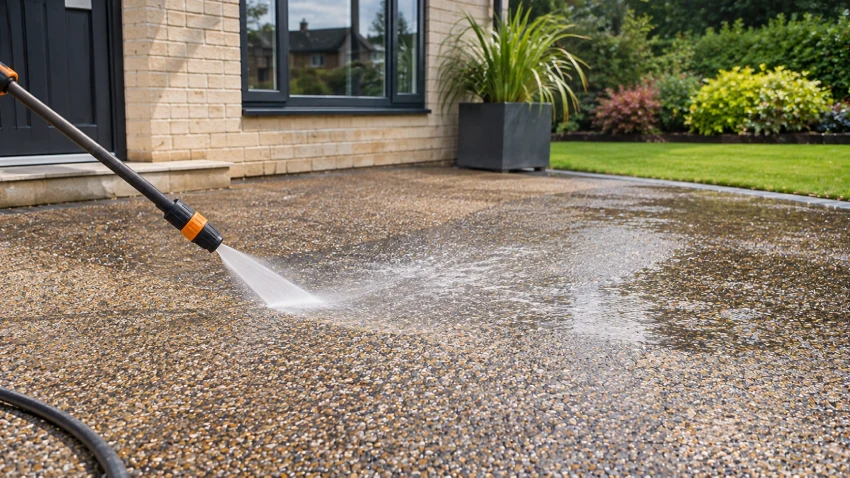
Pressure washing is generally suitable for a sound resin-bound driveway when the cleaning method follows the original manufacturer’s recommendations. Resin-bound surfacing consists of decorative aggregate particles held together by a resin binder, creating a continuous finish that can be damaged by excessively concentrated water pressure.
The objective is to remove contamination from the surface without disturbing the aggregate or weakening its bond. Professional resin maintenance guidance commonly describes the use of a fan-type nozzle, cool water, a suitable working distance, and a steady sweeping motion. Some established UK resin-bound maintenance guides permit equipment rated up to 150 bar, but this should not be treated as a requirement to operate at that pressure.
| Cleaning factor | Recommended approach | What to avoid |
| Water pressure | Start low and follow the installed system’s limits | Maximum pressure without assessment |
| Nozzle type | Wide, flat fan spray | Concentrated zero-degree jet |
| Nozzle distance | Maintain at least the manufacturer-recommended distance | Holding the nozzle close to the stones |
| Water temperature | Cool or normal-temperature water | Steam or excessively hot water |
| Cleaning movement | Continuous, overlapping sweeping passes | Concentrating the jet on one spot |
| Surface condition | Inspect the binder and aggregate first | Washing loose or damaged sections aggressively |
| Cleaning products | Mild, resin-compatible detergents | Unapproved acids and solvents |
| Final rinse | Remove residues with clean water | Leaving cleaning chemicals on the surface |
Total Surfacing Solutions considers the condition of the driveway before recommending a cleaning method. A recently installed, structurally sound surface requires a different approach from an older driveway showing loose aggregate, cracks, or weakened edges.
Pressure washing should remove dirt, not remove part of the driveway. If stones begin to move or the surface changes texture during cleaning, the process should stop until the cause is assessed.
What Pressure Setting Is Safe For Resin Driveways?
The appropriate pressure setting depends on the resin system, condition of the surface, nozzle configuration, and working distance. Many UK resin-bound aftercare guides describe a maximum pressure washer rating of 150 bar, with a fan-type jet held at least 200 mm from the surface. However, these figures come from particular system guidance and should not override the instructions provided for an individual installation.
For routine domestic cleaning, begin with a gentle setting and increase only when necessary and permitted. Maintaining adequate distance spreads the water force over a wider area, reducing the risk of damaging the aggregate binder. A narrow, powerful jet can concentrate pressure on individual stones and joints, particularly around vulnerable edges.
Why High Pressure Can Damage Resin
Resin-bound surfacing is designed to withstand normal pedestrian and vehicle use, but a concentrated water jet applies force differently from a car tyre or a person’s footwear. Excessive pressure may disturb exposed stones, weaken already damaged sections, or create uneven cleaning patterns.
Where the binder has deteriorated, strong washing can reveal or worsen defects that were previously less obvious. The resin surface wear and aggregate retention factors explain why installation quality and existing surface condition influence long-term performance.
How Far Should The Nozzle Be From The Surface?
Many manufacturer maintenance instructions specify a minimum nozzle distance of around 20 cm when using a suitable fan spray. This creates more space for the water jet to disperse before reaching the aggregate surface.
However, using a greater distance or gentler pressure may be appropriate where the driveway is older, visibly worn, or affected by previous damage. Total Surfacing Solutions can help homeowners assess whether a resin driveway is suitable for routine jet washing or should be inspected before powered cleaning begins.
How To Pressure Wash A Resin-Bound Driveway
The safest cleaning process begins with preparation rather than immediately switching on a pressure washer. A resin-bound driveway should be inspected, cleared of loose debris, and cleaned using a method that matches its condition.
Step 1: Inspect The Resin Surface
Before cleaning, walk around the driveway and look for cracks, loose stones, lifting edges, visible movement, or unusual soft areas. Check the sections where vehicles turn, park, or cross the driveway entrance because these areas experience regular loading.
If the surface is shedding aggregate or showing signs of structural deterioration, avoid pressure washing the affected sections until they have been assessed. Cleaning can remove contamination, but it cannot restore a weakened resin binder or repair an unstable foundation.
Step 2: Remove Loose Leaves And Debris
Sweep the surface using a suitable outdoor broom to remove leaves, twigs, soil, grit, and other loose material. This reduces the amount of debris that the water jet needs to dislodge and helps prevent dirt from being pushed across the driveway during cleaning.
The resin driveway routine washing and preparation steps provide additional detail about everyday cleaning, brushing, and stain treatment. Removing loose debris regularly can also reduce the conditions that encourage moss and algae growth.
Step 3: Select The Correct Equipment
Choose a pressure washer that allows controlled pressure and use a wide fan nozzle approved for the surface. Avoid concentrated pencil jets and aggressive turbo nozzles unless the original system manufacturer specifically permits a particular attachment.
The pressure washer attachment selection principles are useful when comparing cleaning heads, spray patterns, and equipment suitable for different driveway materials.
Step 4: Wash Using Even Movements
Begin at a suitable edge of the driveway and work systematically across the surface. Keep the nozzle moving in overlapping passes, maintaining the recommended distance and avoiding prolonged spraying on one area.
Use cool water and begin with gentle pressure. Where dirt is stubborn, a compatible cleaning product and light brushing may be safer than increasing the jet force. The objective is to loosen and remove contamination without disturbing the stone finish.
Step 5: Rinse And Inspect
Rinse away remaining detergent and loosened debris with clean water, allowing the driveway to drain naturally. Once the surface has dried, inspect it for remaining stains, uneven cleaning marks, loose aggregate, or areas that still hold water.
Total Surfacing Solutions can assess recurring surface problems where cleaning does not produce a consistent result. Persistent staining, puddles, or surface movement may indicate that the driveway needs further maintenance rather than stronger pressure washing.
Professional Driveway Jet Washing In Hertfordshire
Professional driveway cleaning is particularly useful when a resin-bound surface has extensive moss, stubborn staining, or contamination that ordinary sweeping cannot remove. The cleaning method should be selected according to the surface’s age, condition, aggregate finish, and any known maintenance restrictions.
Total Surfacing Solutions provides professional driveway jet washing in Hertfordshire for residential and commercial exterior surfaces. Its cleaning work covers resin, tarmac, concrete, block paving, and other appropriate outdoor materials, with equipment and methods selected according to the condition of each surface.
The company’s Hertfordshire jet washing service is relevant for homeowners seeking surface cleaning in Hertford, St Albans, Watford, Hemel Hempstead, Stevenage, and surrounding areas.
For a resin-bound driveway, the important consideration is controlled cleaning rather than maximum equipment power. Total Surfacing Solutions can also assess whether discolouration, loose stones, or repeated moisture problems require more than a wash.
Removing Moss And Algae From Resin Driveways
Moss and algae can develop on resin-bound driveways where shade, retained moisture, and accumulated organic debris create suitable growing conditions. Although resin-bound surfacing has a continuous aggregate structure, it is not completely immune to surface vegetation or contamination.
Regular sweeping helps remove the leaves and soil that encourage growth. If moss or algae is already present, a suitable resin-compatible treatment may be needed before rinsing. The cleaning product should be selected according to the resin manufacturer’s instructions, and aggressive scraping or concentrated jet washing should be avoided.
Why Moss Returns After Cleaning?
Recurring moss often indicates that environmental conditions have not changed. Overhanging trees, shaded walls, blocked drainage, and accumulated leaves can keep sections of a driveway damp for longer periods.
The surface weed establishment and resin edge conditions explain why vegetation may appear around driveway boundaries or where debris has accumulated. Removing surface growth is useful, but keeping the surrounding area clear is equally important.
Total Surfacing Solutions can assess whether recurring moss is a normal maintenance issue or part of a wider drainage problem. Where a resin driveway remains persistently wet, cleaning alone may not resolve the underlying condition.
How To Remove Oil And Tyre Marks?
Oil and tyre marks require a more targeted approach than ordinary dirt. Vehicle fluids can leave noticeable staining on decorative aggregate, particularly when the spill remains untreated for a prolonged period.
Fresh oil should be absorbed before rinsing so that the contamination is not spread over a larger area. A suitable absorbent material can help remove excess liquid, followed by a mild detergent or resin-compatible degreaser where permitted by the surface manufacturer.
The driveway oil contamination removal sequence provides further information about identifying and addressing vehicle-fluid stains.
Tyre marks may respond to mild cleaning and controlled brushing, but aggressive chemicals and concentrated pressure should not be the first approach. If the marks remain, Total Surfacing Solutions can help assess whether the problem involves surface contamination or a change in the resin finish.
Can Pressure Washing Damage Resin-Bound Surfacing?
Yes. Pressure washing can damage resin-bound surfacing if the water jet is too powerful, the nozzle is held too close, or the surface already has structural defects. The risk is particularly important around cracked areas, exposed edges, loose aggregate, or locations where the binder has deteriorated.
A pressure washer can remove dirt effectively, but it cannot distinguish between contamination and an already weakened stone bond. Excessive force may therefore dislodge aggregate or make small defects more noticeable.
Signs That Washing Is Too Aggressive
Warning signs include loose stones moving under the jet, unexpected changes in surface texture, visible scouring, or irregular lines appearing as the cleaning progresses. These symptoms should prompt an immediate reduction in pressure or a complete stop.
The resin cracking and surface discolouration patterns explain why some visible changes require further assessment rather than repeated cleaning.
When The Surface Needs Repair
If a driveway has widespread aggregate loss, cracking, or movement, cleaning may not be the appropriate first step. The surface should be checked to identify whether the problem is restricted to the resin layer or involves the supporting base.
Total Surfacing Solutions provides resin-bound driveway surfacing in Hertford for homeowners considering installation or replacement of damaged surfaces. Where a driveway has deteriorated beyond routine maintenance, a suitable resurfacing approach may provide a more dependable outcome than repeated pressure washing.
Does Jet Washing Affect Resin Driveway Drainage?
Resin-bound surfacing can be permeable when installed over a suitable base. Its aggregate structure allows water to move through connected spaces between the stones, helping manage rainfall when the complete driveway system is designed appropriately.
Over time, fine dirt, leaves, organic material, and other debris may accumulate on the surface. Routine cleaning can help remove contamination that obstructs water movement, but a pressure washer should not be used aggressively in an attempt to force water through the driveway.
The resin-bound pore structure and drainage performance explains why surface permeability depends on both the resin layer and the supporting construction.
Total Surfacing Solutions considers drainage when planning resin driveway installations. If water continues to pool after a careful clean, the cause may involve the base, surface levels, drainage outlets, or localised defects rather than ordinary dirt alone.
How Often Should You Pressure Wash Resin Driveways?
There is no universal pressure-washing frequency that suits every resin-bound driveway. Cleaning needs depend on vehicle traffic, nearby vegetation, weather exposure, surface colour, and the amount of contamination that develops.
A driveway beneath trees may collect leaves and organic matter more quickly than an open entrance. A commercial parking area may accumulate tyre marks or traffic film more frequently than a lightly used residential driveway.
For many homes, regular sweeping and occasional rinsing are sufficient between more thorough cleaning sessions. Pressure washing should be carried out when the surface actually needs it, rather than repeatedly exposing the aggregate to powered jets without a maintenance reason.
The resin driveway long-term care schedule explains how cleaning, inspection, and appropriate maintenance support the finished surface.
Total Surfacing Solutions can help property owners distinguish ordinary dirt from signs of deterioration, allowing maintenance decisions to reflect the condition of the driveway.
How Much Does Resin Driveway Pressure Washing Cost?
The cost of pressure washing a resin driveway depends on its size, accessibility, surface condition, and the type of contamination present. A lightly soiled driveway may require straightforward cleaning, while extensive moss, oil staining, or difficult access can increase the work involved.
Resin-bound surfaces may also require more careful equipment selection than hard concrete because the aggregate binder should not be exposed to unnecessary force. Cleaning a damaged surface can involve additional assessment or repairs before washing is appropriate.
The driveway washing quotation variables explain why area, preparation, equipment, and stain severity affect cleaning requirements.
For property owners considering professional cleaning, Total Surfacing Solutions can discuss the existing surface and whether jet washing, maintenance, or more extensive work is appropriate. A quotation should reflect the actual condition of the driveway rather than assume all surfaces require the same treatment.
Pressure Washing Newly Installed Resin Driveways
A newly installed resin-bound driveway must be allowed to cure sufficiently before powered cleaning is considered. Fresh resin can look complete before it has developed the strength required to tolerate ordinary vehicle traffic or the concentrated force of cleaning equipment.
The curing period depends on the resin formulation, temperature, humidity, and installation conditions. Homeowners should follow the aftercare instructions supplied for their specific system and avoid assuming that pedestrian or vehicle reopening automatically means pressure washing is immediately appropriate.
Total Surfacing Solutions provides resin driveway installations for St Albans and Hertfordshire homes where preparation, curing, drainage, and maintenance requirements form part of the wider project planning.
For customers researching resin driveways in St Albans, the important question is how the selected surface should be maintained after installation. Correct early aftercare helps protect the aggregate bond and finished appearance.
Resin-Bound Driveways Versus Other Surfacing Types
Different driveway materials respond differently to pressure washing, so equipment settings should not be transferred automatically between resin, tarmac, concrete, and block paving.
Resin-bound surfaces require attention to the aggregate binder. Block paving may have vulnerable joints, while older tarmac can suffer surface wear or loose material. Concrete can be structurally hard but may still have damaged coatings, cracks, or weak areas that make aggressive cleaning unsuitable.
| Surface type | Main cleaning consideration | Potential problem |
| Resin-bound | Protect aggregate and binder | Dislodged stones or scouring |
| Tarmac | Assess surface age and condition | Loss of loose surface material |
| Block paving | Protect joints and bedding | Joint sand displacement |
| Concrete | Check coating and surface condition | Etching or coating damage |
| Resin-bonded | Assess exposed aggregate adhesion | Loss of broadcast stones |
Total Surfacing Solutions works with several driveway and commercial surfacing materials. This allows cleaning and maintenance decisions to consider the actual surface rather than treating every driveway as if it were plain concrete.
Low-Maintenance Resin Driveway Surfacing
A properly installed resin-bound driveway can be relatively straightforward to maintain because it has a continuous aggregate finish rather than numerous individual paving joints. However, low maintenance does not mean that cleaning, inspection, or stain removal can be ignored.
Leaves, mud, vehicle fluids, and organic debris still need attention. Maintaining the surface helps protect its appearance and can reduce the need for more intensive pressure washing later.
Total Surfacing Solutions provides resin-bound installations and discusses easy-care driveway surfacing in Hertfordshire for homeowners seeking a suitable finish for daily parking and manageable upkeep.
Its low-maintenance driveway surface options can be considered where homeowners want to replace an older driveway that requires repeated cleaning or frequent repairs. The correct choice depends on the property’s base condition, drainage, appearance preferences, and vehicle use.
Where the existing resin surface is sound, however, careful maintenance may be more appropriate than replacement.
Professional Resin Cleaning For Commercial Areas
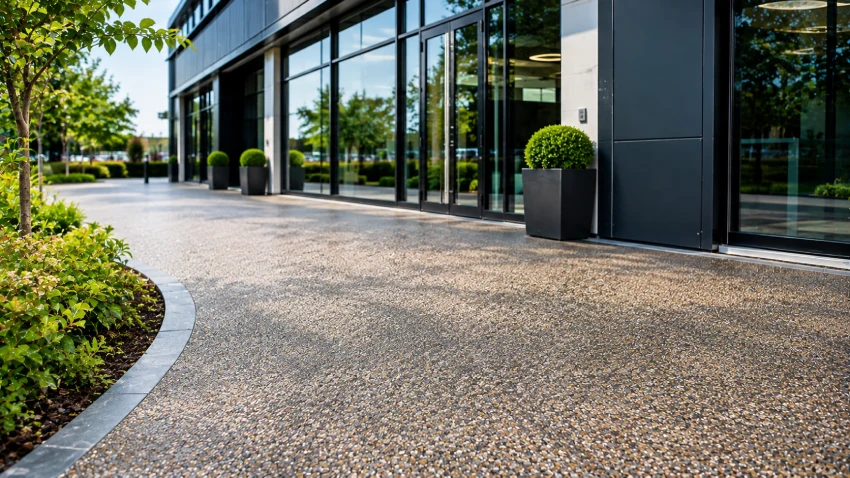
Commercial resin-bound surfaces can develop different cleaning needs from domestic driveways because they may experience heavier pedestrian movement, frequent vehicles, tyre marks, or contamination from nearby activities.
Business entrances, shared parking areas, and pedestrian access routes should be cleaned using methods suitable for the installed resin system. The work may also require temporary access management so that cleaning equipment and wet surfaces do not create unnecessary hazards.
Total Surfacing Solutions provides residential and commercial surfacing alongside professional exterior jet washing. For commercial properties, the company can assess whether routine cleaning is appropriate or whether visible defects suggest that part of the surface needs repair.
A carefully planned cleaning programme helps maintain access and surface condition without relying on excessive pressure or unsuitable chemicals.
Can You Pressure Wash Resin Driveway? Area Coverage
Resin-bound driveway cleaning requirements vary according to surface condition, surrounding vegetation, vehicle use, and exposure to dirt and moisture. Total Surfacing Solutions serves Bedfordshire, Oxford, Cambridgeshire, Essex, and Hertfordshire, helping property owners consider suitable resin-bound maintenance, cleaning, and surfacing solutions.
Can You Pressure Wash Resin Driveway In Bedfordshire?
Homeowners with resin-bound driveways in Bedfordshire can usually use controlled pressure washing on a fully cured, structurally sound surface. Properties in Bedford, Luton, Dunstable, and surrounding areas may have different cleaning requirements depending on vehicle use, shade, and nearby planting. Total Surfacing Solutions provides resin-bound surfacing across Bedfordshire and can assess whether an older driveway needs careful maintenance or a more extensive surfacing improvement.
Resin Driveway Pressure Washing In Oxford
For resin driveways in Oxford, cleaning should begin with an inspection of the aggregate and binder rather than immediately using a high-pressure setting. Shaded entrances and areas surrounded by planting may accumulate moss, leaves, and organic debris that require routine attention. Total Surfacing Solutions provides resin-bound driveway installation in Oxford and can advise on the suitability of existing surfaces where visible wear or drainage problems affect maintenance.
Resin-Bound Driveway Cleaning In Cambridgeshire
Cambridgeshire homeowners should use pressure-washing methods that protect the resin binder and avoid concentrating water against weak edges or damaged sections. Total Surfacing Solutions provides resin-bound surfacing for properties across Cambridge, Ely, Huntingdon, and surrounding communities. Where cleaning repeatedly fails to remove staining or standing water, the condition of the surface and supporting base may need assessment before further treatment.
Safe Resin Driveway Washing In Essex
Resin-bound driveways in Essex can benefit from regular sweeping, careful rinsing, and controlled jet washing when the surface is sound. Homeowners in Chelmsford, Harlow, Colchester, and surrounding locations should consider whether contamination is limited to the surface or linked to drainage and wear. Total Surfacing Solutions provides resin-bound driveway services in Essex, including assessment of existing installations where cleaning alone cannot resolve visible deterioration.
Can You Pressure Wash Resin Driveway In Hertfordshire?
For homeowners with resin-bound driveways in Hertfordshire, controlled pressure washing can remove normal dirt, moss, and surface debris without unnecessary force. Based in Hertford, Total Surfacing Solutions serves St Albans, Watford, Stevenage, Hemel Hempstead, and surrounding areas. The company provides resin-bound installations and relevant surfacing support, helping property owners understand when an existing driveway needs maintenance and when surface damage requires further attention.
Why Choose Total Surfacing Solutions For Resin Care?
Total Surfacing Solutions brings together resin-bound driveway installation, professional exterior jet washing, and surfacing work for residential and commercial properties. This combination is relevant when a driveway’s condition cannot be judged by appearance alone.
Some resin driveways need only sweeping, a compatible cleaner, and controlled washing. Others show signs of loose aggregate, cracks, drainage problems, or substrate movement that pressure washing cannot fix. Understanding the distinction helps avoid unnecessary treatments and prevents aggressive cleaning from making existing damage worse.
For homeowners researching Hertfordshire driveway surfacing, Total Surfacing Solutions can assess whether their current resin finish remains suitable for maintenance or whether a new resin-bound installation would be more appropriate. The aim is to keep the driveway functional and presentable using a method suited to its actual condition.
Protect Your Resin Driveway With Suitable Cleaning
You can pressure wash a resin-bound driveway when it is fully cured, structurally sound, and cleaned using appropriate equipment. A wide fan spray, controlled pressure, sufficient nozzle distance, and careful movement help reduce the risk of disturbing the aggregate binder. Regular sweeping and timely stain removal can also reduce the need for more intensive cleaning.
Total Surfacing Solutions can help property owners assess resin driveways affected by stubborn contamination, worn surfaces, or recurring maintenance problems. For homeowners considering a replacement finish, its resin-bound driveway installation services offer a practical route to a new surface designed around vehicle use, drainage, and manageable upkeep. Choosing between cleaning and resurfacing should depend on the existing driveway’s condition rather than appearance alone.
FAQs About Pressure Washing Resin Driveways
Can you use a pressure washer on a resin-bound driveway?
Yes, a fully cured and structurally sound resin-bound driveway can normally be cleaned using a suitable pressure washer. The key is controlling the water force so that dirt and contamination are removed without disturbing the aggregate or binder. A wide fan nozzle, steady sweeping motion, and appropriate working distance are commonly recommended.
Before cleaning, inspect the surface for cracks, loose stones, or damaged edges. If these defects are present, aggressive pressure washing may worsen them. Total Surfacing Solutions can help determine whether the driveway is suitable for routine cleaning or needs further assessment.
What pressure should I use on a resin driveway?
Many established resin-bound maintenance guides describe pressure washers rated up to 150 bar, with a suitable fan spray held at least 20 cm from the surface. However, this is not a universal instruction to use 150 bar on every driveway. The correct setting depends on the installed resin system, nozzle, equipment, and condition of the surface.
Begin with gentle pressure and follow the manufacturer’s aftercare instructions. If aggregate starts moving or the surface shows signs of scouring, stop immediately. A lower setting is preferable to forcing dirt out with an excessively concentrated jet.
Can pressure washing remove resin stones?
Yes, excessive pressure can dislodge stones from a resin-bound surface, particularly when the binder has weakened or the nozzle is held too close. Vulnerable areas include damaged edges, cracked sections, and surfaces already showing aggregate loss. A concentrated jet may expose or worsen defects that were not immediately obvious.
A properly installed, sound driveway should tolerate suitable maintenance washing, but its condition should always be checked first. If stones are already becoming loose, the underlying issue needs assessment rather than stronger cleaning.
How often should you pressure wash a resin driveway?
There is no fixed pressure-washing schedule that suits every resin driveway. The frequency depends on surface contamination, vehicle traffic, surrounding trees, shade, and weather exposure. Many residential driveways can be maintained through regular sweeping and occasional gentle washing, with pressure washing reserved for accumulated dirt or more stubborn contamination.
Total Surfacing Solutions can advise whether a driveway needs ordinary cleaning or closer inspection. Cleaning too frequently with unnecessary pressure may place avoidable stress on the surface, while neglecting leaves and moss can create additional maintenance problems.
Can you pressure wash moss off a resin driveway?
Controlled pressure washing can help remove moss from a sound resin-bound surface, but it should not be the only method considered. Established moss may respond better to careful brushing and a compatible treatment before a gentle rinse. Using excessive water pressure to remove stubborn growth may damage the aggregate binder.
If moss returns repeatedly, examine whether shade, retained leaves, or drainage problems are contributing to the issue. Total Surfacing Solutions can assess whether persistent growth is a maintenance concern or a sign that the surface needs further attention.
Can you pressure wash a newly installed resin driveway?
A newly installed resin driveway should not be pressure washed until the resin has cured sufficiently and the installer confirms that powered cleaning is appropriate. The waiting period depends on the binder formulation, installation conditions, and manufacturer’s aftercare guidance. Being ready for pedestrian or vehicle access does not automatically mean the surface is ready for pressure washing.
Total Surfacing Solutions can explain the maintenance requirements associated with a new resin-bound installation. Early care should protect the aggregate and binder rather than subject the surface to unnecessary mechanical stress.
Will pressure washing remove oil stains from resin?
Pressure washing may help rinse away residues after an oil stain has been treated, but it should not be the first response to a fresh spill. Oil should be absorbed promptly to prevent it spreading across the driveway. A compatible detergent or resin-safe degreaser may then be used according to its instructions.
Persistent stains should not be attacked with an increasingly powerful water jet or unapproved solvents. If the mark remains after careful treatment, professional assessment may be necessary to determine whether it is surface contamination or permanent discolouration.
Can pressure washing improve resin driveway drainage?
Gentle pressure washing can help remove dirt and organic debris that obstruct the surface openings of permeable resin-bound surfacing. However, it cannot correct poor driveway levels, an unsuitable base, or blocked drainage beneath the aggregate layer. The full construction determines how effectively water can move away.
If puddles remain after cleaning, the cause should be investigated rather than increasing the pressure. Total Surfacing Solutions can assess whether the problem involves surface contamination, drainage design, or structural deterioration.
What cleaning chemicals are safe for resin driveways?
Mild detergents and cleaners specifically approved for the installed resin system are generally the most appropriate starting point. Harsh acids, strong solvents, paint strippers, and incompatible chemicals may affect the binder or alter the finished appearance. Cleaning products should be tested as directed and rinsed thoroughly after use.
Where moss, algae, grease, or difficult staining requires specialist treatment, follow both the cleaning product’s instructions and the resin manufacturer’s guidance. Total Surfacing Solutions can help identify when careful cleaning is appropriate and when surface damage should be investigated first.
Should I hire a professional to pressure wash my resin driveway?
Professional cleaning may be worthwhile when the driveway has extensive moss, stubborn stains, a large surface area, or uncertain material condition. It is particularly relevant where the homeowner is unfamiliar with pressure settings or where the resin already shows signs of deterioration. Suitable equipment and surface assessment can reduce the likelihood of avoidable cleaning damage.
Total Surfacing Solutions provides professional exterior jet washing and resin-bound surfacing services across Hertfordshire and surrounding areas. Where cleaning is insufficient, the company can assess whether repairs or a more complete surfacing upgrade should be considered.