How Do I Avoid Puddles Forming On My Driveway?
How Do I Avoid Puddles Forming On My Driveway? The answer starts with finding why water is collecting in the first place. Puddles usually form because the driveway has low spots, poor falls, blocked drainage, weak sub-base layers, surface settlement, cracks, or a material that sends water sideways instead of managing it properly.
Total Surfacing Solutions helps homeowners and commercial clients in Hertford, Hertfordshire, Bedfordshire, Oxford, Cambridgeshire, and Essex solve driveway water problems with practical surfacing options. The team works with resin-bound driveways, tarmacadam, asphalt surfacing, block paving, line marking, brickwork, low-maintenance surfacing, and fast driveway installation, so the final surface is planned around drainage, durability, and everyday use.
Quick Check: If standing water keeps returning after rain, Total Surfacing Solutions can assess the surface levels, base condition, and drainage route for driveway surfacing in Hertfordshire.
How Do I Avoid Puddles Forming On My Driveway?
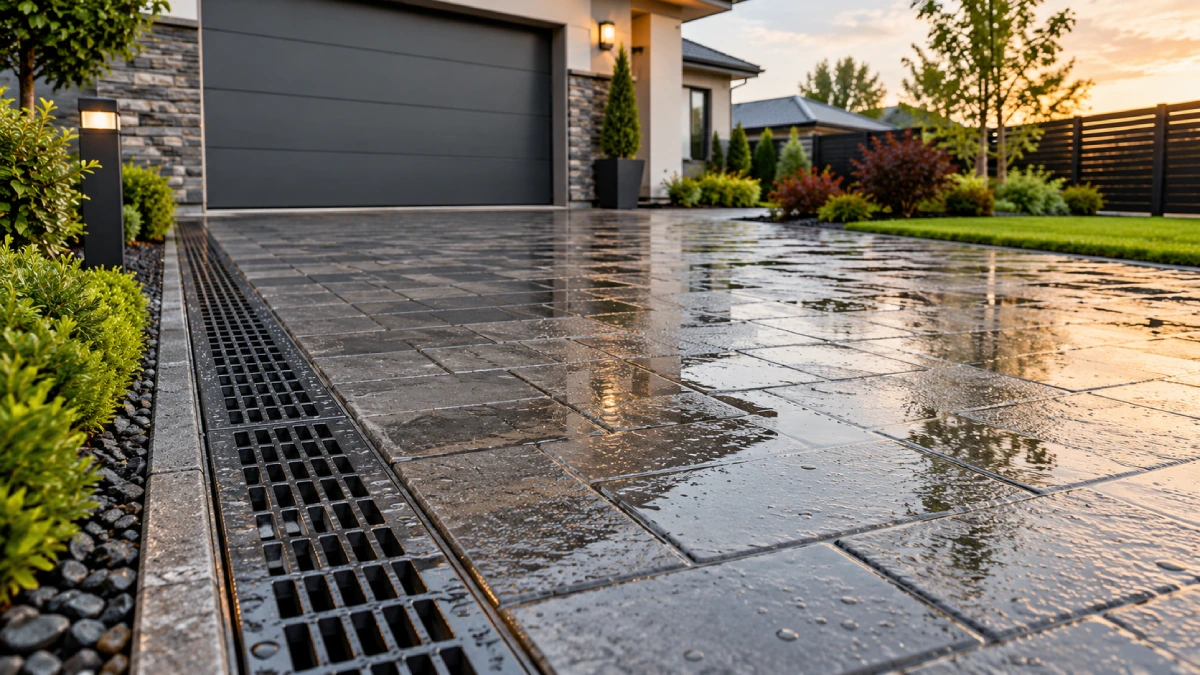
To avoid puddles forming on your driveway, you need to correct the water route. That may mean improving the surface fall, repairing sunken areas, rebuilding a weak base, adding drainage channels, choosing permeable surfacing, or replacing a surface that no longer drains correctly.
A puddle is usually a symptom, not the full problem. If water sits in the same place after every rain shower, the driveway is either too flat, damaged underneath, blocked at the outlet, or shaped in a way that traps water.
| Cause of puddles | What it usually means | Practical fix |
| Low spot in the surface | Settlement or poor levelling | Resurface or rebuild the affected area |
| Water near the house | Fall may be wrong | Regrade surface away from the building |
| Water at the entrance | Apron or road edge may trap runoff | Correct transition and drainage route |
| Puddles around cracks | Water entering weak layers | Repair cracks and assess the base |
| Muddy soft areas | Sub-base or ground is unstable | Strengthen the foundation |
| Water on block paving | Joints, bedding or falls may be failing | Clean, relay or rebuild sections |
| Water on tarmac | Surface may have dipped or aged | Patch, overlay or resurface correctly |
Total Surfacing Solutions looks at the whole driveway system before recommending a repair. A simple surface patch may hide the puddle for a short time, but the water will return if the base, levels, and drainage are not corrected.
Check The Driveway Fall First
The fall of the driveway is the direction and angle that moves rainwater away from the surface. If the driveway is too flat, slopes toward the house, or has uneven dips, puddles can form even when the material itself is still in reasonable condition.
A good driveway should guide water toward a safe drainage point, garden area, channel, or permeable section. It should not send water into the garage, front door, public footpath, or neighbouring property.
For sloped or uneven surfaces, the driveway gradient planning method can help explain why levels, transitions, and runoff direction matter. Total Surfacing Solutions checks these falls before recommending resin-bound surfacing, tarmac, asphalt, or block paving.
If the driveway was installed without proper level control, fixing puddles may require more than cleaning or patching. The surface may need reshaping so water has a clear path to leave.
Use Resin-Bound Surfacing For Better Drainage
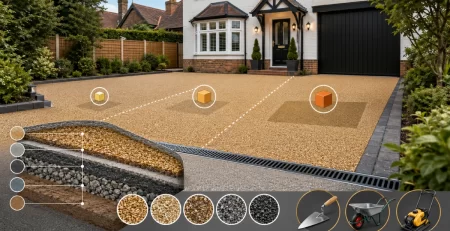
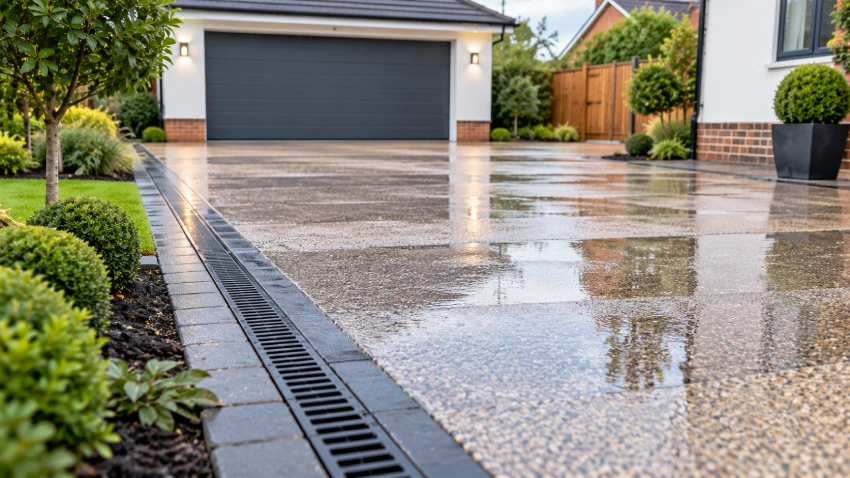
Resin-bound surfacing is often one of the best options for avoiding driveway puddles because it can allow water to pass through the surface when installed over a suitable base. This helps reduce standing water compared with surfaces that simply push rainfall sideways.
The important detail is the full system. A resin-bound surface needs the right base, edge detail, depth, and drainage route. If the base underneath is blocked, compacted incorrectly, or unsuitable, the driveway may still hold water.
Total Surfacing Solutions installs resin driveways in hertfordshire for homes that need a clean, modern surface with practical drainage potential. Where water management is the main concern, permeable resin bound surfacing can be considered as part of a full driveway redesign.
The resin-bound drainage behaviour is useful for understanding why permeability depends on both the top layer and the structure underneath it.
Repair Sunken Areas Before They Spread
Sunken driveway areas are a common reason puddles keep coming back. A dip in the surface catches water, then that water can soften the layers below and make the depression worse.
This problem can happen on resin-bound driveways, tarmacadam, asphalt, block paving, and concrete-style surfaces. The surface material may look like the issue, but the deeper cause is often a weak, washed-out, or poorly compacted base.
The sunken driveway repair signs can help homeowners understand when a low patch is more than cosmetic. If the surface is also cracking, rocking, or breaking at the edges, the base should be checked before resurfacing.
Total Surfacing Solutions can assess whether the low area needs a local repair, deeper base correction, or a full resurfacing plan. Repairing the dip properly is the only way to stop the same puddle forming again.
Stop Erosion Around Driveway Edges
Driveway erosion often starts at the edges, especially where water runs along a border, down a slope, or across loose ground. Once the edge weakens, the surface can break away and create low areas where water collects.
Erosion can also pull soil or sub-base material out from beneath the driveway. This creates voids, movement, and settlement, which then leads to puddles, cracks, and surface failure.
The driveway edge erosion patterns explain why small washed-out areas should not be ignored. Total Surfacing Solutions can use edging, brickwork, surface repairs, drainage improvements, or resurfacing to protect vulnerable areas.
Strong edges are especially important for resin-bound surfacing and tarmac driveways. Without proper support, water and vehicle movement can damage the sides of the surface over time.
Fix Muddy Areas Before Resurfacing
A muddy driveway usually means the surface is not stable enough to drain or support regular traffic. Adding more loose material may hide the mud for a while, but it rarely solves the drainage or base problem.
Muddy areas often appear where water cannot escape, the ground is soft, or the sub-base has broken down. If a new surface is installed over that weakness, puddles and movement can return quickly.
The muddy driveway stabilisation steps and all-weather muddy driveway repair are useful if the driveway feels soft, messy, or unstable after rain.
Total Surfacing Solutions can inspect whether the muddy area needs excavation, stronger sub-base material, drainage correction, or a different surfacing system. A dry-looking top layer is not enough if the ground underneath still holds water.
Check For Hidden Water Leaks
Sometimes driveway puddles are not caused by rain alone. If water appears during dry weather, returns quickly after cleaning, or forms in one strange location, there may be a leak beneath or beside the driveway.
A hidden water leak can soften the base, create settlement, encourage cracks, and make the surface fail faster. It can also be mistaken for poor drainage if the source is not checked properly.
The under-driveway leak indicators can help homeowners decide whether the issue is rainfall, runoff, or a possible underground leak. Total Surfacing Solutions can then advise whether the driveway should be repaired after the source of water is resolved.
Resurfacing before fixing a leak is risky. The new surface may look good at first, but the same water movement can damage it from below.
Use Tarmac Surfacing With Proper Drainage
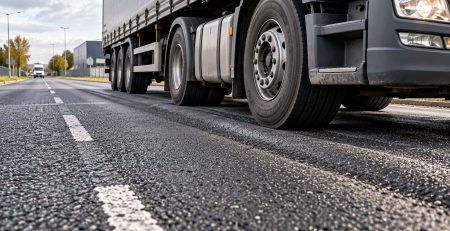
Tarmac is a practical driveway surface when it is installed with the correct falls, compaction, and drainage details. It is durable, clean, and suitable for regular vehicle use, but it should not be laid in a way that traps water.
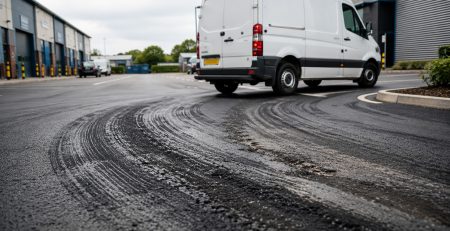
Puddles on tarmac often appear when the surface has dipped, the base has moved, or the driveway was not shaped correctly during installation. Low spots can also develop where vehicles turn or park in the same place every day.
Total Surfacing Solutions provides tarmac surfacing in hertfordshire where homeowners or commercial clients need a hard-wearing surface with practical drainage planning. The tarmac resurfacing decision points can help explain when an existing tarmac driveway can be overlaid and when deeper correction is needed.
A tarmac driveway should be shaped before the final surface is installed. Once the wearing course is down, correcting poor falls becomes more difficult.
Block Paving And Puddle Prevention
Block paving can manage water well when it is installed with the correct sub-base, joints, edge restraints, and drainage route. It can also be repaired in sections, which is useful if puddles form because a local area has sunk.
The problem comes when the bedding layer settles, joints lose material, or the base becomes uneven. Water then collects between blocks or sits in low patches after rainfall.
A block paving driveway hertfordshire can be a good option where the property needs a traditional finish with clear edging and repairable sections. For base planning, the paver foundation support guide explains why what sits under the blocks matters as much as the visible surface.
If block paving already has puddles, simply sweeping more sand into the joints may not solve the problem. The low area may need lifting, re-levelling, and compacting before the blocks are relaid.
Driveway Culverts And Water Movement
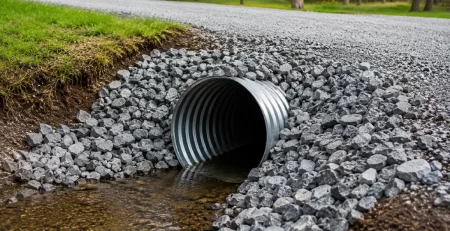
A driveway culvert can be relevant where water needs to pass under an entrance, access track, or driveway crossing. Without a clear route, water can back up and spread across the surface.
Culverts are more common in rural, sloped, or drainage-sensitive sites, but the principle applies to all driveways: water must have somewhere controlled to go.
The driveway culvert function is useful if water collects near the entrance or appears to be crossing the driveway from one side to another. Total Surfacing Solutions can assess whether the issue is surface fall, edge drainage, or a wider water movement problem.
Where water repeatedly travels across a driveway, the solution may involve drainage channels, reshaping, stronger edges, or a more suitable surface build-up.
Concrete And Existing Base Problems
Many driveway puddles come from older concrete bases, cracked hardstanding, or previous surfaces that were never designed for the new finish. If water sits on an old base, resurfacing over it can trap the same problem.
Resin-bound surfacing can sometimes be laid over concrete if the existing base is stable, clean, suitable, and correctly prepared. However, cracks, movement, poor falls, and moisture problems need to be dealt with first.
The concrete overlay suitability checks are helpful before deciding whether to resurface over an existing base. The concrete resurfacing cost stages can also help if the current driveway is hardstanding but uneven or worn.
Total Surfacing Solutions will not treat a weak base as a shortcut. A new surface is only as reliable as the structure beneath it.
Cracks, Potholes And Surface Breaks
Cracks and potholes allow water to enter the driveway structure. Once water gets into the base, it can soften the layers underneath, widen the damage, and create more puddles.
Small cracks may look harmless at first, but they can become drainage points for the wrong reason. Instead of water leaving the driveway safely, it enters the surface and damages it from inside.
The driveway crack spread timeline and quick residential repair steps are useful when damage is visible but not yet widespread.
Total Surfacing Solutions can inspect whether cracks need sealing, patching, resurfacing, or deeper base repairs. The right repair depends on whether the driveway is resin-bound, tarmac, asphalt, block paving, concrete, or another surface.
Low Maintenance Driveway Choices
A low-maintenance driveway should reduce the chance of standing water, loose material, frequent cleaning, weeds, and surface movement. That is why the surfacing choice matters when trying to avoid puddles.
Resin-bound surfacing is often suitable for homeowners who want a modern finish with fewer joints and strong drainage potential. Tarmac can be practical for larger or heavier-use areas. Block paving can work well when installed properly, but it usually needs more joint maintenance.
Total Surfacing Solutions can advise on a low maintenance driveway where the aim is to reduce puddles, cleaning demands, and avoidable repairs. A low-maintenance surface should still be checked occasionally so leaves, silt, and blocked channels do not create new water problems.
The best low-maintenance driveway is not just easy to clean. It is built so water moves correctly from the beginning.
Custom Resin Finishes For Drainage And Kerb Appeal
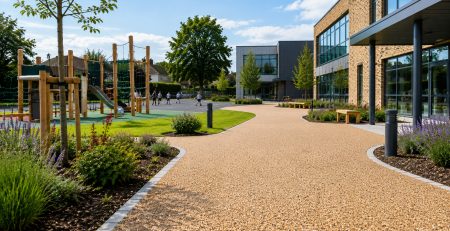
A drainage-led driveway can still look attractive. Custom resin finishes allow homeowners to choose aggregate colours, borders, and surface tones while keeping the practical benefits of resin-bound surfacing.
This is useful when puddle prevention and kerb appeal are both important. The driveway can be designed to suit the property style while still managing rainwater, vehicle use, and access routes.
Total Surfacing Solutions offers custom resin driveways for clients who want a practical surface with a tailored appearance. A lighter or mixed aggregate finish can help modernise the entrance without relying on loose gravel or high-maintenance paving joints.
The final design should always follow the drainage plan. Colour and finish matter, but the surface level, base, and water route matter more.
Commercial Surfacing And Car Park Puddles
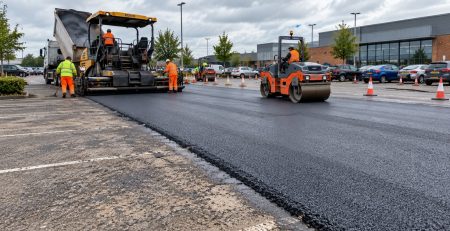
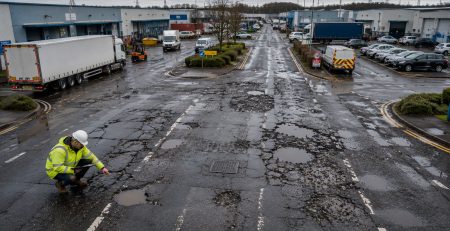
Puddles in commercial car parks and access roads can create bigger problems than residential driveway puddles. Standing water can hide potholes, reduce visibility, damage markings, and make pedestrian routes less safe.
Commercial surfaces usually need a stronger design because they handle more vehicles, turning, braking, and foot traffic. Drainage, resurfacing, repairs, and line marking should be planned together.
Total Surfacing Solutions provides line marking services in Hertfordshire for commercial sites where clear bays, pedestrian routes, and traffic flow matter after surfacing work. The sustainable surfacing drainage options can also help site owners compare materials where water management is a priority.
For commercial sites, puddles should not be treated as cosmetic. They often point to surface failure, poor falls, or drainage capacity issues.
Fast Installation Without Drainage Shortcuts
Fast driveway installation is useful, but drainage should never be rushed. If puddles are already forming, the cause should be found before a new layer is installed.
A quick overlay can make the driveway look better for a short time, but it may not correct low spots, soft base areas, trapped water, or edge failure. Good preparation is what keeps puddles from returning.
Total Surfacing Solutions provides driveway installation hertford for homeowners who need an efficient installation process without ignoring the important details. That process may include surface removal, base correction, drainage planning, edging, and the right final material.
For resin-bound surfaces, the resin driveway groundwork sequence helps show why preparation matters before the decorative finish is applied.
How Do I Avoid Puddles Forming On My Driveway? Area Coverage
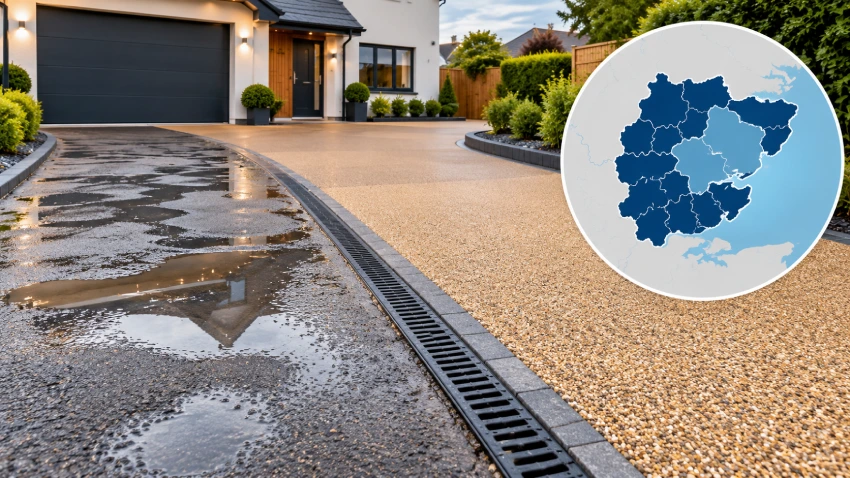
Local driveway conditions matter because slopes, soil type, road edges, property layouts, and drainage routes vary from area to area. Total Surfacing Solutions works across Hertfordshire and surrounding counties, helping homeowners and commercial clients reduce puddles through practical surface design, base preparation, and drainage-led installation.
How Do I Avoid Puddles Forming On My Driveway? In Bedfordshire
Bedfordshire homeowners dealing with driveway puddles should start by checking surface levels, soft areas, and where rainwater moves after a storm. Total Surfacing Solutions can compare resin-bound surfacing, tarmac, block paving, and drainage-led repairs so the driveway performs better in wet weather.
How Do I Avoid Puddles Forming On My Driveway? In Oxford
Oxford driveway projects can involve older surfaces, narrow entrances, and front gardens where drainage needs careful planning. Total Surfacing Solutions can assess whether puddles are caused by poor falls, base settlement, blocked drainage, or an unsuitable surface finish.
How Do I Avoid Puddles Forming On My Driveway? In Cambridgeshire
Cambridgeshire homes and small commercial sites may need driveway surfacing that controls standing water before it damages the base. Total Surfacing Solutions can recommend resin-bound surfacing, tarmac, block paving, or repair work depending on the existing driveway condition.
Driveway Puddle Prevention In Essex
Essex homeowners can reduce driveway puddles by choosing a surface and base that manage rainwater properly. Total Surfacing Solutions can assess whether a resin-bound driveway is suitable where the property needs a smooth, modern surface with better drainage behaviour.
Driveway Drainage Surfacing In Essex
Essex driveway projects may need resurfacing, reshaping, edging, or drainage correction to stop water collecting. Total Surfacing Solutions can inspect the surface and recommend a practical driveway solution based on levels, vehicle use, and water movement.
Driveway Puddle Repairs In Essex
Essex driveway repairs may be needed when cracks, potholes, or sunken areas allow water to collect. Total Surfacing Solutions can identify whether the problem needs localised repair, resurfacing, or deeper base correction.
Tarmac Drainage Solutions In Essex
Essex machine lay tarmac can be useful for larger driveways, access roads, and commercial areas where consistent levels help reduce puddles. Total Surfacing Solutions can plan tarmac surfacing around drainage, traffic use, and long-term durability.
How Do I Avoid Puddles Forming On My Driveway? In Hertfordshire
Hertfordshire homeowners can avoid driveway puddles by fixing levels, base weaknesses, and drainage routes before resurfacing. Based in Hertford, Total Surfacing Solutions can recommend resin-bound surfacing, tarmac, block paving, or repairs depending on the site.
Driveway Drainage Surfacing In Hertfordshire
Hertfordshire driveway projects may involve resurfacing, widening, edging, or drainage improvements. Total Surfacing Solutions can help property owners choose a surface that reduces standing water while still matching the home’s appearance and daily use.
Driveway Puddle Repairs In Hertfordshire
Hertfordshire driveway puddle repairs may be needed when dips, broken edges, or potholes hold water after rain. Total Surfacing Solutions can assess whether the defect is in the surface, the base, the drainage route, or the surrounding levels.
Tarmac Drainage Solutions In Hertfordshire
Hertfordshire machine lay tarmac is suitable for larger surfaces where level control and durability matter. Total Surfacing Solutions can support driveways, access roads, and commercial surfacing projects that need stronger drainage planning and consistent finish quality.
Final Answer: How Do I Avoid Puddles Forming On My Driveway?
To avoid puddles forming on your driveway, fix the cause of the water problem rather than only treating the surface. Check the driveway fall, low spots, cracks, weak edges, muddy areas, blocked drainage, and base condition before choosing any repair.
For many homes, resin driveways in hertfordshire are a strong option because resin-bound surfacing can support a smooth, low-maintenance, drainage-conscious finish when installed correctly. Tarmac, block paving, and asphalt can also work well when the levels, base, and drainage route are properly designed.
Total Surfacing Solutions can inspect the existing driveway and recommend the right route, whether that means drainage correction, resurfacing, base repair, resin-bound surfacing, tarmac installation, or a more complete driveway rebuild. The best solution is the one that gives rainwater a clear, controlled path every time.
FAQs
How Do I Avoid Puddles Forming On My Driveway?
You avoid puddles by correcting the surface levels, drainage route, base condition, and material choice. Puddles usually form because water has nowhere to go or because the driveway has sunk in certain areas. A proper fix may involve regrading, repairing low spots, adding drainage, improving the sub-base, or replacing the surface with a better-draining option.
Why does my driveway keep getting puddles?
Your driveway may keep getting puddles because the surface is too flat, the fall is wrong, the base has settled, drains are blocked, or cracks are allowing water into the structure. If the same area holds water after every rainfall, there is usually a level or base problem beneath the visible surface.
Is resin-bound surfacing good for stopping puddles?
Resin-bound surfacing can help reduce puddles when it is installed over a suitable permeable base and designed with correct drainage. It allows water to pass through the surface instead of sitting on top. However, the full driveway build-up matters. A poor base or blocked drainage route can still cause water problems even with a resin-bound finish.
Can tarmac driveways get puddles?
Yes, tarmac driveways can get puddles if the surface has low spots, poor falls, weak base areas, or drainage problems. Tarmac is durable, but it needs correct levelling and water management. If puddles form on tarmac, the driveway may need patching, resurfacing, or base correction depending on the depth and cause of the dip.
Can block paving stop driveway puddles?
Block paving can help manage water when it is installed with the right base, joints, edge restraints, and drainage design. If blocks sink or the bedding layer moves, puddles can form in low sections. In some cases, the affected area can be lifted, re-levelled, compacted, and relaid to restore the surface.
Should I repair or replace a driveway with puddles?
Repair may be enough if the puddle is caused by one localised dip, crack, or blocked drainage point. Replacement may be better if the driveway has widespread settlement, weak base layers, repeated potholes, or poor overall falls. A site inspection should check whether the water problem is surface-level or structural.
Are driveway puddles a serious problem?
Driveway puddles can become serious if they keep returning. Standing water can soften the base, increase cracking, encourage algae, damage edges, and make the surface slippery. Puddles can also hide potholes or indicate deeper movement below the surface. Fixing the cause early is usually cheaper than waiting for wider surface failure.
What is the best surface to avoid driveway puddles?
The best surface depends on the property, but resin-bound surfacing is often a strong option for residential driveways because it can be permeable when installed correctly. Tarmac is practical for durable surfaces with proper falls, while block paving can work when the base and joints are designed well. The most important factor is not just the surface, but the drainage design underneath it.