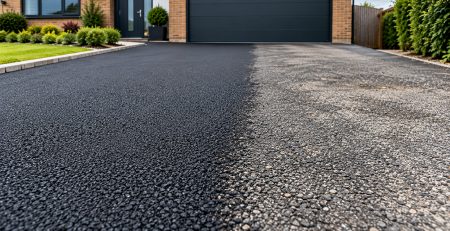
Can Resin Driveways Be Laid In The Rain?
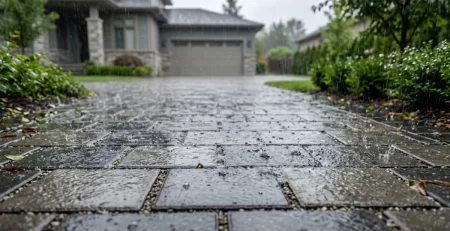
Can Resin Driveways Be Laid In The Rain? No, resin-bound driveways should not normally be installed during rainfall or when the base and aggregates are wet. Moisture can interfere with the resin binder, causing foaming, cloudy patches, poor adhesion, and weaker aggregate bonding. Even light rain, condensation, or moisture trapped in an existing driveway can affect the finished surface. Although properly cured resin-bound surfacing is suitable for normal British rainfall, installation requires controlled conditions to achieve the intended strength, appearance, and durability.
Total Surfacing Solutions provides residential and commercial resin-bound driveway installation across Hertford, Hertfordshire, Bedfordshire, Oxford, Cambridgeshire, and Essex. The company focuses on substrate assessment, groundwork preparation, drainage design, suitable materials, and installation planning.Whether a property needs a new resin driveway, an existing surface upgraded, or a low-maintenance surfacing option, Total Surfacing Solutions helps homeowners choose a practical installation approach that accounts for weather conditions and long-term use.
Quick Check: If rain is expected during your driveway project, Total Surfacing Solutions can assess the existing base, drainage requirements, and installation conditions through its weather-conscious driveway installation and surfacing options. A proper site assessment helps establish whether groundwork can continue or the final resin-bound layer should be scheduled for more suitable weather.
Can Resin Driveways Be Laid In The Rain Safely?
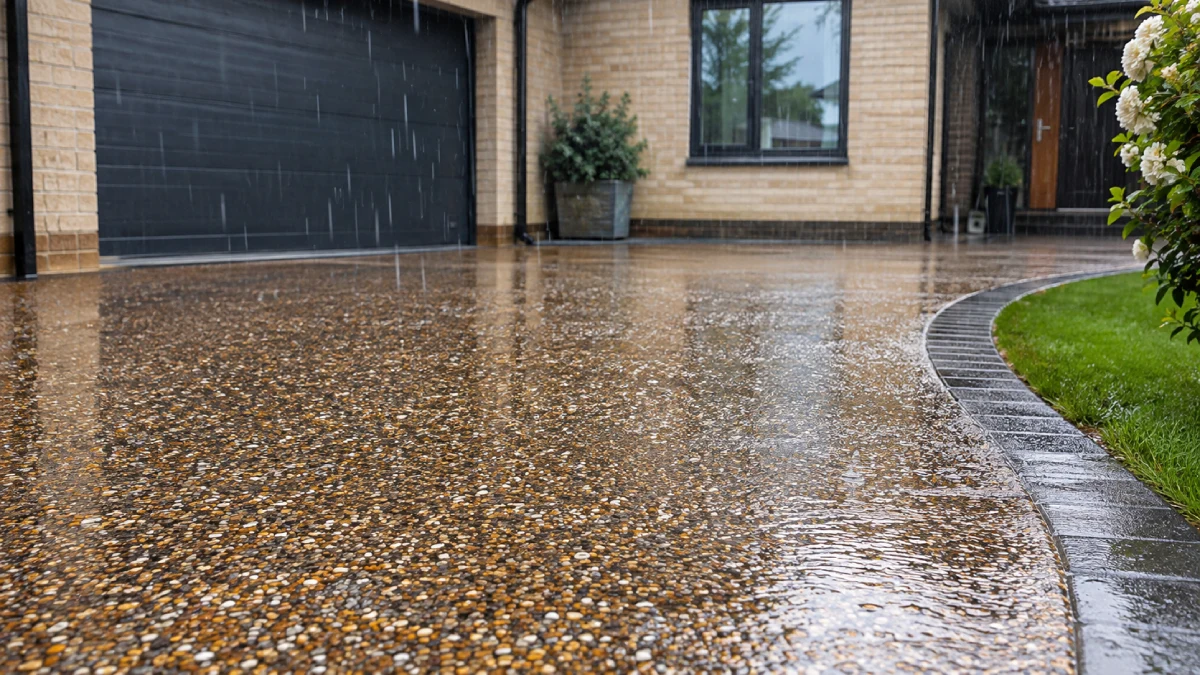
Resin-bound driveways require suitable dry conditions because the installation process involves mixing decorative aggregates with a specialist resin binder. Once combined, the mixture is spread and trowelled across a prepared surface before being allowed to cure. During these stages, unwanted moisture can affect how the resin coats the stone, bonds to the substrate, and hardens into a stable driveway finish.
Many resin-bound systems use polyurethane-based binders that are sensitive to moisture during installation. If rainwater reaches the mixture before curing, it can cause an unwanted reaction that produces bubbles or foam. The surface may become cloudy, uneven, or structurally weaker.
For this reason, installation should not begin simply because rainfall has temporarily stopped; the base, aggregates, humidity, temperature, and forecast must all be suitable.
| Installation condition | Potential problem | Suitable response |
| Heavy rain | Resin contamination and significant surface defects | Postpone installation |
| Light rain | Moisture-related bonding problems | Do not lay exposed resin |
| Damp aggregate | Foaming and inconsistent resin coating | Use dry, suitable aggregate |
| Wet concrete or tarmac | Reduced adhesion to the substrate | Allow the base to reach the required condition |
| High humidity | Greater risk of condensation | Check the resin manufacturer’s limits |
| Morning dew | Moisture collecting on the substrate | Inspect surface temperature and dew point |
| Suitable dry conditions | More controlled laying and curing | Proceed after preparation checks |
The key distinction is that a resin-bound driveway can manage rainwater after curing, but fresh resin must be protected from moisture during installation. Total Surfacing Solutions considers this difference when planning new domestic driveways, shared access areas, and commercial surfacing projects.
Why Rain Can Damage Fresh Resin-Bound Surfacing
Rain affects resin-bound surfacing primarily through the interaction between moisture and the uncured binder. Depending on the formulation, water may cause chemical reactions, interfere with adhesion, or change the appearance of the finished surface. The severity depends on how much moisture is present and whether the resin has already started to cure.
Foaming And Air Bubbles
Certain polyurethane resin components can react with moisture and generate gas. When this occurs within the mixture, bubbles or foaming may appear between the aggregate particles. The result can be an uneven surface that does not have the intended consistent finish or strength.
Foaming may be visible during installation or become more apparent as the surface cures. Once the material has reacted incorrectly, simply smoothing it again may not restore its original properties. Avoiding wet aggregate and damp substrates is therefore more reliable than attempting to repair moisture-related defects afterwards.
Cloudy Or Milky Resin
Moisture contamination can also contribute to pale, cloudy, or milky patches within the finished resin. These changes may be especially noticeable on darker stone blends, where variations in the binder are easier to see.
However, cloudy patches are not always caused by rain. Incorrect mixing, unsuitable materials, or contamination may create similar symptoms. The surface should be assessed before deciding whether a localised repair or replacement is necessary.
Weak Aggregate Bonding
The resin binder holds the decorative aggregate together and secures the completed layer to the prepared base. When moisture interferes with this process, the surface may lose stones, develop weak patches, or show premature deterioration.
The resin-bound aggregate bonding and installation defects explain how preparation errors and unsuitable installation conditions contribute to surface failure. Total Surfacing Solutions addresses these risks through site assessment, appropriate groundwork, and material-specific installation planning.
How Total Surfacing Solutions Prepares Resin Driveways
Proper preparation is central to the resin-bound driveway services offered by Total Surfacing Solutions. The objective is to establish a stable, suitably dry foundation that supports the aggregate finish and manages water appropriately once the driveway is in use.
Preparation begins with inspecting the existing surface for structural movement, cracks, uneven levels, contamination, and standing water. A driveway that repeatedly holds rainwater may require drainage correction or base reconstruction before resin-bound surfacing is suitable. Installing a decorative layer over an unstable or poorly drained base can leave underlying problems unresolved.
Assessing Existing Tarmac And Asphalt
A structurally sound tarmac or asphalt surface may be suitable for a resin-bound overlay when it meets the selected system’s requirements. The condition of the existing material matters because cracks, movement, and trapped moisture can compromise adhesion and long-term performance.
Total Surfacing Solutions can assess whether the existing surface can be retained or whether preparation and repairs are necessary. If rain has recently fallen, the base should be checked rather than assuming that a dry-looking surface is ready for resin.
Preparing Concrete Bases
Concrete may provide a suitable foundation for resin-bound surfacing, but its condition, moisture content, and drainage arrangement need careful consideration. Conventional concrete is normally impermeable, so laying a permeable resin-bound surface over it does not automatically create a fully permeable driveway system.
The concrete substrate requirements for resin installation explain why preparation and compatibility matter. Total Surfacing Solutions can assess whether existing concrete is suitable or whether alternative groundwork would provide a better foundation.
Preparing A New Driveway Base
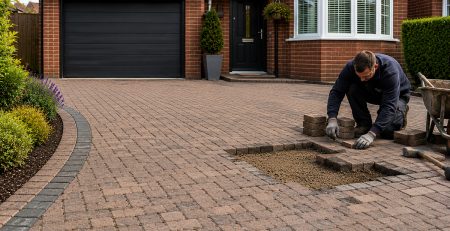
A newly constructed base must be stable, appropriately prepared, and suitable for the proposed resin system. Excavation, sub-base construction, drainage, edging, and surface levels all influence the finished driveway.
The resin driveway base preparation sequence provides further information about the groundwork involved. Completing these stages correctly helps prevent avoidable installation defects and supports the finished surface throughout regular vehicle use.
How Long After Rain Can Resin Driveways Be Laid?
There is no universal waiting period after rainfall because drying depends on the substrate, temperature, humidity, shade, airflow, and drainage conditions. Concrete may retain moisture differently from tarmac, while shaded entrances or areas with low spots can remain damp long after exposed sections appear dry.
Installers should assess the actual surface condition rather than relying on a fixed number of hours. The selected resin system may also specify limits for substrate moisture, relative humidity, surface temperature, and the risk of rainfall during curing. These requirements should determine when installation can proceed.
For homeowners arranging resin driveways in Hertford, Hertfordshire, Total Surfacing Solutions can consider the existing base, drainage performance, and practical installation sequence. Where rain has delayed work, preparation may need to be reassessed before the final resin-bound mixture is laid.
Temperature, Humidity And Resin Installation
Rainfall is not the only weather factor that affects resin-bound surfacing. Humidity, temperature, and condensation can influence the installation even when the forecast appears dry. An experienced installation approach considers these conditions together rather than treating the absence of rain as the only requirement.
Surface Temperature And Dew Point
The driveway surface can be colder than the surrounding air, particularly in shaded areas or after a cold night. When the substrate temperature approaches the dew point, moisture can condense onto the surface even without rainfall.
Some resin manufacturers require the surface temperature to remain a specified margin above the dew point. This condition should be checked using appropriate equipment and the selected product’s technical guidance. Installing resin over condensation may create adhesion and curing problems similar to those caused by rain.
High Humidity
High humidity can increase the likelihood of unwanted moisture exposure during laying. Some resin-bound systems specify a permissible relative humidity range, so the installer should check the selected formulation rather than apply a universal limit.
Total Surfacing Solutions can account for the forecast and site conditions when arranging resin-bound installations. This is particularly important where the driveway is shaded, surrounded by walls, or slow to dry after rainfall.
Cold And Hot Weather
Low temperatures can affect resin flow and curing, while excessive heat can shorten the time available for mixing and trowelling. Both conditions can make installation more difficult if the system is not suitable for the prevailing weather.
A dry winter day is not automatically an appropriate installation day, just as a hot summer afternoon is not always ideal. The manufacturer’s approved conditions must guide the decision.
What Happens If Rain Starts During Installation?
Unexpected rainfall can interrupt a resin-bound driveway installation after the materials have already been prepared. The response depends on the stage of work, whether the aggregate has been mixed with resin, and how much of the surface has been completed.
If rainfall begins before mixing, work should normally be postponed and the aggregates kept dry. If rain starts during trowelling, continuing across wet material or a damp base can create inconsistent sections and compromise the finish. The installer should protect materials where appropriate and follow the resin manufacturer’s instructions.
Rainfall during early curing can also affect a completed section before it has developed adequate resistance. Temporary coverings may help in some circumstances, but they must not touch the uncured resin or trap condensation against the surface. Such protection is a contingency rather than a substitute for suitable installation weather.
The resin-bound mixing, laying and finishing process explains why careful sequencing matters. Total Surfacing Solutions approaches installation scheduling with the aim of reducing avoidable interruptions and protecting the completed surface during its vulnerable curing period.
How Long Does Resin-Bound Surfacing Take To Cure?
Resin-bound surfacing needs time to develop its intended strength after installation, and the required curing period varies according to the binder formulation, temperature, humidity, and intended traffic. A newly laid driveway may look complete before it is ready to withstand regular use. Walking or driving on the surface too early can damage the finish, disturb the aggregate, or leave marks that are difficult to correct.
Some resin systems permit pedestrian access before vehicle traffic, but homeowners should not rely on a universal curing time. The installer must follow the manufacturer’s specification and confirm when the driveway can safely reopen. For a residential project, this may mean arranging temporary parking elsewhere, while a commercial site may require a separate pedestrian route or restricted vehicle access.
Total Surfacing Solutions considers curing requirements when planning driveway installation and explaining how the finished surface should be protected. Efficient installation does not mean immediate use; the resin still needs the appropriate curing conditions before normal traffic resumes.
Professional Resin-Bound Driveway Installation
Resin-bound installation involves more than spreading decorative stone over an existing driveway. Successful work requires the correct base, suitable aggregate, consistent resin mixing, appropriate thickness, accurate trowelling, and controlled curing conditions. Weather assessment is an essential part of this process because moisture-related defects can affect both appearance and performance.
The resin-bound installation workmanship and quality controls explain why preparation and material handling are important. Total Surfacing Solutions provides resin-bound driveway installation in Hertford for homeowners and commercial clients seeking professionally installed aggregate surfacing.
Property owners searching for resin-bound driveway installers in Hertford should consider how the proposed installation addresses drainage, base suitability, weather conditions, and curing. Total Surfacing Solutions offers a service-focused approach that connects these practical requirements with the property’s intended use, rather than treating the resin finish as an isolated decorative layer.
Permeable Resin Driveways For British Rainfall
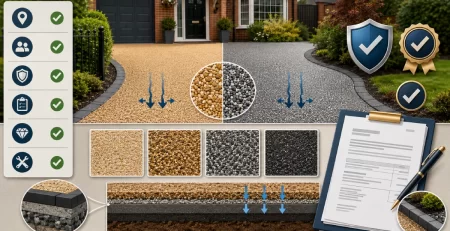
A correctly designed resin-bound driveway can allow rainwater to pass through the finished surface. The mixture contains interconnected spaces between the coated aggregates, helping water move downward rather than simply running across the top. This makes resin-bound surfacing relevant for homeowners concerned about standing water and surface drainage.
However, the performance of the entire driveway depends on the base beneath the resin. An impermeable foundation can prevent water from draining through the complete construction, even when the surface layer itself is permeable. Suitable drainage outlets, base materials, and surface levels therefore need consideration before installation.
The resin-bound permeability and sub-base relationship explains how the construction affects drainage. Homeowners comparing materials can also review the driveway surfaces for sustained heavy rainfall to understand the differences between common driveway finishes.
Total Surfacing Solutions can discuss low-maintenance and permeable surfacing options for properties where drainage, appearance, and manageable upkeep are priorities. These permeable surfacing solutions should be selected according to the actual site conditions, with the base and drainage system designed to support the finished resin-bound surface.
Fast Resin Driveway Installation Without Shortcuts
Homeowners often want driveway installation completed efficiently because resurfacing can interrupt parking and access to the property. However, resin-bound work should not be rushed into unsuitable weather. Accurate preparation and scheduling are more valuable than beginning the final layer before the substrate is ready.
Total Surfacing Solutions can plan driveway projects around groundwork requirements, material availability, site access, and suitable installation conditions. Excavation, sub-base construction, edging, and drainage preparation may be organised before the final resin-bound application, provided each stage meets its own technical requirements.
The company’s planned driveway installation service is relevant for homeowners comparing installation options and project scheduling. Customers researching driveway installation in Watford should consider the full process, including preparation, drainage, resin application, curing, and reopening.
A shorter installation programme is only useful when the finished surface still receives the preparation and protection it requires.
Can A Resin Driveway Withstand Rain After Curing?
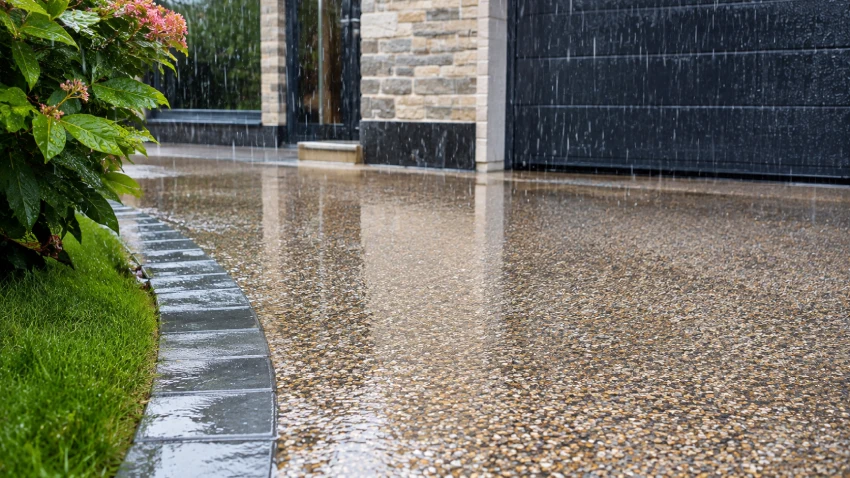
A properly cured resin-bound driveway is intended to withstand normal outdoor rainfall. The finished surface differs significantly from fresh resin during installation because the binder has already developed its hardened properties. When constructed over a suitable base, the surface can also support effective drainage.
Weather resistance does not mean that resin-bound driveways are immune to deterioration. Ground movement, damaged edging, inadequate drainage, unsuitable maintenance methods, and poor installation can still affect the surface. Over time, the appearance and condition should be monitored so early defects can be addressed appropriately.
The resin-bound performance in British weather explains how outdoor conditions influence the material. The resin aggregate ageing and colour changes provide additional context for recognising normal wear and potential defects.
Total Surfacing Solutions helps homeowners choose resin-bound surfacing with the intended vehicle use, groundwork, drainage, and maintenance requirements in mind. These factors contribute to a driveway that remains practical after installation.
Resin Driveways On Sloping Or Waterlogged Ground
Sloping driveways can present additional challenges because rainfall moves across the surface at different speeds and may concentrate near lower edges, garage entrances, or drainage outlets. Some areas can remain damp longer than others, particularly where the existing driveway has uneven levels or poor drainage.
Installing resin over an unsuitable base will not correct these underlying problems. Before laying, the driveway should be assessed for gradients, surface movement, standing water, and the route through which rainfall will leave the site. The proposed resin system must also be suitable for the slope and intended vehicle traffic.
The inclined driveway drainage and level planning explains how gradients influence groundwork. Where puddles already form, the driveway pooling and drainage diagnosis helps identify conditions that may require correction before resurfacing.
Total Surfacing Solutions can assess whether preparation, drainage improvement, or a different base construction is needed before resin-bound installation. Addressing the existing problem first is more effective than relying on the finished surface alone to manage water.
Resin-Bound Surfacing For Commercial Properties
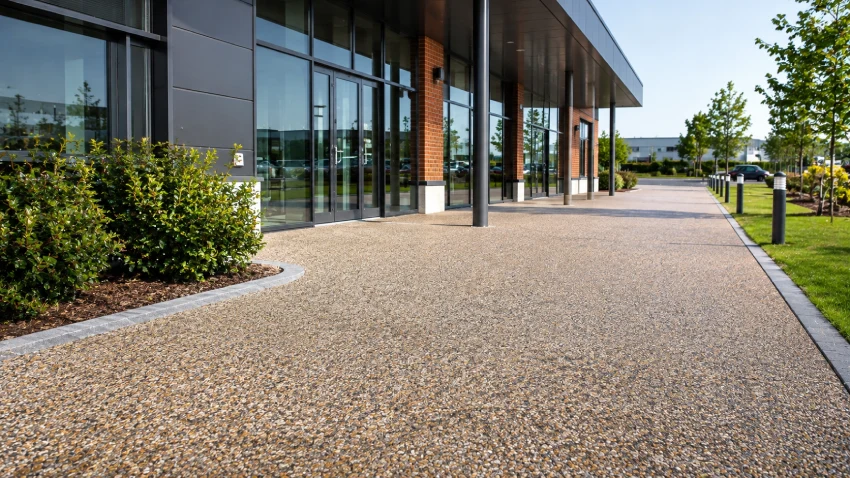
Rain-related installation risks also affect resin-bound surfacing on commercial sites. Business entrances, shared parking areas, pathways, and other frequently used surfaces may need temporary access restrictions during preparation, laying, and curing. A weather delay can therefore affect site operations as well as the installation schedule.
Total Surfacing Solutions provides commercial surfacing alongside residential driveway work. For commercial resin-bound projects, material suitability should be considered in relation to traffic volumes, pedestrian movement, vehicle loading, drainage, and the need to keep surrounding areas accessible.
It is also important to distinguish resin-bound from resin-bonded surfacing. The former involves mixing aggregate and resin before laying, while the latter typically involves applying resin to the substrate and broadcasting aggregate onto it. The resin-bonded surfacing structure for vehicle traffic explains this construction difference.
Neither system should be assumed suitable for installation in rain without specific product approval. The selected material and installation conditions must match the intended commercial application.
Can Resin Driveways Be Laid In The Rain? Area Coverage
Resin-bound installation across Hertfordshire and surrounding counties requires attention to rainfall, substrate conditions, drainage, and appropriate curing weather. Total Surfacing Solutions serves Bedfordshire, Oxford, Cambridgeshire, Essex, and Hertfordshire with resin-bound driveway services designed around each property’s access and surfacing requirements.
Can Resin Driveways Be Laid In The Rain In Bedfordshire?
Homeowners considering resin-bound driveways in Bedfordshire should ensure that the existing base, aggregates, and installation conditions are suitable after rainfall. Total Surfacing Solutions provides resin-bound surfacing for properties across Bedfordshire, including Bedford, Luton, and Dunstable.
Where an older driveway has poor drainage or retains water, the team can assess whether groundwork improvements are needed before a new resin finish is installed. Suitable preparation helps reduce the risk of moisture-related defects during the project.
Resin Driveway Rainfall Planning In Oxford
For resin-bound driveways in Oxford, moisture in an existing concrete or tarmac base can be an important consideration. Total Surfacing Solutions can assess the driveway’s condition, drainage, and surface suitability before installation. Shaded front gardens, uneven levels, and older surfacing may require additional preparation after rain.
The final resin-bound layer should only be laid when the substrate and weather meet the selected system’s requirements.
Wet-Weather Resin Installation In Cambridgeshire
Cambridgeshire homeowners planning resin-bound surfacing should allow for changes to the installation schedule if rain or unsuitable humidity affects the site. Total Surfacing Solutions works across Cambridgeshire, including Cambridge, Ely, and Huntingdon, providing residential driveway surfacing and related preparation.
Checking aggregate storage, surface moisture, and drainage before mixing helps protect the finished installation from preventable defects.
Resin-Bound Driveway Installation In Essex
Resin-bound driveways in Essex should be installed under suitable dry conditions, with attention given to aggregate moisture and substrate preparation. Total Surfacing Solutions serves Essex homeowners who want a modern driveway finish with practical drainage potential.
Where existing tarmac, concrete, or paving is damaged, the team can assess whether the base needs repair or replacement before the resin-bound surface is applied.
Can Resin Driveways Be Laid In The Rain In Hertfordshire?
For homeowners seeking resin-bound driveways in Hertfordshire, Total Surfacing Solutions provides installation services across Hertford, Watford, St Albans, Stevenage, and surrounding areas. Rainfall, overnight dew, and moisture retained in the existing base should be checked before work begins.
The company’s approach considers groundwork, drainage, and material suitability so the new driveway can be laid under conditions that support proper bonding and curing.
Why Choose Total Surfacing Solutions For Resin Driveways?
Total Surfacing Solutions focuses on the complete driveway installation process rather than the decorative resin layer alone. The existing surface must support the finished driveway, drainage needs to be considered, and the selected materials must be installed under conditions that meet the manufacturer’s requirements.
For residential properties, this means assessing parking requirements, surface levels, edging, and the condition of existing concrete or tarmac. For commercial projects, the assessment may also include vehicle loading, site access, and restrictions needed during curing. The company’s resin-bound surfacing, low-maintenance options, and installation planning can be considered according to these project requirements.
Homeowners looking for a driveway surfacing company in Hertfordshire can discuss their existing surface and proposed resin finish with Total Surfacing Solutions before work is scheduled. A clear installation specification helps distinguish essential groundwork from optional appearance choices and reduces the risk of weather-related problems.
Choose Suitable Conditions For Resin Installation
Resin-bound driveways should not normally be laid in rain because moisture can interfere with the binder, weaken aggregate bonding, and damage the finished appearance. Successful installation depends on a suitably prepared base, dry aggregate, correct mixing, appropriate weather conditions, and sufficient curing time.
Total Surfacing Solutions provides resin driveway installation for Hertford and Hertfordshire homes where homeowners need a practical surface designed around drainage, vehicle access, and manageable upkeep.
Its services can help property owners assess existing groundwork, compare resin-bound options, and plan installation around suitable conditions. Choosing the right preparation and laying window is more important than rushing the project during unsuitable weather.
FAQs About Laying Resin Driveways In Rain
Can resin driveways be laid in light rain?
No. Resin-bound driveways should not normally be installed during light rain because even limited moisture can interfere with the binder during mixing, laying, or curing. Depending on the resin system, this may cause bubbling, cloudy patches, or weaker aggregate bonding. The fact that rainfall is light does not make the conditions automatically suitable.
If rain is forecast, the installation should be assessed against the resin manufacturer’s instructions. Total Surfacing Solutions can plan the final surfacing stage around suitable weather rather than exposing freshly laid material to unnecessary risk.
How long should you wait after rain to lay resin?
There is no universal waiting period after rain because the drying time depends on the base material, temperature, airflow, shade, and drainage. A driveway may appear dry while moisture remains in cracks, porous concrete, or low spots. The selected resin system’s substrate and weather requirements should determine when work can safely proceed.
Total Surfacing Solutions can assess the existing driveway before installation, particularly where water tends to collect after rainfall. The aim is to confirm that the surface is ready rather than rely on an arbitrary number of hours.
What happens if fresh resin-bound surfacing gets wet?
Fresh resin-bound surfacing can develop bubbles, foaming, cloudy areas, or bonding problems if unwanted moisture affects the uncured binder. The severity depends on the resin formulation, amount of water, and stage of curing. Some surface defects may be cosmetic, while others can affect the strength of the aggregate layer.
If rain reaches newly laid resin, the affected area should be assessed before vehicles or pedestrians use it. Applying additional resin without identifying the damage may not provide a suitable repair.
Can resin-bound driveways be installed during winter?
Resin-bound driveways can sometimes be installed during winter when the selected material permits the prevailing conditions. However, frost, low temperatures, condensation, and frequent rainfall can make preparation and curing more difficult. A dry-looking winter day does not automatically mean that the substrate is warm or dry enough for installation.
The manufacturer’s requirements for air temperature, substrate temperature, humidity, and curing must be satisfied. Total Surfacing Solutions can consider these conditions when planning residential or commercial resin-bound work.
Can resin driveways be laid on wet concrete?
Resin-bound surfacing should not normally be applied over wet concrete because moisture can interfere with adhesion between the new resin and the substrate. Concrete must also be sound, appropriately prepared, and suitable for the selected installation system. Where the base is impermeable, a proper drainage arrangement is particularly important.
Total Surfacing Solutions can assess whether existing concrete can support a resin-bound overlay or requires further preparation. The decision should reflect the condition of the complete driveway, not only the appearance of the concrete surface.
Does humidity affect resin driveway installation?
Yes. High humidity can increase the risk of condensation and unwanted moisture during resin-bound installation. This is particularly important when the driveway surface is cooler than the surrounding air and approaches the dew point. Some manufacturers specify acceptable humidity limits and a required difference between surface temperature and dew point.
Installers should follow the technical requirements of the actual resin system rather than assume that the absence of rainfall guarantees suitable conditions. Appropriate checks help reduce moisture-related installation defects.
How long does a resin-bound driveway take to cure?
Curing time varies depending on the resin formulation, temperature, humidity, and expected traffic. A newly laid driveway may appear finished before it is strong enough for regular vehicle use. Some systems allow pedestrian access earlier than vehicle access, but the exact waiting periods should come from the manufacturer’s instructions.
Total Surfacing Solutions can explain the relevant curing requirements for the chosen installation. Homeowners should arrange alternative parking if necessary and avoid reopening the driveway before the installer confirms that it is ready.
Are resin-bound driveways suitable for heavy rainfall?
A properly designed and cured resin-bound driveway can be suitable for locations that experience regular rainfall. The finished aggregate layer may allow water to pass through it, helping reduce surface runoff when the supporting base and drainage system are appropriate. Permeability depends on the complete construction, not simply the decorative layer.
This does not mean that resin can be laid during rain. Installation conditions and the performance of the finished driveway are separate considerations, and both need to be addressed during planning.
What should homeowners do if rain is forecast during installation?
If rain is forecast during the resin-laying or vulnerable curing period, homeowners should discuss the installation schedule with the contractor before work begins. Depending on the project stage, certain groundwork tasks may be possible under suitable conditions, but the final resin layer should not be rushed onto a wet surface.
Total Surfacing Solutions can assess the driveway’s readiness, explain preparation requirements, and plan the appropriate installation stage around the selected resin system. A change in schedule is preferable to preventable surface damage.
Can resin-bound driveways be installed over existing tarmac?
Yes, certain existing tarmac surfaces can support resin-bound installation if they are structurally sound and meet the chosen system’s requirements. The existing tarmac must be assessed for movement, cracking, contamination, moisture, and drainage problems. A weak or unstable base may need repairs or replacement before a new resin layer is appropriate.
Total Surfacing Solutions can inspect the existing surface and advise whether an overlay is suitable. Preparing the base correctly helps protect the finished resin-bound driveway from problems that a decorative surface alone cannot resolve.