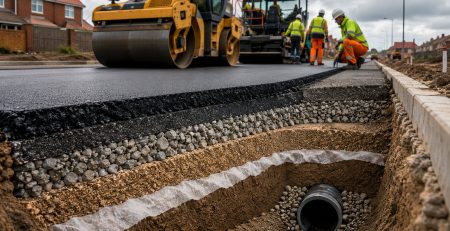
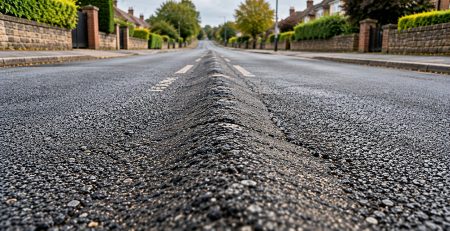
How To Get Rid Of Moss On A Driveway Permanently?
Moss on a driveway is not just a cosmetic problem. It holds moisture, makes the surface slippery, settles into joints and cracks, and usually comes back when shade, poor drainage, weak edging, or worn surfacing are still present. If you are asking How To Get Rid Of Moss On A Driveway Permanently, the honest answer is: remove the growth, correct the conditions that feed it, and choose a driveway surface that does not trap damp. Total Surfacing Solutions helps homeowners and commercial sites across Hertford and the wider region fix those root causes through practical cleaning, repair, resurfacing, drainage-aware installation, and low-maintenance surfacing choices.
Quick Check: If moss keeps returning after cleaning, Total Surfacing Solutions can assess the surface, drainage, joints, and wear through driveway services in Hertford before the problem spreads.
How To Get Rid Of Moss On A Driveway Permanently? Start Here
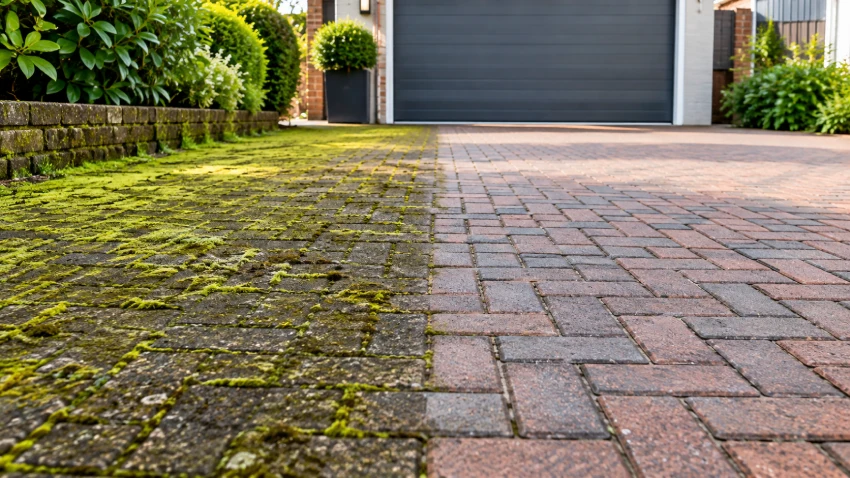
To get rid of moss permanently, you need to treat the driveway as a moisture problem first and a cleaning problem second. RHS guidance explains that algae and similar growths develop faster in wet, shady, poorly ventilated areas, and build-ups are common after wet winters.
A one-off pressure wash can clear visible moss, but it will not solve damp joints, standing water, broken tarmac, open block paving gaps, or shaded edges. Total Surfacing Solutions looks at the full driveway condition so the fix matches the surface, not just the stain.
Moss Cause And Permanent Fix Comparison
| Moss trigger on the driveway | What usually happens | Permanent prevention route |
| Poor drainage | Damp patches stay green after rain | Regrade, repair falls, or install permeable surfacing |
| Shaded edges | Moss returns beside walls, hedges, or boundaries | Improve airflow, trim overgrowth, clean edges regularly |
| Open paving joints | Spores settle in sand and debris | Clean, refill, compact, and seal where suitable |
| Cracked tarmac or asphalt | Moss roots into breaks and loose edges | Repair cracks or resurface worn sections |
| Compacted gravel or dirt | Surface stays damp and unstable | Replace with a firmer, better-draining driveway system |
| Porous dirt build-up | Organic matter feeds moss | Routine sweeping and correct surface washing |
Why Moss Keeps Returning On A Driveway
Moss returns because the surface still gives it shade, moisture, texture, and organic debris. Even after cleaning, spores can settle back into block paving joints, cracks in tarmac, rough asphalt patches, and damp resin areas if the underlying conditions remain unchanged.
This is why Total Surfacing Solutions separates surface cleaning from surface correction. On a resin driveway, the answer may be careful washing and improved maintenance; on an old tarmac driveway, it may be patch repair, resurfacing, or a new installation.
For resin surfaces, homeowners often confuse moss with weed growth or organic staining. The maintenance issues are different, so it helps to understand the resin surface weed growth basics before choosing a treatment method.
Safe Moss Removal Before Driveway Repairs
The safest way to remove moss from a driveway is to brush away loose growth first, apply a suitable hard-surface moss treatment according to the product label, allow the moss to die back, and then rinse or pressure wash carefully. Aggressive washing too close to the surface can disturb jointing sand, loosen weak edges, or expose existing defects.
For block paving, moss often sits in the joints rather than just on the surface. That is why the cleaning process should include debris removal, joint inspection, and reinstatement where the sand has washed out. For pavers, the paver surface washing workflow gives a useful maintenance reference.
For resin driveways, the approach is different because the surface is bound and should not be blasted with the same force used on concrete slabs. Owners can compare routine methods in the resin driveway cleaning process before deciding whether the issue is cleaning, drainage, or surface wear.
Pressure Washing Moss Without Damaging The Driveway
Pressure washing can remove moss quickly, but it is not always the permanent fix. On a newer, well-laid driveway, controlled washing may be fine. On older tarmac, cracked asphalt, loose block paving, or damaged resin, it can make the problem worse by opening gaps where moss returns faster.
The right method depends on nozzle type, distance, surface age, water pressure, and joint stability. The driveway washer attachment framework can help homeowners understand why equipment choice matters before they start.
Budget planning also matters because a driveway covered in moss may need treatment, cleaning, sanding, sealing, or repair rather than a simple wash. The pressure washing scope factors explain how different driveway conditions change the work involved.
Resin Bound Driveways And Moss Prevention
Resin bound driveways can reduce moss problems when they are installed on the right base with suitable drainage, clean edges, and proper maintenance. They are not “no maintenance,” but they can be easier to keep clear than broken tarmac, uneven slabs, or loose gravel.
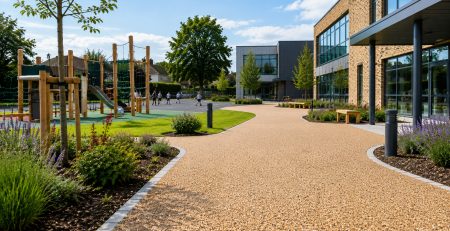
Total Surfacing Solutions installs resin systems for residential and commercial settings where clients want a clean, stable, attractive finish. For projects where drainage and year-round usability matter, resin bound surfacing contractors in Hertfordshire can help specify a surface that is easier to sweep, wash, and maintain.
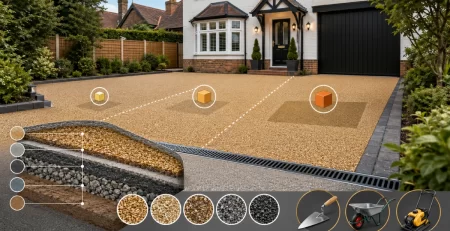
Preparation is critical. If the base holds water, moss can still become a problem around edges, shaded areas, or contaminated patches, so the resin base preparation checklist is useful before resurfacing.
Tarmacadam And Asphalt Moss Problems
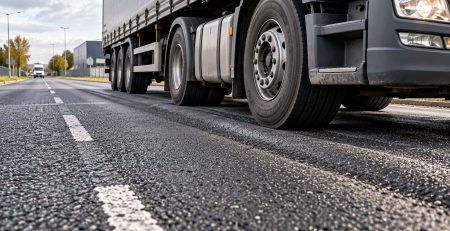
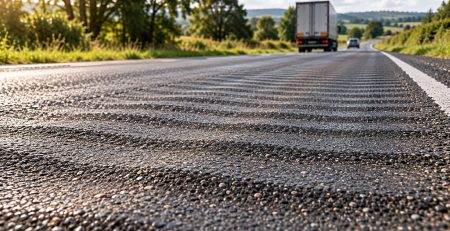
Tarmacadam and asphalt driveways often develop moss when the surface becomes open-textured, cracked, shaded, or uneven. Once small defects hold moisture, moss can root into the surface and make the driveway look older than it is.
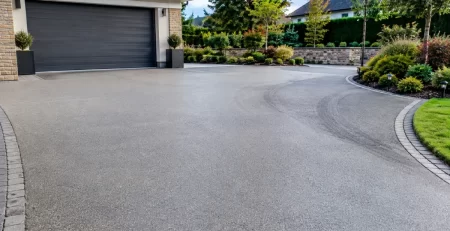
Total Surfacing Solutions installs and repairs tarmac and asphalt surfaces where cleaning alone will not solve the issue. For worn private driveways, tarmac driveways in Hertfordshire can provide a tighter, cleaner surface that resists standing debris better than patched, failing areas.
For larger access roads, yards, and car parks, road surfacing contractors in Hertfordshire can address moss-prone drainage, surface falls, potholes, and worn asphalt before they become safety issues.
Machine Laid Tarmac For Recurring Moss Areas
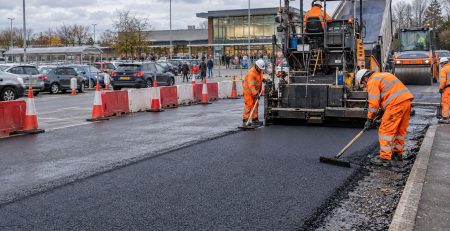
Machine laid tarmac is useful where the driveway, access road, or commercial surface needs a more consistent finish than hand-laid patching can provide. A smoother, properly compacted surface gives moss fewer open pockets to colonise.
This matters on longer private driveways, shared access roads, commercial entrances, and parking areas where water needs to move predictably. Total Surfacing Solutions can use tarmac installation in Hertfordshire where the moss problem is linked to uneven levels, failing edges, or widespread surface breakdown.
Machine installation is not needed for every driveway, but it becomes practical when the moss issue is part of a larger surfacing failure.
Potholes, Cracks, And Moss In Driveway Voids
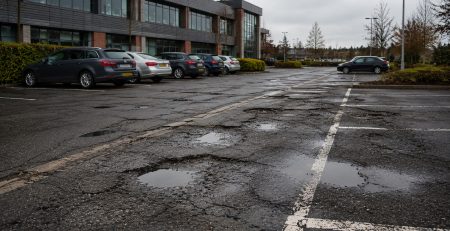
Moss loves defects. A pothole, crack, sunken patch, or broken edge collects water and organic debris, creating exactly the damp pocket moss needs. Cleaning the top of the driveway will not stop moss returning inside those voids.
If the surface is breaking apart, Total Surfacing Solutions can carry out surface repair in Hertfordshire before the defect spreads into a larger resurfacing job. Repairs are especially important on commercial car parks and access roads where standing water, vehicle movement, and moss can create slip and trip risks.
Homeowners can also use the driveway crack repair sequence to understand why early repair is better than repeated cleaning.
Block Paving Moss Control
Block paving is one of the most common surfaces for moss because the joints can collect sand, soil, and organic matter. Moss removal on block paving should focus on the joints, not just the face of the blocks.
Total Surfacing Solutions installs and restores block paving where homeowners want a defined driveway layout with strong kerb appeal. For a new or renewed surface, a block paving driveway in Hertfordshire can be designed with proper falls, edge restraints, and joint care in mind.
Sealing may also help some paver driveways resist staining and reduce debris settlement, but timing and preparation matter. The paver sealing preparation steps explain why sealing should follow correct cleaning and drying, not replace it.
Low Maintenance Surfacing For Moss Prevention
Low maintenance surfacing is often the most practical answer when a driveway keeps growing moss despite cleaning. The aim is not to create a surface that never needs care, but to reduce dirt traps, improve drainage, and make routine cleaning faster.
Total Surfacing Solutions offers low maintenance driveway in Hertfordshire options for homeowners who want a cleaner, safer, easier-to-manage entrance. This can include resin bound surfacing, well-laid tarmac, asphalt, or block paving depending on the site.
For resin surfaces, the long-term maintenance plan should include washing, debris control, and periodic inspection. The resin surface lifespan maintenance guide is useful for keeping moss, staining, and wear under control.
Driveway Drainage And SUDS Compliance
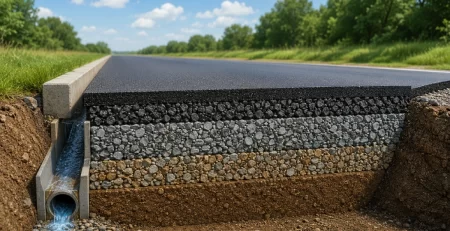
Permanent moss prevention depends heavily on drainage. If water sits on the driveway, moss will usually return. UK planning guidance says front garden paving over 5 square metres is generally permitted development only where the surface is permeable or water is directed to drain naturally, and permeable options can include porous asphalt, permeable block paving, or gravel.
This is why Total Surfacing Solutions treats SUDS compliant surfacing as a practical driveway issue, not just a planning phrase. The surface should move water away from the driveway face, reduce ponding, and suit the way the property is used.
Moss Prevention By Surface Type
| Driveway surface | Moss risk points | Best long-term control |
| Resin bound | Shaded edges, dirt build-up, poor base drainage | Sweep, wash correctly, maintain drainage outlets |
| Tarmacadam | Cracks, open texture, low spots | Repair defects, seal where suitable, resurface when worn |
| Asphalt | Potholes, ponding, commercial wear | Patch, regulate levels, renew failed areas |
| Block paving | Joint sand, weeds, settlement | Clean joints, re-sand, seal where appropriate |
| Gravel | Compaction, soil contamination, damp patches | Improve base, edge restraint, consider bound surfacing |
| Concrete | Surface staining, cracks, shaded corners | Clean, repair cracks, improve drainage falls |
Commercial Surfacing, Car Parks, And Moss
Moss on a commercial driveway, access road, or car park is more than a maintenance issue. It can affect first impressions, parking bay visibility, pedestrian safety, and surface durability.
Total Surfacing Solutions works on commercial car parks, road surfacing, pothole repairs, tarmac installation, asphalt surfacing, and line marking. Where moss has made markings unclear or the surface slippery, commercial surfacing solutions in Hertfordshire can help restore both surface function and layout clarity.
Line marking should usually come after the moss source has been dealt with. Otherwise, the same damp patches and debris can shorten the life of new markings.
Brickwork, Edges, And Outdoor Steps
Moss often starts where driveway edges meet walls, steps, boundaries, or raised brickwork. These areas hold shade and moisture, especially where soil, leaves, and debris collect.
Total Surfacing Solutions can support driveway improvements with brickwork, boundary features, hard landscaping, and step installation. Where moss has exposed loose edging or damaged hard landscaping, hard surface repair in Hertfordshire can help stabilise the surrounding structure.
Steps need particular care because moss and algae can create a slip risk. For entrances where access safety matters, complete driveway solutions in Hertfordshire can connect the driveway surface, steps, edging, and drainage into one practical design.
Fast Surfacing Installation After Moss Damage
Sometimes moss is a symptom of a driveway that has already failed. If the surface is cracked, loose, sunken, or unsafe, repeated treatment wastes time and money because the moisture pockets remain.
Total Surfacing Solutions provides driveway installation in Hertford for projects where homeowners need a clean, usable surface without unnecessary delay. Fast installation is most useful when the site has been properly assessed first, including drainage, base condition, access, and the right surfacing material.
A rushed overlay on a wet, unstable, moss-prone base will not solve the problem. A properly planned installation gives the new driveway a better chance of staying cleaner for longer.
How To Keep Moss Off A Driveway Long Term?
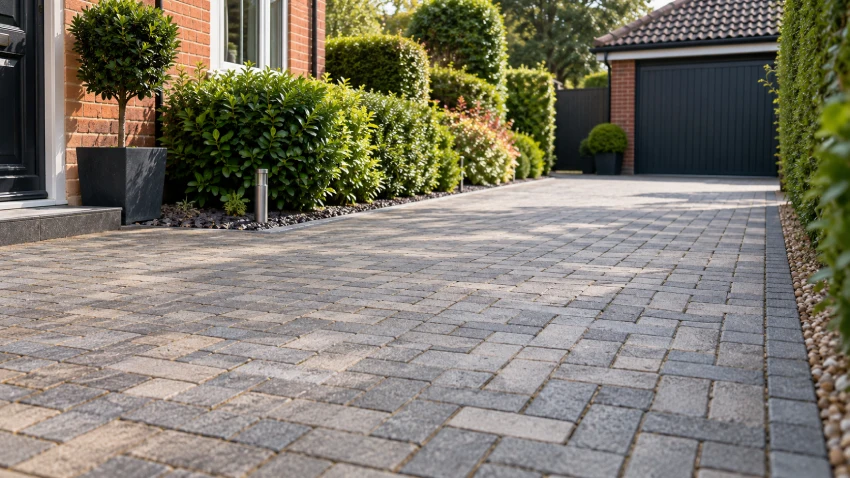
Permanent moss control is a routine, not a single treatment. Sweep leaves, remove soil build-up, keep gutters and drains clear, trim heavy shade where practical, wash the surface correctly, and repair defects before water settles in them.
For resin surfaces, sealing may be relevant in some maintenance plans, but it must suit the system and surface condition. The resin sealing method overview explains why preparation and product suitability matter.
Winter maintenance also affects moss control because damp, cold conditions can make surfaces feel less secure. The resin winter traction factors are worth reviewing for shaded or north-facing driveways.
How To Get Rid Of Moss On A Driveway Permanently? Area Coverage
Local conditions matter because moss growth is shaped by rainfall, shade, drainage, property layout, and how the driveway is used. Total Surfacing Solutions serves Hertford, Hertfordshire, Bedfordshire, Oxford, Cambridgeshire, and Essex with surfacing options that can be matched to residential entrances, commercial parking areas, access roads, and repair needs.
Bedfordshire
In Bedfordshire, homeowners dealing with recurring driveway moss often need a surface that is easier to clean and less prone to holding debris in open joints or broken patches. Total Surfacing Solutions can assess whether resin bound surfacing, tarmac, asphalt repair, or block paving is the better fit for the site, especially where shaded edges and everyday vehicle use keep the driveway damp.
Oxford
Oxford properties can include tight entrances, older boundaries, and driveway layouts where drainage needs careful planning. Total Surfacing Solutions can help replace moss-prone surfaces with resin bound options where suitable, while considering access, edging, and maintenance so the finished driveway is easier to keep clean.
Cambridgeshire
In Cambridgeshire, recurring moss on a driveway may point to poor falls, shaded corners, or a surface that has become rough enough to hold organic matter. Total Surfacing Solutions can advise on resin bound driveways, tarmac, asphalt, and repair options that reduce damp traps and create a more consistent surface.
Essex Resin Bound Driveways
For Essex homeowners considering resin bound surfacing, moss prevention starts with base preparation, correct installation, and sensible maintenance. Total Surfacing Solutions can install resin bound driveways that improve appearance, usability, and routine cleaning compared with loose or deteriorated surfaces.
Essex Driveways
Essex driveway projects can involve anything from a small residential entrance to a larger private access surface. Total Surfacing Solutions can help select the right finish for moss control, whether the issue is old block paving joints, worn tarmac, poor drainage, or a driveway that needs a full replacement.
Essex Pothole Repairs
Potholes in Essex driveways, access roads, and car parks can trap water and encourage moss around the damaged area. Total Surfacing Solutions can repair potholes before they expand, helping the surface shed water more effectively and reducing the damp pockets where moss returns.
Essex Machine Lay Tarmac
Machine lay tarmac in Essex is useful for longer driveways, commercial entrances, and access routes where consistency matters. A smoother, properly compacted tarmac finish helps limit the open texture, uneven patches, and water-holding defects that often lead to moss growth.
Hertfordshire Resin Bound Driveways
In Hertfordshire, Total Surfacing Solutions can install resin bound driveways for homeowners who want a cleaner, more modern surface with practical maintenance benefits. Where moss has been returning on gravel, cracked tarmac, or uneven paving, resin bound surfacing may provide a more stable and easier-to-clean alternative.
Hertfordshire Driveways
For Hertfordshire driveways, moss control depends on surface choice, drainage, edging, and long-term care. Total Surfacing Solutions can assess whether cleaning, repair, resurfacing, or a new installation is the right route, rather than treating moss as an isolated surface stain.
Hertfordshire Pothole Repairs
Hertfordshire pothole repairs are important when moss is growing around broken driveway sections or commercial surfacing defects. By repairing the voids where water collects, Total Surfacing Solutions helps reduce further deterioration and makes the surface easier to maintain.
Hertfordshire Machine Lay Tarmac
Machine-laid tarmac in Hertfordshire can be the right choice for driveways, access roads, and car parks that need a strong, even, practical finish. For moss-prone areas, a consistent machine-laid surface can reduce low spots and loose edges that hold water after rain.
Final Advice From Total Surfacing Solutions
If moss keeps coming back, the driveway is telling you something about moisture, shade, joints, cracks, or drainage. Total Surfacing Solutions can inspect the surface and recommend whether cleaning, repair, resin-bound surfacing, tarmac, asphalt, block paving, or a full driveway renewal is the right answer. For homeowners and commercial sites needing practical driveway services in Hertford, the goal is not just to remove moss today, but to stop the conditions that allow it to return. A better surface, correct drainage, and planned maintenance will always outperform repeated short-term cleaning.
FAQs About How To Get Rid Of Moss On A Driveway Permanently?
Can you really get rid of moss on a driveway permanently?
You can permanently reduce moss by removing the conditions that help it grow, but no outdoor driveway can be made completely immune to organic growth. Moss control depends on drainage, sunlight, airflow, surface texture, and maintenance. If the driveway stays damp, shaded, cracked, or full of debris, moss will return after cleaning. A lasting result usually needs cleaning plus repair, resurfacing, joint care, or a better-draining driveway surface.
What kills moss on a driveway fastest?
A suitable hard-surface moss treatment will usually work faster than brushing alone, especially when the growth is thick. However, the fastest visible result is not always the best long-term fix. Dead moss still needs to be removed, and the driveway should be inspected for damp joints, cracks, and standing water. Pressure washing can speed up removal, but it must be controlled so it does not damage resin, tarmac, asphalt, or block paving joints.
Does pressure washing stop moss coming back?
Pressure washing removes visible moss, but it does not stop moss coming back if the driveway remains damp, shaded, or damaged. On block paving, pressure washing can remove jointing sand, leaving gaps where moss and weeds return. On weak tarmac or asphalt, it can expose loose material. For lasting prevention, pressure washing should be combined with surface repair, drainage improvement, re-sanding, sealing where suitable, and regular sweeping.
Why does moss grow more on shaded driveways?
Moss grows more on shaded driveways because shaded areas stay damp for longer after rain, frost, or washing. Less sunlight means slower drying, and poor airflow can make the issue worse. RHS guidance links faster growth on hard surfaces with wet conditions, shade, and poor air circulation. Trimming overhanging vegetation, clearing debris, and improving drainage can make shaded driveway areas less inviting for moss.
Is resin bound surfacing better for moss control?
Resin bound surfacing can be better for moss control when it is installed correctly and maintained properly. It creates a bound surface that is usually easier to sweep and wash than loose gravel or broken paving. However, moss can still appear where dirt collects, edges stay shaded, or drainage is poor. The key is correct base preparation, suitable permeability, clean edges, and routine maintenance rather than assuming resin is completely maintenance-free.
Should I seal my driveway to prevent moss?
Sealing may help some driveway surfaces resist staining, water penetration, and debris build-up, but it is not suitable for every surface or every condition. Block paving may benefit from sealing after cleaning and re-sanding, while resin and tarmac require product-specific advice. Sealing over damp, dirty, unstable, or moss-contaminated areas can trap problems rather than solve them. Always clean, dry, repair, and prepare the surface first.
What is the best driveway surface for low moss maintenance?
The best low-moss driveway surface depends on the property, drainage, budget, access, and appearance requirements. Resin bound surfacing, well-laid tarmac, asphalt, and properly installed block paving can all perform well when the base, falls, and maintenance plan are right. A surface with fewer dirt traps, good water movement, stable edges, and easy cleaning will usually be easier to keep moss-free than a cracked, uneven, or poorly drained driveway.
When should moss mean the driveway needs resurfacing?
Moss may mean resurfacing is needed when it keeps returning in cracks, potholes, sunken areas, loose joints, or rough worn patches. If cleaning only gives a short-term improvement, the surface may be holding water because it has failed structurally. Resurfacing becomes more practical when repairs would be widespread, the driveway no longer drains properly, or the finish has become too uneven to maintain safely.