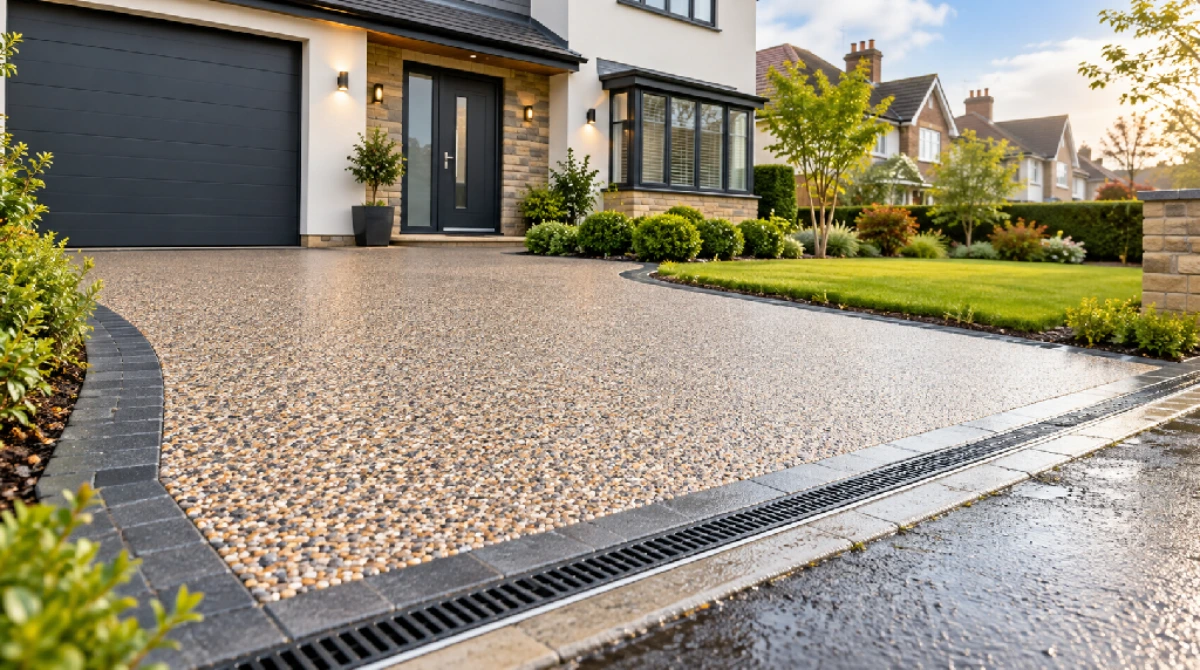
New Driveway Rule Change? What UK Homeowners Need to Know
A New Driveway Rule Change? is something many UK homeowners search for when they hear that front gardens, driveway widening, dropped kerbs, or impermeable surfacing may need permission. The key point is that the main rule is not actually new: driveway planning rules have focused on drainage and surface water runoff for years. If a front garden surface is over 5 square metres, it generally needs to be permeable or direct water to a permeable area to avoid planning permission.
Total Surfacing Solutions helps homeowners and commercial clients in Hertford, Hertfordshire, Bedfordshire, Oxford, Cambridgeshire, and Essex choose practical driveway surfaces, including resin bound surfacing, tarmacadam, asphalt, block paving, line marking, and low-maintenance surfacing.
Quick Check: If you are unsure how the New Driveway Rule Change applies to your property, Total Surfacing Solutions can assess your layout, drainage, and surface options for driveway surfacing in Hertfordshire.
New Driveway Rule Change? What It Really Means
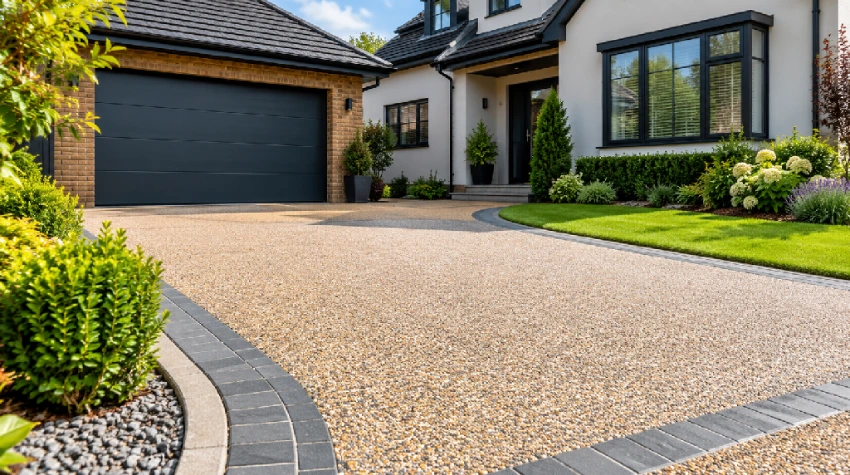
The phrase New Driveway Rule Change? usually refers to the rule that front garden hardstanding must manage rainwater properly. In England, Planning Portal says a new or replacement driveway does not usually need planning permission if it uses permeable surfacing or directs rainwater to a lawn or border; planning permission may be needed if an impermeable surface over 5 square metres does not drain to a permeable area.
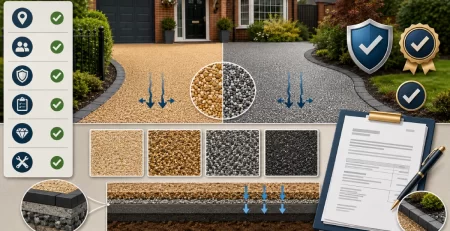
That means the issue is not just the material. The issue is where the rainwater goes after the surface is installed. A resin-bound driveway, permeable block paving, porous asphalt, gravel, or drainage-to-border layout may help meet the requirement, depending on the full design.
| Driveway situation | Permission risk | Practical response |
| Permeable driveway surface | Usually lower | Use a suitable permeable system |
| Impermeable surface over 5m² | Higher if runoff is unmanaged | Add drainage to a permeable area |
| Driveway widening | Depends on drainage and access changes | Check surface area, runoff, dropped kerb |
| New dropped kerb | Council approval usually needed | Confirm highway requirements first |
| Sloped driveway | Water runoff risk increases | Plan drainage, grip, edging and base |
| Commercial car park | Different planning/site duties may apply | Design drainage, markings and surfacing together |
Total Surfacing Solutions looks at these details before recommending a surface. The right driveway is not only the one that looks good; it also needs to manage water, vehicle use, access, and long-term maintenance.
Driveway Planning Permission Rules
Driveway planning permission rules mainly depend on three things: surface area, permeability, and drainage direction. If the driveway uses a permeable surface or sends water to a garden border, lawn, soakaway, or other suitable drainage point within the property, the project may not need planning permission.
A problem can arise when a homeowner replaces grass or garden space with a traditional impermeable surface and allows rainwater to run onto the road, pavement, or public drainage system. That is the scenario the driveway rule is designed to control.
For homeowners planning resin work, the driveway permission checklist is useful because it explains how permeability, size, and drainage affect the decision. Total Surfacing Solutions can also inspect the existing base and recommend whether resin, tarmacadam, asphalt, or block paving-style surfacing is more appropriate.
The safest approach is to treat driveway permission as a design question. Before installation, check the surface type, drainage route, gradient, boundary, access point, and whether the driveway will connect to the public highway.
Permeable Surfacing And SuDS
Is permeable surfacing central to the New Driveway Rule Change? because it reduces the risk of rainwater being pushed into public drains or onto roads. A permeable driveway lets water pass through the surface or directs it safely to a permeable area.
Resin-bound surfacing is often a strong option because the aggregate and resin are mixed together to create a smooth surface with voids that allow water to drain through when the base is suitable. This is different from impermeable systems that simply push water sideways.
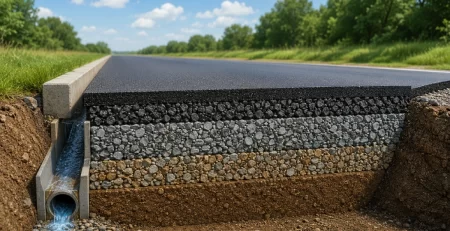
Total Surfacing Solutions installs permeable resin-bound surfacing for homeowners who need a modern finish that supports drainage-led driveway design. The resin drainage structure can help explain why the base matters as much as the surface layer.
SuDS-compliant surfacing should not be treated as a label only. The full driveway build-up, ground condition, fall, edging, and outlet route all decide whether the surface performs properly during heavy rain.
Resin Driveways And The Rule Change
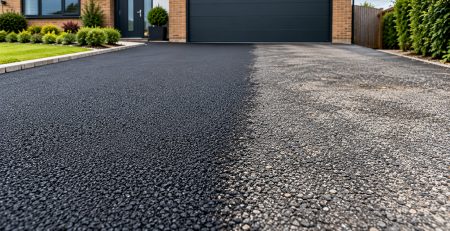
Resin driveways are often discussed when people ask about a New Driveway Rule Change. Because resin-bound systems can be permeable. This makes them suitable for many front garden driveway projects where drainage compliance matters.
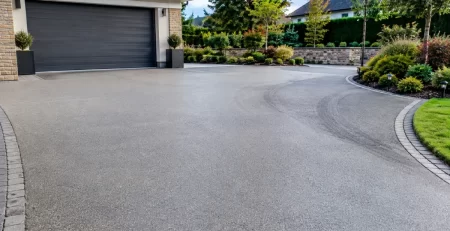
A resin-bound driveway can also give a clean, modern finish with fewer joints than block paving and less movement than loose gravel. For homes in Hertfordshire and surrounding counties, this can be a practical way to combine kerb appeal with surface water management.
Total Surfacing Solutions provides resin driveways in Hertfordshire where the property needs a smooth, low-maintenance surface that can be planned around drainage, access, and everyday vehicle use. The resin driveway preparation process is worth reviewing before installation because poor preparation can affect drainage, bonding, and long-term performance.
Resin is not automatically the answer for every site. If the base is weak, the driveway has heavy commercial traffic, or the gradient is difficult, Total Surfacing Solutions may recommend tarmac, asphalt, or another more suitable surface.
Tarmac, Asphalt And Impermeable Surfaces
Tarmac and asphalt remain practical driveway and road surfacing materials, but they need careful drainage design. Standard tarmac and asphalt are not usually treated the same way as permeable resin-bound surfacing or permeable block paving.
That does not mean they are unsuitable. They are often the right choice for access roads, private roads, commercial car parks, service yards, and high-use surfaces. The key is to design falls, drains, gullies, channels, or runoff routes before the surface is installed.
Total Surfacing Solutions provides tarmac surfacing in Hertfordshire where driveways, roads, and commercial areas need a durable surface. For a front garden driveway, the surface must still be considered alongside the drainage requirement.
If a homeowner wants tarmac but the area is over 5 square metres, the design should avoid sending water onto public surfaces. This may mean a drainage channel, soakaway, permeable border, or another suitable arrangement.
Block Paving And Driveway Rules
Block paving can work under driveway rules when it is designed correctly. The important distinction is between standard block paving and permeable block paving. Permeable block paving uses the joints, bedding layer, and sub-base to help water pass through and drain safely.
Standard block paving may still need separate drainage if it does not manage runoff. For homeowners, this is where confusion starts: the surface may look jointed, but that does not always mean it is automatically compliant.
Where block paving is being considered, the base and jointing method matter. The paver base requirement explains why the structure below the visible blocks is important.
Total Surfacing Solutions can include block paving in a broader driveway design where appearance, edging, brickwork, drainage, and access all need to work together. If a dedicated block paving service page is not confirmed for a specific location or service, it should not be linked as a service destination.
Driveway Widening Rules
Is driveway widening another reason people search for New Driveway Rule Change? Widening a driveway can affect drainage, parking layout, garden loss, boundary edges, and access to the road.
If the widened area creates more impermeable hardstanding, the same drainage rule can apply. If the work also changes the access across the pavement or kerb, local highway approval may be needed separately from front garden surfacing rules.
The driveway widening permission steps are useful before removing lawn, walls, or borders. The driveway widening cost factors can also help homeowners understand why excavation, drainage, edging, and surfacing affect the final cost.
Total Surfacing Solutions can assess whether widening should use resin-bound surfacing, tarmacadam, asphalt, block paving, or a mixed surface design. The best choice depends on how the new space will drain and how vehicles will enter, turn, and park.
Dropped Kerbs And Driveway Aprons
A dropped kerb is not the same as the driveway surface itself. It usually involves the public pavement or highway edge, which means council permission and approved construction rules may apply.
The driveway apron is the transition between the driveway and the road or pavement. If this area is badly planned, vehicles can scrape, water can collect, and the driveway edge can fail early.
The driveway apron layout helps explain how the entrance connects to the highway edge. The driveway apron responsibility guide is useful because responsibility can depend on location, ownership, and whether the apron forms part of a public access route.
Total Surfacing Solutions can advise on the driveway surface, but homeowners should also check local authority requirements before changing kerbs, access points, or pavement crossings.
Driveway Width, Access And Layout
Driveway width matters because a compliant surface can still be inconvenient if the layout is too tight. A narrow driveway can damage edges, make turning difficult, and push vehicles onto soft borders.
When planning around the New Driveway Rule Change, the layout should include space for parking, safe entry, drainage, bins, steps, planting, and pedestrian movement. Removing too much soft landscaping can create drainage problems even if the new driveway looks cleaner.
The driveway width planning guide is useful before widening or resurfacing. It helps homeowners think about real vehicle movement rather than only the number of parking spaces.
A good design keeps the surface practical without turning the whole frontage into hardstanding. Total Surfacing Solutions can recommend a layout that balances parking capacity, drainage, kerb appeal, and long-term usability.
Sloped Driveways And Drainage Risk
Sloped driveways need extra care because rainwater moves faster down a gradient. If the surface is impermeable or the falls are wrong, water can run toward the road, garage, house entrance, or neighbouring property.
A sloped driveway may need channels, intercept drains, stronger edging, a stable sub-base, and a grippy finish. The best surface depends on the gradient, vehicle movement, and where water can safely drain.
The sloped driveway drainage plan explains why slope, grip, transition angles, and runoff must be planned together. For erosion-prone areas, the driveway erosion repair framework can also help identify early signs of surface failure.
Total Surfacing Solutions can combine resin, tarmacadam, asphalt, edging, brickwork, or drainage details where a sloped driveway needs a more engineered approach.
Commercial Surfacing And Car Parks
Commercial surfacing is different from a domestic front garden driveway. Car parks, private roads, forecourts, and access routes usually need stronger surfacing, planned drainage, line marking, and maintenance access.
A commercial site may not be affected by the same household front garden rule in the same way, but drainage and surface water management still matter. Standing water can damage asphalt, increase pothole risk, hide markings, and make pedestrian routes less safe.
Total Surfacing Solutions provides commercial surfacing, road surfacing, tarmacadam, asphalt, and line marking for sites that need surfaces built around real traffic use. Where parking bays, pedestrian routes, or loading areas need organisation, line marking services in Hertfordshire can support safety and efficiency after resurfacing.
For larger wet-weather projects, the eco road surfacing options can help site owners compare materials with drainage and sustainability in mind.
Low Maintenance Driveway Choices
A driveway that meets drainage rules should also be easy to maintain. Resin-bound surfacing is often chosen because it has fewer joints than block paving and less movement than gravel.
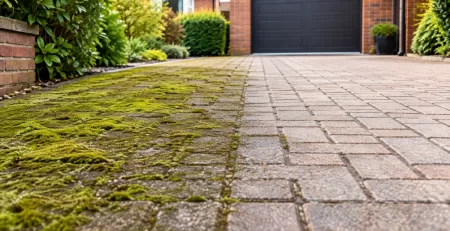
Low maintenance does not mean no maintenance. Leaves, silt, weeds, algae, tyre marks, and blocked drains can still affect a surface over time. The better approach is to choose a surface that reduces avoidable maintenance from the start.
Total Surfacing Solutions can recommend a low maintenance driveway where the client wants a surface that handles daily use without constant repair, re-sanding, or loose-stone movement. For resin, proper preparation, cleaning, and drainage help protect long-term performance.
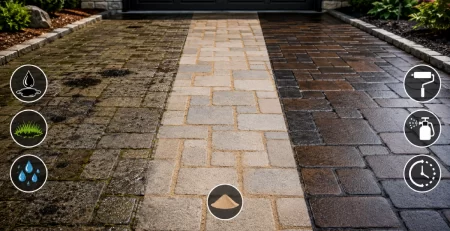
If the existing surface is stained, slippery, or holding dirt, professional cleaning may help, but it will not fix a drainage or base problem. A surface inspection should come before you decide whether you need cleaning, repair, resurfacing, or replacement.
Fast Installation And Planning Checks
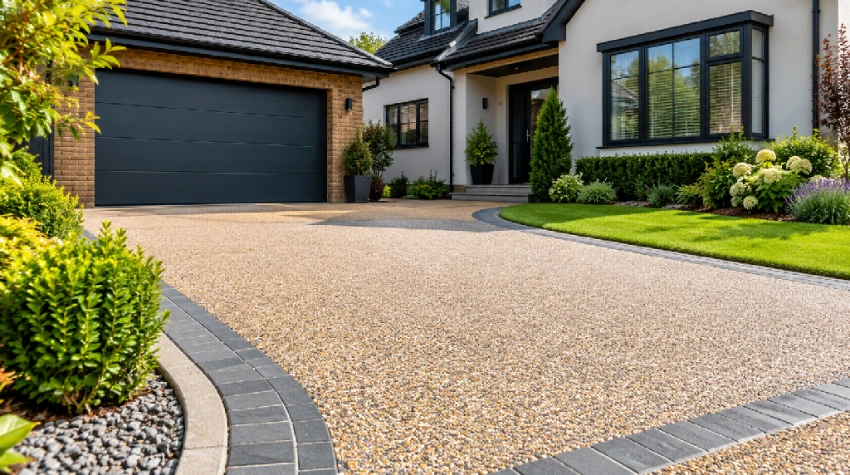
Fast installation is useful, but driveway rule checks should happen before work starts. Rushing into surfacing without checking drainage, access, width, and base condition can cause avoidable problems later.
Total Surfacing Solutions provides driveway installation in Hertfordshire for homeowners who need a planned route from inspection to finished surface. That plan may include excavation, base preparation, drainage, edging, surfacing, and finishing details.
Fast does not mean skipping the important steps. A driveway that drains properly, carries vehicles safely, and suits the property will usually save more time than a quick surface that later needs correction.
For new-build homes, driveway decisions can be especially important because drainage, access, and kerb appeal are often planned together. The new build driveway planning notes are useful where the driveway is part of a wider property finish.
New Driveway Rule Change? Area Coverage
Local driveway decisions can vary because road layouts, driveway gradients, property frontage, clay soils, parking pressure, and drainage routes are different from one area to another. Total Surfacing Solutions works across Hertfordshire and surrounding counties, helping homeowners choose resin-bound surfacing, tarmacadam, asphalt, block paving, and drainage-led driveway solutions.
New Driveway Rule Change? In Bedfordshire
Bedfordshire homeowners checking the New Driveway Rule Change? should focus on permeability, water runoff, and whether the driveway connects safely to the road. Total Surfacing Solutions can compare resin-bound surfacing, tarmacadam, block paving, and drainage-led designs based on the existing driveway condition.
New Driveway Rule Change? In Oxford
Oxford driveway projects may involve older properties, tight entrances, and front gardens where drainage needs careful planning. Total Surfacing Solutions can advise whether resin-bound surfacing or another driveway surface is better suited to the property layout and rule requirements.
New Driveway Rule Change? In Cambridgeshire
Cambridgeshire homes and small commercial sites can benefit from driveway surfacing that manages rainwater properly from the start. Total Surfacing Solutions can inspect the base, drainage direction, and access before recommending resin, tarmac, asphalt, or block paving-style solutions.
Driveway Rule Change For Resin In Essex
Essex homeowners considering resin driveways should check whether the surface will remain permeable and whether the base supports drainage. Total Surfacing Solutions can recommend a resin-bound system where a modern finish and surface water management are both priorities.
Driveway Surfacing Rules In Essex
Essex driveway projects may involve widening, resurfacing, or replacing an older impermeable surface. Total Surfacing Solutions can advise on driveway surfacing options that suit the property, parking needs, and drainage requirements.
Driveway Repair Rules In Essex
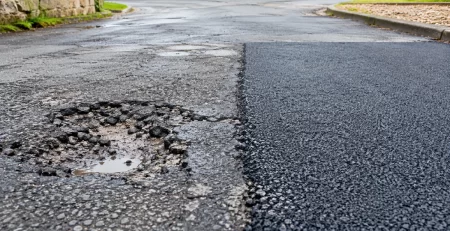
Essex driveway repairs may be needed where failed surfacing, cracks, or potholes allow water into the base. Total Surfacing Solutions can inspect whether a repair is enough or whether drainage and resurfacing should be considered together.
Machine Lay Tarmac Rules In Essex
Essex machine lay tarmac can be useful for larger driveways, access roads, and commercial surfacing where resin or block paving is not the best fit. Total Surfacing Solutions can plan surface falls and drainage so the finished area works in wet conditions.
New Driveway Rule Change? In Hertfordshire
Hertfordshire homeowners asking about the New Driveway Rule Change should check whether their driveway will be permeable or drain safely within the property. Based in Hertford, Total Surfacing Solutions can assess the site and recommend a suitable driveway surface.
Driveway Surfacing Rules In Hertfordshire
Hertfordshire driveway projects can include resin bound surfacing, tarmacadam, asphalt, block paving, edging, and drainage corrections. Total Surfacing Solutions can help property owners choose a surface that fits both the home and the practical requirements of the driveway rules.
Driveway Repair Rules In Hertfordshire
Hertfordshire driveway repairs may be needed when water damage, edge failure, or surface cracking has already started. Total Surfacing Solutions can identify whether the problem is cosmetic, structural, drainage-related, or linked to the existing base.
Machine Lay Tarmac Rules In Hertfordshire
Hertfordshire machine lay tarmac is suitable for larger areas where a consistent, durable surface is needed. Total Surfacing Solutions can support driveway, access road, and commercial surfacing projects where drainage and traffic use must be considered together.
Final Answer: New Driveway Rule Change?
The New Driveway Rule Change? is usually not a brand-new rule. The key driveway rule is that front garden surfacing over 5 square metres should either be permeable or drain to a permeable area if homeowners want to avoid planning permission problems.
For many homes, resin driveways in Hertfordshire are a practical choice because resin-bound surfacing can support drainage-led design when installed correctly. Tarmac, asphalt, and block paving can also work, but they need the right drainage, base preparation, edging, and layout.
Total Surfacing Solutions can inspect the existing driveway, check how water currently moves, and recommend a surface that suits the property, vehicle use, and rule requirements. The best approach is simple: decide the drainage plan first, then choose the finish.
FAQs
Is there a New Driveway Rule Change?
The main driveway rule people refer to is not new. In England, front garden hard surfacing rules have focused on permeability and drainage since the 2008 change to permitted development rights. A new or replacement driveway may avoid planning permission if it uses permeable surfacing or directs water to a permeable area. The concern usually arises when homeowners install impermeable surfacing over 5 square metres without managing runoff.
Do I need planning permission for a new driveway?
You may need planning permission for a new driveway if the area is over 5 square metres and uses an impermeable surface that does not drain to a permeable area. You usually do not need planning permission if the driveway uses a permeable surface or directs rainwater to a lawn, border, or other suitable permeable area. Dropped kerbs and access changes can have separate approval requirements.
Does a resin driveway follow the driveway rule?
A resin-bound driveway can follow the driveway rule when it is permeable and installed over a suitable base. The surface alone is not the full answer because water must still drain properly through the system or to a suitable area. Resin-bonded systems are different and may not provide the same permeability. Total Surfacing Solutions can check which resin system is suitable for the property.
Can I widen my driveway without permission?
You may be able to widen your driveway without planning permission if the widened area remains permeable or drains to a permeable area. Permission issues can arise if the wider driveway creates more impermeable hardstanding or changes access across the pavement. If a dropped kerb or highway crossing is involved, council approval may be needed separately from the surfacing work.
What driveway surfaces help with the rule?
Permeable resin-bound surfacing, permeable block paving, gravel, porous asphalt, and drainage-to-border designs can help with the driveway rule when installed correctly. The right option depends on the driveway base, slope, vehicle use, drainage route, and desired finish. A surface that looks permeable may still fail the practical test if the base and water outlet are poorly designed.
Does tarmac need planning permission?
Tarmac may need planning permission if it is used as an impermeable front garden surface over 5 square metres without provision for water to drain to a permeable area. Tarmac can still be a suitable driveway surface when drainage is properly designed. Channels, soakaways, borders, and correct falls can help manage runoff, but the exact requirement depends on the site.
Do driveway rules apply to commercial car parks?
Domestic front garden rules are different from commercial surfacing requirements, but drainage still matters for commercial car parks, access roads, and forecourts. Commercial surfaces often need planned drainage, line marking, durable asphalt or tarmac, and safe pedestrian routes. Standing water can damage the surface, hide markings, and create maintenance problems, so drainage should be designed before resurfacing.
What should I check before installing a driveway?
Before installing a driveway, check the surface area, material permeability, drainage route, driveway width, slope, access point, existing base, and whether a dropped kerb is involved. You should also consider vehicle weight, turning movement, maintenance needs, and whether water could run onto a pavement or road. A site inspection helps prevent choosing a surface that looks good but fails in daily use.