Understanding Surface Fretting on Tarmac Roads
Surface fretting on tarmac roads is a common form of deterioration that can affect private roads, commercial access routes, industrial estates and residential developments throughout the UK. Although the early signs may appear relatively minor, untreated fretting can gradually weaken the road surface, allowing further damage to develop.
For property owners and commercial site managers, understanding surface fretting is important for maintaining safe access, controlling maintenance expenditure and protecting the long-term performance of tarmac surfaces.
Fretting typically begins when small particles of aggregate become detached from the road surface. Over time, continued traffic movements and exposure to British weather conditions can accelerate this deterioration, leaving the surface increasingly rough and vulnerable to further damage.
Identifying the problem early allows appropriate repairs to be carried out before more extensive resurfacing becomes necessary.
What Is Surface Fretting on Tarmac Roads?
Surface fretting is the gradual loss of fine aggregate and bituminous material from the upper layer of a tarmac or asphalt road.
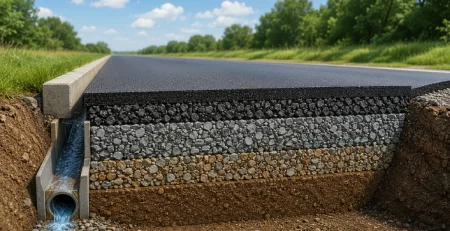
A properly constructed road surface contains carefully graded aggregates held together by a bituminous binder. This combination creates a durable wearing course designed to withstand vehicle movements, weather exposure and everyday use.
When the bond between the aggregate particles and the binder begins to deteriorate, small particles can become loose and separate from the surface.
This process is known as fretting and may eventually develop into more extensive aggregate loss, often described as ravelling.
How Surface Fretting Develops
In its earliest stages, surface fretting may appear as a slightly roughened or uneven texture.
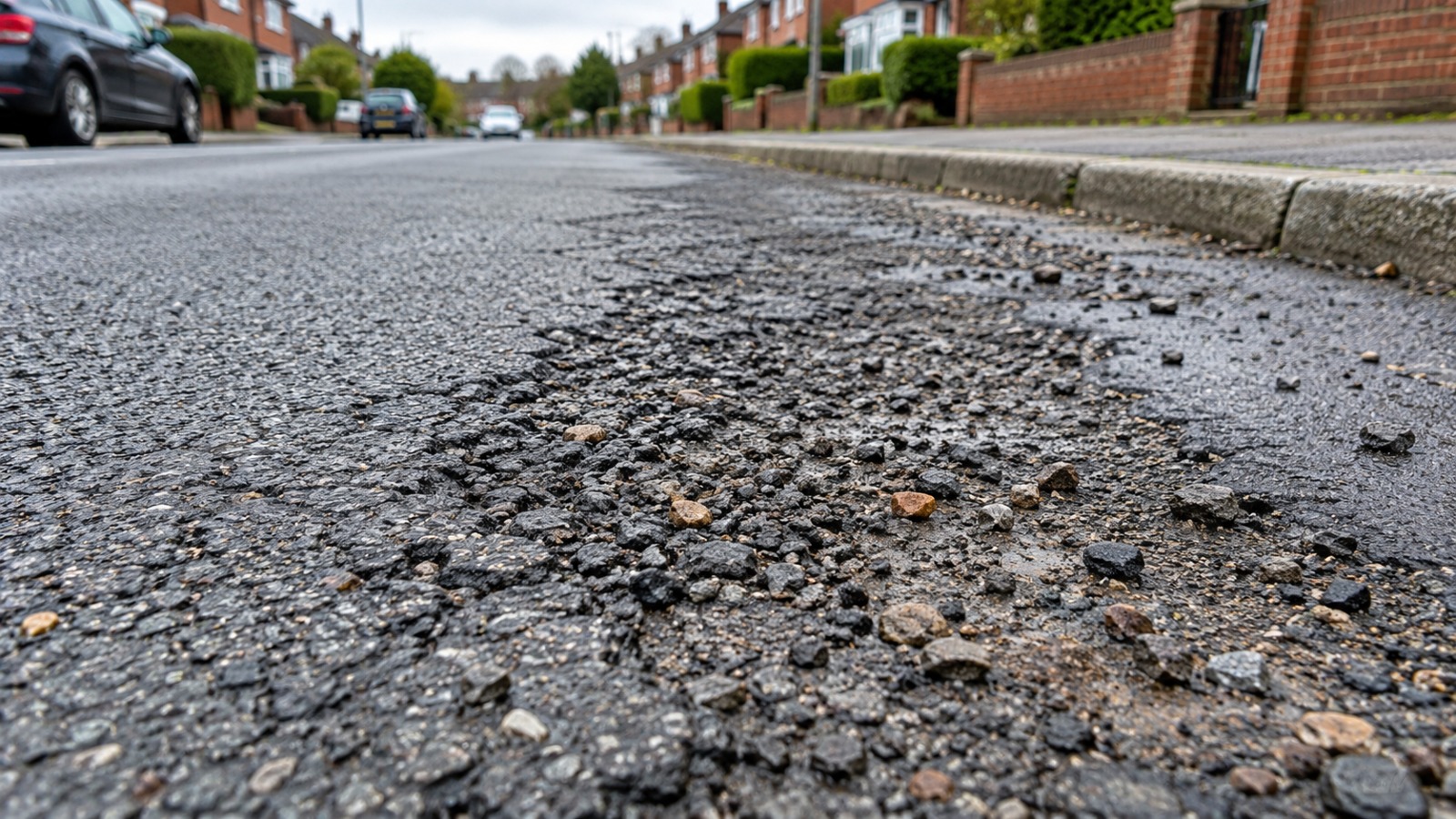
Fine particles begin separating from the wearing course, exposing more of the larger aggregate beneath.
As deterioration progresses, the surface can become increasingly open-textured, allowing moisture to penetrate more easily.
Repeated vehicle movements gradually dislodge additional material, particularly where tyres apply significant pressure during braking, turning or acceleration.
If deterioration continues, larger aggregate particles may become detached, creating shallow depressions and weakening the surrounding surface.
Eventually, these damaged areas can develop into potholes or require more extensive road repairs.
Surface Fretting Compared with Other Road Defects
Surface fretting is sometimes confused with cracking, potholing or general surface wear.
However, these defects develop in different ways.
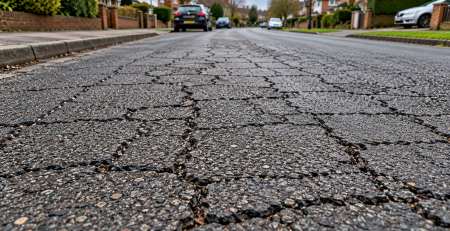
Cracking involves visible fractures within the road surface, while potholes are localised cavities where material has been lost.
Surface fretting generally begins with the progressive loss of smaller particles from the wearing course.
Although these defects are different, they can be connected. A fretted surface may become more vulnerable to water penetration, which can contribute to cracking, potholes and deterioration of the underlying pavement layers.
Understanding these differences helps determine the most appropriate repair method.
What Causes Surface Fretting on Tarmac Roads?
Several factors can contribute to surface fretting on tarmac roads, including ageing materials, poor installation, moisture penetration and repeated traffic loading.
In many cases, deterioration results from a combination of these conditions rather than a single cause.
Ageing and Deterioration of Bitumen
Bitumen acts as the binding material that holds the aggregate particles together.
Over time, exposure to oxygen, sunlight and changing temperatures can cause the binder to harden and become less flexible.
As the material ages, its ability to accommodate repeated traffic stresses may gradually decrease.
This can weaken the bond between the aggregate particles, allowing smaller stones and fine material to become detached.
Older road surfaces are therefore more likely to experience fretting, particularly where routine maintenance has been limited.
However, age alone does not determine whether fretting will occur. Material quality, construction standards, traffic conditions and drainage also influence surface durability.
Poor Compaction During Installation
Compaction is an essential part of professional tarmac installation.
During construction, the newly laid material must be compacted sufficiently to achieve the required density and provide a stable wearing course.
If compaction is inadequate, excessive air voids may remain within the surface.
These voids can allow water to enter the material and reduce the cohesion between aggregate particles.
Over time, traffic movements may accelerate the loss of surface material.
Professional tarmac installation and road surfacing services help reduce these risks through appropriate material selection, surface preparation and controlled installation methods.
Water Penetration and Drainage Problems
Water is an important contributing factor in many road surface defects.
When moisture enters an open-textured or deteriorating tarmac surface, it can weaken the bond between the bitumen and aggregate.
Repeated vehicle loading may then accelerate the separation of surface particles.
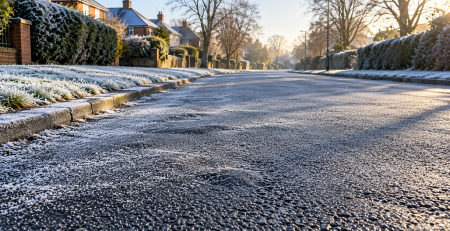
During colder periods, water trapped within the pavement can also contribute to freeze-thaw deterioration.
Drainage problems can make these conditions worse by allowing water to remain on or around the road surface for extended periods.
Poorly maintained drainage channels, blocked gullies and inadequate surface falls may all contribute to premature deterioration.
For this reason, drainage performance should be considered whenever surface fretting is investigated.
Heavy Traffic and Repeated Vehicle Movements
Roads carrying frequent vehicle movements are exposed to continuous mechanical stress.
Commercial access roads, delivery routes and industrial yards may experience particularly demanding conditions because of repeated heavy vehicle loading.
Areas where vehicles regularly brake, accelerate or turn can be especially vulnerable.
Tyre movements create horizontal forces that may gradually dislodge aggregate particles when the surface has already weakened.
Heavy goods vehicles can increase these stresses, particularly where the pavement construction is unsuitable for the loads being carried.
Appropriate commercial surfacing should therefore account for expected traffic volumes, vehicle types and operational requirements.
Unsuitable Materials or Poor Workmanship
The durability of a tarmac surface depends partly on the quality and suitability of the materials used.
An inappropriate asphalt mixture, insufficient binder content or poor adhesion between aggregate and bitumen can increase the likelihood of premature fretting.
Construction conditions also matter.
If asphalt cools excessively before compaction, achieving the required density becomes more difficult.
Similarly, inconsistent material distribution can create areas with different levels of durability.
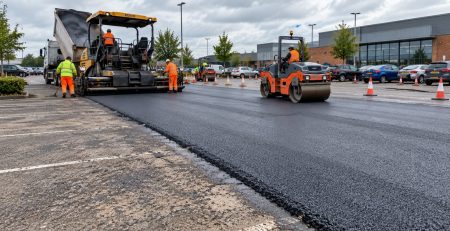
Professional machine-laid tarmac surfacing can help achieve consistent material placement and surface levels, provided that suitable compaction and quality control procedures are followed.
How to Identify Surface Fretting Early
Recognising surface fretting before significant deterioration occurs can help property owners avoid unnecessary repair costs.
Early identification is particularly important on commercial sites where road closures or restricted access may disrupt operations.
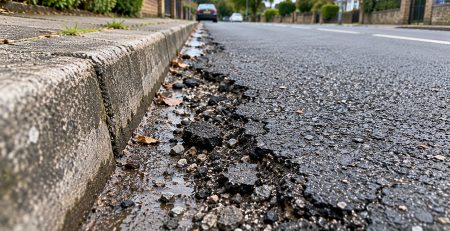
Loose Aggregate on the Surface
One of the most recognisable signs of fretting is the appearance of loose stones or fine aggregate.
These particles may accumulate near kerbs, drainage channels or areas where vehicles frequently turn.
A small amount of loose material does not automatically indicate serious deterioration.
However, repeated aggregate loss from the same location may suggest that the wearing course is beginning to break down.
Rough or Open-Textured Tarmac
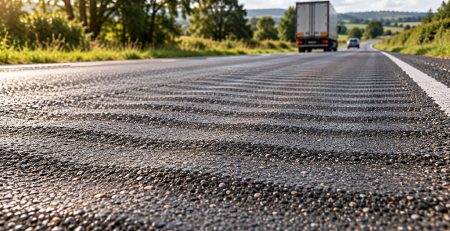
A fretted road surface often appears noticeably rougher than surrounding areas.
The original surface texture may become uneven as fine material is lost.
In more advanced cases, larger stones become exposed and the surface develops a visibly open appearance.
These changes may initially affect isolated sections before spreading across a larger area.
Shallow Depressions and Uneven Wear
As aggregate loss continues, shallow depressions may develop within the affected surface.
These areas can collect water and experience additional wear from passing vehicles.
Uneven deterioration may be particularly noticeable along wheel tracks or around entrances where traffic follows the same route repeatedly.
Increasing Surface Deterioration After Rainfall
Rainfall can make existing defects easier to identify.
Water may collect within damaged areas or remain trapped in sections where the surface has become more porous.
If certain parts of a road consistently remain wet longer than surrounding areas, further investigation may be appropriate.
However, standing water can also result from drainage or surface-level problems unrelated to fretting.
A proper inspection should establish the underlying cause before repairs are selected.
Why Surface Fretting Should Not Be Ignored
Surface fretting may initially appear cosmetic, but continued deterioration can affect road performance, maintenance requirements and user safety.
Increased Risk of Pothole Formation
When surface particles become detached, the wearing course gradually loses material.
This can expose the remaining aggregate to additional traffic stresses and moisture penetration.
As deterioration progresses, localised areas may begin to break apart.
Eventually, these areas can develop into potholes.
Timely pothole repairs are important where surface deterioration has progressed to the point that cavities have formed.
Addressing the underlying cause is equally important to reduce the likelihood of recurring damage.
Reduced Driving Comfort and Surface Performance
A deteriorating road surface may become uneven and uncomfortable for drivers.
Loose aggregate can also create additional hazards, particularly for cyclists and motorcyclists.
Although surface fretting does not automatically mean that skid resistance has become inadequate, changes in surface texture and the presence of loose material can affect tyre interaction with the road.
Where safety concerns exist, a professional assessment may be necessary.
Higher Long-Term Maintenance Costs
Minor surface deterioration is often less expensive to address than widespread pavement failure.
When fretting is ignored, the affected area may expand and require more extensive treatment.
What begins as a localised repair could eventually involve removing and replacing significant sections of the wearing course.
For commercial property owners, additional costs may arise from traffic management, restricted access and operational disruption.
Early intervention can therefore provide financial benefits as well as protecting the road itself.
How Is Surface Fretting on Tarmac Roads Repaired?
The most suitable repair method depends on the severity of the deterioration, the condition of the underlying pavement and the extent of the affected area.
A professional inspection should determine whether the damage is limited to the surface or whether deeper structural problems are present.
Surface Treatments for Early-Stage Fretting
Where fretting is minor and the underlying pavement remains sound, an appropriate surface treatment may help slow further deterioration.
Depending on the existing surface condition, treatments may include suitable bituminous sealing systems or other specialist maintenance materials.
These treatments aim to protect the surface and reduce further aggregate loss.
However, they are not suitable for every situation.
If the surface has already lost substantial material or the underlying pavement is unstable, applying a surface treatment alone may provide limited benefit.
The treatment must also be compatible with the existing material and preserve appropriate surface characteristics.
Localised Tarmac Repairs
Where fretting affects a relatively small area, localised repairs may be appropriate.
This typically involves removing deteriorated material and preparing the affected section before installing replacement asphalt.
The repair area should be assessed carefully to ensure that unsound material is not left beneath the new surface.
Proper compaction and suitable connections with the surrounding pavement are essential for achieving a durable result.
Localised repairs are particularly useful where most of the existing road remains in satisfactory condition.
Partial or Full Road Resurfacing
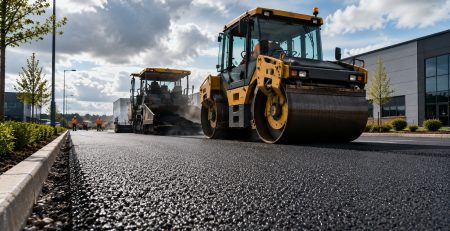
Where surface fretting is widespread, resurfacing may provide a more effective long-term solution.
Resurfacing generally involves removing the deteriorated wearing course and installing a new asphalt surface.
Before work begins, the underlying pavement must be assessed to establish whether it can support the replacement material.
If deterioration extends into deeper layers, additional reconstruction may be necessary.
Professional highway surfacing methods can be adapted to the requirements of different roads, including access routes and areas carrying regular vehicle traffic.
The appropriate treatment should be determined by pavement condition rather than appearance alone.
How to Prevent Surface Fretting on Tarmac Roads
Although all tarmac surfaces experience ageing and wear, appropriate design, installation and maintenance can reduce the likelihood of premature fretting.
Choose Suitable Surfacing Materials
The asphalt mixture should be appropriate for the intended application.
A lightly trafficked residential access road may have different requirements from an industrial yard used by heavy goods vehicles.
Material selection should consider traffic loading, expected service conditions, drainage and the existing pavement structure.
Using a suitable specification helps provide the durability required for the location.
Ensure Professional Installation
Correct installation is one of the most important factors influencing long-term surface performance.
The preparation of the underlying pavement, material temperature, laying methods and compaction procedures all affect the finished result.
Insufficient compaction or inconsistent construction can create weaknesses that become apparent after the road enters service.
Using experienced surfacing contractors helps ensure that installation methods are appropriate for the project.
Maintain Effective Drainage
Good drainage helps protect the road surface and underlying pavement layers.
Gullies, channels and drainage outlets should be kept clear to allow water to move away from trafficked areas.
Persistent standing water should be investigated, particularly where it occurs alongside cracking or aggregate loss.
Where necessary, drainage improvements may be required before resurfacing work is undertaken.
Carry Out Regular Surface Inspections
Routine inspections allow emerging defects to be identified before they become extensive.
Property managers should pay particular attention to heavily trafficked areas, road edges, turning points and locations where water frequently collects.
Changes in surface texture, loose aggregate and localised depressions may indicate developing problems.
Keeping a record of these changes can help establish whether deterioration is progressing.
Regular inspections are particularly valuable for sites where road access is essential to daily operations.
Surface Fretting on Commercial Roads and Industrial Sites
Commercial roads often experience different loading conditions from residential streets.
Delivery vehicles, refuse lorries, forklifts and other operational traffic may place considerable demands on the pavement.
Where vehicles repeatedly follow the same routes, localised wear can develop more quickly.
High-Stress Turning and Braking Areas
Vehicle turning areas are particularly vulnerable to surface deterioration.
When heavy vehicles turn at low speeds, their tyres can generate substantial horizontal forces against the road surface.
If the asphalt has already weakened through ageing or moisture damage, these movements may accelerate aggregate loss.
Loading bays, junctions and entrance areas should therefore receive particular attention during inspections.
Maintaining Access During Repairs
For businesses, resurfacing work must often be planned around operational requirements.
Temporary closures may affect deliveries, staff parking or customer access.
Where practical, repairs can be divided into manageable sections to reduce disruption.
The appropriate approach depends on the site layout, traffic requirements and extent of deterioration.
Early identification of fretting can provide greater flexibility when planning maintenance works.
When Should a Tarmac Road Be Professionally Inspected?
Not every change in road surface texture requires immediate resurfacing.
However, certain conditions indicate that a more detailed assessment would be appropriate.
A professional inspection should be considered when loose aggregate continues to accumulate, deterioration spreads across larger areas or the surface begins developing shallow cavities.
Inspection is also advisable where fretting occurs alongside cracking, standing water or visible deformation.
These combined symptoms may indicate problems extending beyond the wearing course.
For property owners managing private roads or commercial access routes, an assessment can help distinguish between isolated surface defects and more extensive pavement deterioration.
Experienced road surfacing contractors can assess the condition of the existing surface and identify suitable maintenance or replacement options.
Is Surface Fretting Always a Sign That Resurfacing Is Needed?
Surface fretting does not automatically mean that an entire road requires resurfacing.
The appropriate response depends on how much material has been lost, how quickly deterioration is progressing and whether the underlying pavement remains structurally sound.
Minor fretting may be manageable through targeted maintenance where conditions are suitable.
More advanced deterioration may require localised replacement or resurfacing of the affected wearing course.
If moisture damage, inadequate support or structural movement is present, repairs may need to extend into deeper pavement layers.
The key consideration is identifying the cause rather than simply covering the visible damage.
A properly selected repair should address the existing defect while reducing the likelihood of premature failure.
Managing Surface Fretting for Long-Term Road Performance
Surface fretting on tarmac roads is an important indicator of changing pavement condition.
Although it often begins with relatively small amounts of aggregate loss, continued exposure to traffic and moisture can allow deterioration to spread.
For private road owners, residential developments and commercial site managers, early recognition provides an opportunity to assess the surface before more substantial damage develops.
Effective maintenance depends on understanding the condition of the wearing course, the performance of the underlying pavement and the drainage arrangements serving the road.
Where deterioration remains limited, targeted repairs may be sufficient. Where the surface has weakened extensively, resurfacing or deeper reconstruction may be necessary.
The most reliable approach is to assess the cause of fretting, select a repair appropriate to the existing pavement and maintain the completed surface through regular inspections.
This helps preserve road usability, manage long-term expenditure and reduce the risk of avoidable deterioration.