Car Park Surfacing Best Practices For Drainage?
Poor car park drainage causes more than puddles. Standing water can weaken asphalt, stain resin surfaces, undermine tarmac edges, damage line markings, increase pothole risk, and create unsafe pedestrian routes. Car Park Surfacing Best Practices For Drainage starts with a simple principle: design the surface, falls, sub-base, outlets, materials, and maintenance plan as one drainage system.
Total Surfacing Solutions helps commercial sites, business parks, landlords, estates, and residential clients across Hertford, Hertfordshire, Bedfordshire, Oxford, Cambridgeshire, and Essex choose car park surfacing that manages water properly rather than moving the same defect from one place to another.
Quick Check: If your car park has ponding, failed patches, blocked outlets, or water-damaged asphalt, Total Surfacing Solutions can assess the surface through road surfacing in Hertfordshire before drainage problems spread into wider resurfacing work.
Car Park Surfacing Best Practices For Drainage?

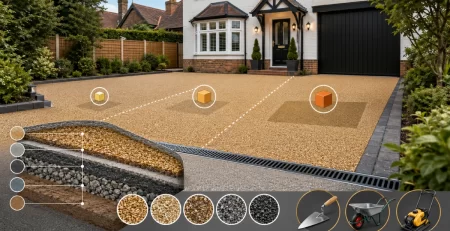
The best car park drainage starts before the surface is installed. Falls must move water away from buildings and pedestrian areas, the base must support both vehicles and water movement, and the surface must suit the site’s traffic level. UK SuDS guidance describes sustainable drainage systems as methods that manage surface water close to where it falls, using built and nature-based techniques to mimic natural drainage.
For Total Surfacing Solutions, this means car park surfacing is not just asphalt, tarmac, resin, or block paving. It is the relationship between water, load, gradient, surface material, outlets, sub-base construction, and long-term maintenance.
Car Park Drainage Best Practice Table
| Drainage factor | Poor practice | Better surfacing practice |
| Surface falls | Water sits in bays and pedestrian routes | Design falls toward suitable drainage points |
| Sub-base | Weak, clogged, or poorly compacted layers | Use a stable build-up matched to load and water movement |
| Surface material | Same material used everywhere without site assessment | Match asphalt, tarmac, resin, or block paving to traffic and drainage |
| Outlets | Gullies blocked, undersized, or badly positioned | Keep channels, gullies, and outlets accessible for maintenance |
| Permeability | Impermeable surface with nowhere for water to go | Use permeable or directed drainage where suitable |
| Line marking | Bays direct vehicles into ponding zones | Mark routes after surface levels and drainage are corrected |
| Maintenance | Repairs only after potholes appear | Inspect, clean, and repair before water enters lower layers |
Why Drainage Decides Car Park Lifespan?
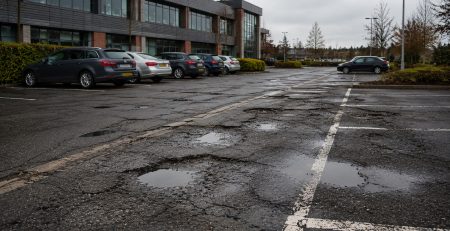
Drainage decides car park lifespan because water is one of the main triggers for surface failure. Water held on asphalt, tarmac, or block paving can enter cracks, joints, edges, and weak patches. Once the lower layers are wet, repeated vehicle loads can turn a small defect into a pothole or rut.
National SuDS standards in England cover runoff destinations, everyday rainfall, extreme rainfall and flooding, water quality, amenity, biodiversity, operation, maintenance, and structural integrity. They also state that larger car parks and more heavily trafficked roads may need additional treatment measures as part of the drainage management train.
Total Surfacing Solutions assesses these practical risks before recommending repair, resurfacing, machine-laid tarmac, resin surfacing, or surface drainage improvements.
Start With Falls, Levels, And Water Routes
A car park should not rely on luck to drain. The surface must have intentional falls that direct rainwater toward gullies, channels, permeable zones, soakaways, or other approved drainage points. If levels are wrong, even a strong surface can fail because water will sit in low points.
Falls must also consider where people walk. Water should not collect at entrances, crossing points, disabled bays, steps, thresholds, loading areas, or fire exits. Good drainage protects both surface life and site usability.
The parking surface specification checklist is a useful supporting reference because drainage quality depends on design, preparation, materials, and finish, not one isolated surface choice.
Sub-Base Drainage Below The Car Park Surface
The sub-base is where many drainage failures begin. If the sub-base is poorly compacted, contaminated, too shallow, or unable to manage water, the car park surface above it can crack, rut, sink, or pothole.
A permeable surface still needs the correct lower layers. Water must have somewhere to go once it passes through the surface. Where the site is not suitable for full infiltration, a designed outfall or controlled discharge route may be needed.
The sub-base drainage preparation steps explain why the hidden build-up below the car park is central to long-term performance. For deeper layer planning, the binder course water-control roles are also relevant.
Choose Car Park Surfacing Around Real Use
A small private parking area, a public-facing retail car park, a school car park, an industrial yard, and a business park road all place different demands on drainage. Vehicle weight, turning pressure, parked dwell time, surface gradient, and pedestrian movement all affect material choice.
Total Surfacing Solutions provides car park surfacing in Hertfordshire for sites where drainage, vehicle load, access, and repair history must be considered together.
For busy commercial areas, the heavy-use surfacing selection guide helps connect surface choice with the way water and traffic stress the same parts of the car park.
Asphalt And Tarmac Car Park Drainage
Asphalt and tarmac car parks need correct falls, solid edges, sound joints, and a suitable base. These surfaces can perform well in commercial settings, but they should not be laid over a wet, unstable, or badly drained foundation.
Total Surfacing Solutions installs tarmac surfacing in Hertfordshire where the surface needs to handle vehicles, water movement, and everyday wear.
Drainage becomes especially important at entrances, ramps, corners, loading areas, and turning zones because water and tyre pressure often combine there. A dry-looking surface can still fail if water is trapped below it.
Machine-Laid Tarmac For Consistent Drainage
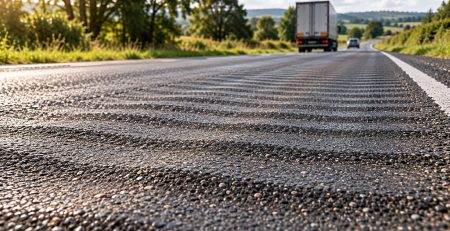
Machine-laid tarmac can support better drainage on larger car parks because it helps create more consistent levels and a cleaner surface finish across wider areas. In drainage-sensitive projects, consistency matters because small low spots can become recurring puddles.
Total Surfacing Solutions offers tarmac installation in Hertfordshire for commercial car parks, access roads, estate roads, and private surfaces where a more even installation is needed.
The machine-laid parking surface consistency guide is useful where clients are comparing hand-laid patches with a more uniform installation method.
Permeable Resin Bound Car Park Areas
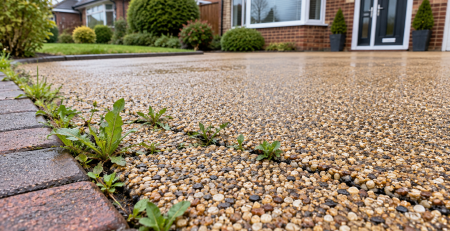
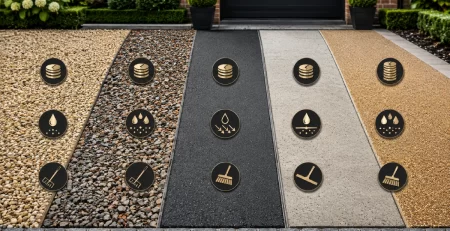
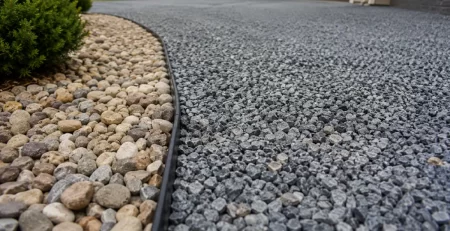
Permeable resin bound surfacing can help with drainage in suitable car park areas, especially where appearance, permeability, and low-maintenance access routes matter. It is not suitable for every heavy vehicle area, so the base, traffic load, and use pattern must be checked.
Total Surfacing Solutions can provide permeable resin bound surfacing in Hertfordshire for appropriate driveways, pedestrian areas, parking spaces, and commercial surfacing projects.
For readers comparing permeability, the resin permeability basics help explain why a permeable finish depends on the whole system, not just the visible aggregate layer.
Resin, Asphalt, And Commercial Surface Choice
Commercial car parks often need a mixed specification. Asphalt or tarmac may suit heavy vehicle lanes, while resin-bound surfacing may suit selected bays, entrances, walkways, or customer-facing areas where permeability and appearance are priorities.
The right choice depends on traffic, drainage, maintenance, site image, budget, and how quickly the area needs to return to use. Total Surfacing Solutions can assess whether the site needs one material or a combined approach.
The commercial resin and asphalt comparison is a useful next step where a car park owner is comparing surface performance rather than choosing based on appearance alone.
Potholes Are Drainage Warnings
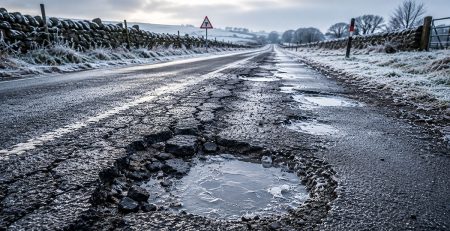
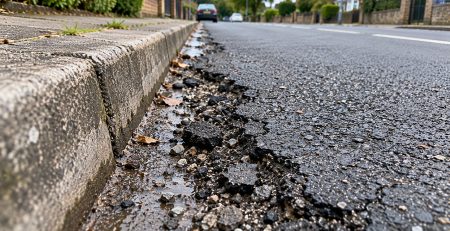
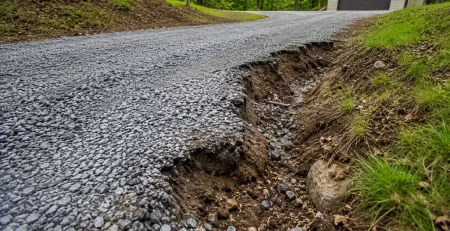
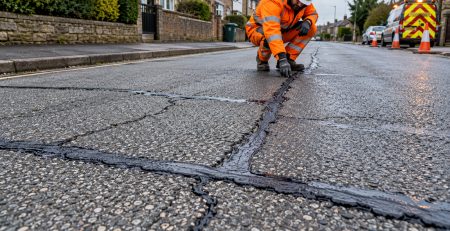
Potholes in a car park often point to drainage failure. Water may have entered through cracks, broken edges, poor joints, or ponding zones. Once traffic pushes on wet or unsupported layers, the surface can break apart quickly.
Total Surfacing Solutions provides surface repair in Hertfordshire for commercial car parks, private roads, driveways, and access routes where drainage-linked defects need more than a loose fill.
The poor drainage failure patterns are worth reviewing because repeated potholes usually mean the water route needs correcting, not just the surface hole.
Line Marking Should Follow Drainage Correction
Line marking should be planned after the car park drainage and surface levels are corrected. If new bay lines are placed over ponding areas, weak asphalt, or patched potholes, markings may wear quickly and the layout may guide drivers into problem zones.
Total Surfacing Solutions can deliver commercial surfacing solutions in Hertfordshire after repair or resurfacing so bays, arrows, crossings, and safety areas sit on a stable surface.
Good line marking also helps drainage indirectly by controlling traffic movement. Drivers are less likely to cut corners, overrun edges, or turn sharply through low spots when the layout is clear.
Block Paving And Permeable Parking Bays
Block paving can work well for parking bays when it is installed with the right sub-base, restraints, joints, and drainage plan. Permeable block paving can also help manage rainfall where the ground and site conditions allow it.
Planning Portal guidance explains that permeable or porous surfacing can include gravel, permeable concrete block paving, or porous asphalt; if more than five square metres of traditional non-permeable front garden paving is used, planning permission may be required.
Total Surfacing Solutions installs block paving driveway in Hertfordshire for residential and selected parking areas where edge restraint, drainage, and appearance all matter.
Brickwork, Edges, Channels, And Kerbs
Car park drainage is often controlled by edges. Kerbs, channels, walls, brickwork, and borders must guide water rather than trap it. If an edge collapses or a channel is blocked, water can sit against the surface and undermine it.
Total Surfacing Solutions can provide hard surface repair in Hertfordshire where damaged edging, boundaries, or hard landscaping are allowing water to escape into the wrong places.
A strong car park surface still needs stable boundaries. Weak edge support can turn drainage problems into cracks, broken corners, or failed parking bays.
Outdoor Steps And Pedestrian Drainage
Drainage around steps, thresholds, and pedestrian routes needs special care. Water should not collect at access points, building entrances, ramps, crossings, or outdoor steps because these areas affect day-to-day safety as well as surface condition.
Total Surfacing Solutions can provide complete driveway solutions in Hertfordshire where car park surfacing, entrance levels, edging, and step access need to work together.
For commercial clients, this joined-up approach is important because a dry parking bay is not enough if customers or staff still have to cross puddled access routes.
Low Maintenance Car Park Surfacing
Low maintenance car park surfacing means fewer avoidable problems, not no upkeep. The right surface should drain predictably, resist repeated traffic, allow cleaning access, and make defects easier to spot before they spread.
Total Surfacing Solutions offers low maintenance driveway in Hertfordshire options for clients who want a practical, cleaner surface with sensible upkeep requirements.
The planned surface maintenance value guide explains why quality surfacing can reduce repeated repair pressure when drainage, base condition, and material selection are addressed early.
Business Parks, Estate Roads, And Industrial Yards
Business parks, estate roads, and industrial yards need drainage decisions that match real traffic. Delivery vehicles, forklifts, turning vans, staff cars, visitors, and pedestrian routes all affect how surface water moves and where damage appears.
The business park drainage upkeep plan is relevant for sites that need planned inspection rather than reactive pothole repair. For private developments, the estate road drainage planning factors connect surface specification with shared access responsibilities.
For harder-working commercial areas, the industrial yard water movement guide helps highlight why yards cannot be treated like ordinary domestic driveways.
SUDS Compliant Surfacing For Car Parks

SUDS compliant surfacing is central to car park drainage because it focuses on managing rainwater close to where it falls, reducing runoff, and improving water quality where the design is suitable. National SuDS standards say design should use a water-quality risk assessment appropriate to pollution hazards and receiving waters.
For car parks, this can involve permeable paving, porous asphalt, attenuation, soakaways, channels, proprietary treatment, or a wider drainage train. The right answer depends on ground conditions, traffic use, local requirements, pollution risk, and the final discharge route.
The lower-impact surfacing drainage options give useful context where clients want practical drainage and environmental performance to be considered together.
Drainage Method By Car Park Type
| Car park type | Drainage pressure point | Practical surfacing response |
| Small business car park | Bay ponding and customer access | Correct falls, clean outlets, suitable asphalt or permeable areas |
| Retail car park | Heavy turning and pedestrian crossings | Strong surfacing, line marking, drainage channels |
| Industrial yard | Heavy loads and water tracking | Durable build-up, defined falls, reinforced surfacing choices |
| Estate parking | Shared responsibility and repeated wear | Planned maintenance and clear drainage routes |
| Residential parking court | Limited space and boundary constraints | Permeable surfacing where suitable and stable edging |
| Private road parking | Runoff from larger connected areas | Designed outlets, base preparation, and surface-level control |
Fast Resurfacing When Drainage Has Failed
Fast resurfacing can help when a car park has become unsafe, uneven, or difficult to use because of drainage failure. The key is to avoid covering over the problem without correcting levels, outlets, base condition, and water routes.
Total Surfacing Solutions provides complete resurfacing solutions in Hertfordshire for sites that need efficient work while still protecting long-term surface performance.
A fast repair should still answer the drainage questions first: where is the water coming from, where should it go, which layers are damaged, and how will the new surface prevent the same failure?
Car Park Surfacing Best Practices For Drainage Area Coverage
Local drainage decisions depend on property type, ground conditions, traffic use, parking layout, and whether the site is a commercial car park, residential parking court, private estate road, or industrial yard. Total Surfacing Solutions serves Bedfordshire, Oxford, Cambridgeshire, Essex, and Hertfordshire with car park surfacing, tarmacadam, asphalt repair, machine-laid tarmac, resin bound surfacing, block paving, pothole repair, and hard landscaping support.
Bedfordshire
In Bedfordshire, car park surfacing drainage may involve correcting low spots, replacing worn tarmac, or choosing resin bound surfacing for suitable parking and access areas. Total Surfacing Solutions can assess how vehicles, boundaries, and surface water interact before recommending repair or resurfacing.
Oxford
Oxford sites can include compact entrances, older boundaries, and car park layouts where drainage must be planned around access, kerbs, and pedestrian movement. Total Surfacing Solutions can help specify resin bound surfacing, tarmac, asphalt, or repair work where water is affecting long-term performance.
Cambridgeshire
In Cambridgeshire, car park drainage often depends on managing water across open, exposed surfaces and repeated vehicle routes. Total Surfacing Solutions can review surface falls, base condition, outlets, and material choice before advising on repair, resurfacing, or a new installation.
Essex Resin Bound Driveways
For Essex resin bound surfacing projects, Total Surfacing Solutions can help clients understand where permeable resin is suitable and where heavier-duty asphalt or tarmac may be needed. This is useful for car park edges, selected bays, entrances, and lower-load areas where appearance and drainage both matter.
Essex Driveways
Essex driveway and small parking projects often need practical drainage rather than surface-only improvement. Total Surfacing Solutions can assess whether ponding, failed edging, worn asphalt, or unsuitable materials are causing the car park or parking area to deteriorate.
Essex Pothole Repairs
Pothole repairs in Essex car parks should include drainage checks because water is often part of the failure. Total Surfacing Solutions can repair damaged areas while considering whether levels, cracks, joints, or outlets are allowing the same defect to return.
Essex Machine Lay Tarmac
Machine lay tarmac in Essex can suit larger car parks, private roads, and access routes where consistent levels improve water movement. Total Surfacing Solutions can use machine-laid methods where hand patching would leave uneven drainage or repeated low spots.
Hertfordshire Resin Bound Driveways
For Hertfordshire resin bound surfaces, Total Surfacing Solutions can assess base build-up, permeability, edge restraints, and drainage routes before installation. This helps ensure the surface is suitable for the parking or driveway use expected on the site.
Hertfordshire Driveways
Hertfordshire driveway and parking-area drainage problems often show as puddles, stains, loose edges, or repeated cracks. Total Surfacing Solutions can recommend whether cleaning, repair, resurfacing, or a new drainage-aware installation is the better long-term route.
Hertfordshire Pothole Repairs
Hertfordshire pothole repairs in car parks, access roads, and driveways should deal with the water source as well as the damaged surface. Total Surfacing Solutions can repair the defect and advise whether surrounding drainage needs attention.
Hertfordshire Machine Lay Tarmac
Machine lay tarmac in Hertfordshire can help create a more consistent surface for car parks and access routes where drainage depends on accurate levels. Total Surfacing Solutions can recommend this approach when broader resurfacing is more practical than patch-by-patch repair.
Final Advice From Total Surfacing Solutions
Car park surfacing best practices for drainage come down to planning water movement before choosing the finish. Surface falls, sub-base strength, outlets, permeability, traffic load, line marking, edge restraint, and maintenance all need to work together. Total Surfacing Solutions can help clients needing road surfacing in Hertfordshire decide whether repair, resurfacing, tarmac installation, resin bound surfacing, block paving, pothole repair, or complete surface renewal is the right route. A car park that drains properly is safer, easier to maintain, and less likely to need repeat repairs.
FAQs About Car Park Surfacing Best Practices For Drainage
What are the most important car park surfacing best practices for drainage?
The most important car park surfacing best practices for drainage are correct surface falls, a stable sub-base, suitable material selection, clear water routes, accessible outlets, and planned maintenance. The surfacing should direct water away from buildings, pedestrian routes, thresholds, and repeated traffic stress points. Drainage should also be checked before resurfacing because a new surface over poor levels or blocked outlets can fail quickly.
Is permeable surfacing suitable for car parks?
Permeable surfacing can be suitable for some car parks, but it depends on traffic load, ground conditions, pollution risk, sub-base design, and the discharge route. Permeable concrete block paving, porous asphalt, gravel, and resin systems may be considered where the site is appropriate. For large car parks or more heavily trafficked roads, national SuDS standards note that extra treatment measures may be needed as part of the drainage system.
Why do puddles keep forming in the same car park bays?
Puddles usually keep forming in the same car park bays because those areas are low, the surface falls are wrong, outlets are blocked, or the underlying layers have settled. Repeated puddling can weaken asphalt, tarmac, and block paving because water sits where vehicles repeatedly turn or park. Cleaning the puddle area will not solve the cause. The surface levels, drainage route, and surrounding condition need to be checked.
Does poor drainage cause potholes in car parks?
Poor drainage can cause or accelerate potholes in car parks because water enters cracks, weak joints, and damaged edges. Once water reaches lower layers, vehicle movement can break the unsupported surface apart. A pothole repair should therefore include a drainage check, not just a surface fill. If water is still entering the same location, the repair is likely to fail again.
Should line marking be done before or after drainage work?
Line marking should usually be done after drainage work, surface repair, or resurfacing. If markings are applied over ponding zones, cracked asphalt, or weak patches, they may wear quickly and the layout may continue sending vehicles through the damaged area. Correcting levels and surface defects first allows bays, arrows, crossings, and safety markings to sit on a cleaner, more stable surface.
What is the best surface for a car park with drainage problems?
The best surface for a car park with drainage problems depends on the site. Asphalt or tarmac may suit heavier vehicle routes, while permeable paving or resin bound surfacing may be suitable for selected parking areas or lower-load zones. The surface choice should follow a drainage assessment, not the other way round. Total Surfacing Solutions can review traffic load, falls, sub-base condition, and maintenance needs before recommending a surface.
Do car parks need SUDS compliant surfacing?
Many car park projects need to consider SUDS principles because they create large hard surfaces that collect rainfall and vehicle-related pollutants. SuDS are designed to manage surface water close to where it falls, reduce flood risk, and improve water quality where designed correctly. Requirements depend on the site, planning context, drainage destination, and local authority expectations, so proper assessment is important before installation.
How often should car park drainage be maintained?
Car park drainage should be inspected regularly, especially after heavy rain, autumn leaf fall, freezing weather, resurfacing work, or repeated vehicle damage. Gullies, channels, permeable surfaces, and outlets can lose performance if they become blocked with silt, leaves, gravel, or debris. Maintenance should also include checking cracks, low spots, potholes, and edge failures because these often show where water is moving incorrectly.