Sustainable Road Surfacing Options in the UK
Sustainability is becoming an increasingly important consideration in construction and infrastructure projects across the UK. For property owners and commercial site managers, road surfacing is no longer just about durability and cost. Environmental responsibility, long-term efficiency, and reduced waste are now central to decision-making.
Sustainable road surfacing UK solutions aim to reduce environmental impact while still delivering strong, reliable surfaces for vehicles and pedestrians. This involves careful material selection, efficient installation methods, and ongoing maintenance strategies that extend surface lifespan and minimise the need for replacement.
Understanding how sustainability applies to road surfacing helps property owners make informed choices that benefit both their site and the wider environment.
What Makes Road Surfacing Sustainable?
Sustainability in road surfacing is not defined by a single material or technique. Instead, it is a combination of practices that reduce environmental impact over the full lifecycle of a surface.
A sustainable approach considers how materials are sourced, how they are installed, how long they last, and what happens when they eventually need replacing. Reducing waste, lowering emissions, and improving durability are all key factors.
Modern surfacing contractors are increasingly adopting processes that reuse existing materials, reduce energy consumption during installation, and limit disruption to surrounding environments. Working with experienced professionals in commercial surfacing contractors ensures these practices are implemented correctly and effectively.
Can Old Roads Really Be Recycled?
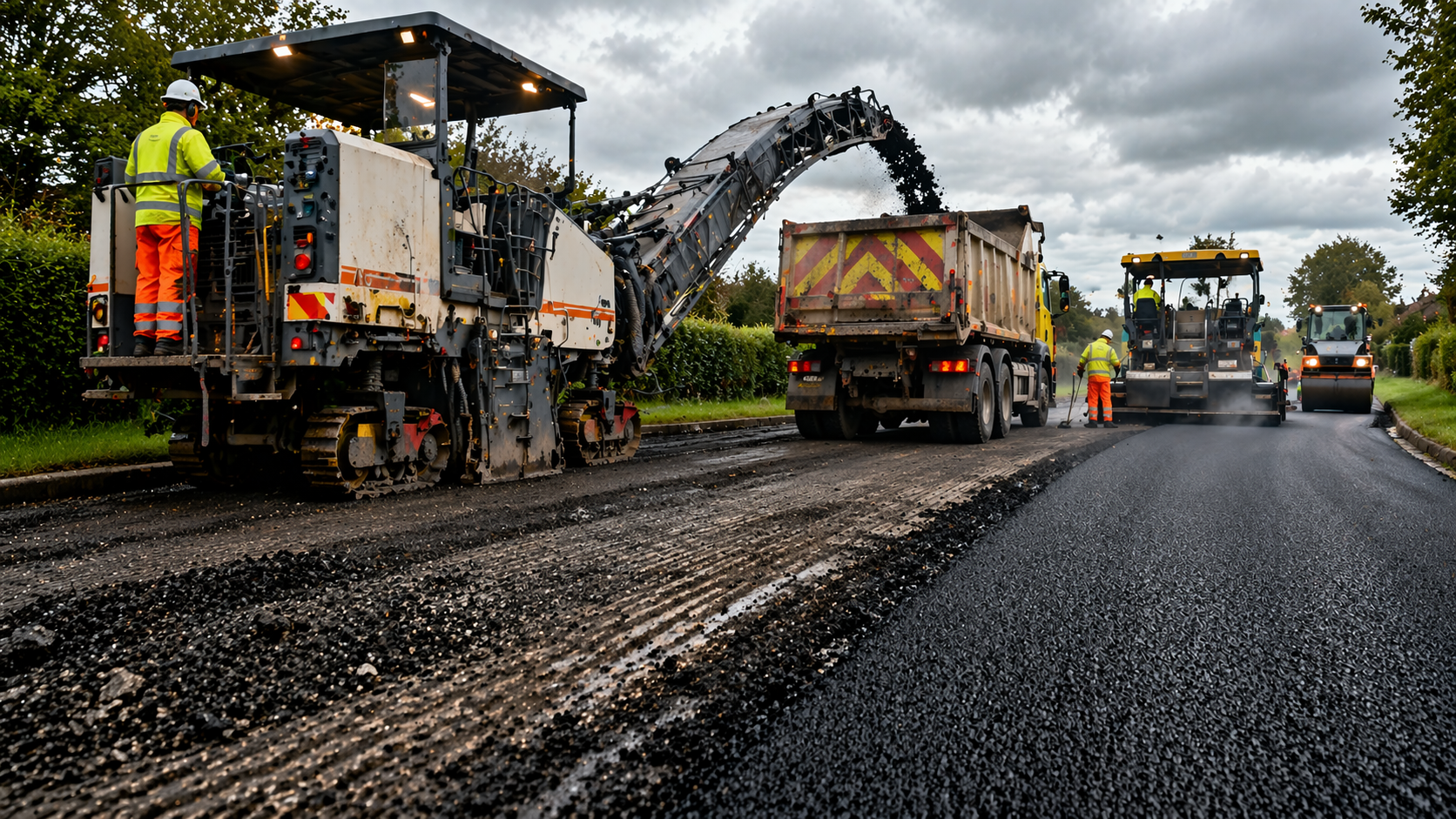
One of the most important developments in sustainable road surfacing is the ability to recycle existing road materials. In many cases, old tarmac or asphalt surfaces do not need to be removed and discarded entirely. Instead, they can be processed and reused.
Reclaimed asphalt, often referred to as RAP, can be incorporated into new surfacing mixes. This reduces the need for virgin materials and significantly lowers the environmental impact of a project. The process also cuts down on waste sent to landfill, making it a practical and responsible solution.
Recycling can take place either off-site, where materials are removed and processed before being reinstalled, or in situ, where the existing surface is treated and reused directly on site. Both methods contribute to more sustainable road surfacing UK practices.
The Role of Tarmac and Asphalt in Sustainability
Tarmac and asphalt remain the most widely used materials for road surfacing in the UK, and they are also among the most adaptable when it comes to sustainability.
Modern tarmac mixes can include a high percentage of recycled content without compromising performance. This makes them a practical choice for projects aiming to reduce environmental impact while maintaining durability.
Professional tarmac installation plays a crucial role in ensuring that recycled materials are used effectively. Proper preparation, temperature control, and compaction are essential to achieving a long-lasting surface.
In addition to recycled content, warm mix asphalt technologies are becoming more common. These require lower production temperatures, which reduces energy consumption and emissions during manufacturing and installation.
Surface Longevity and Environmental Impact
One of the most overlooked aspects of sustainability is durability. A surface that lasts longer requires fewer repairs and replacements, which in turn reduces material usage, labour, and disruption.
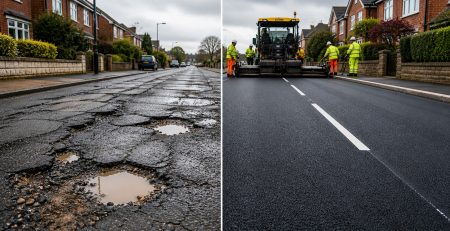
High-quality installation is essential for achieving long-term performance. Poorly installed surfaces may fail prematurely, leading to increased maintenance and a greater environmental footprint over time.
Working with experienced providers of highway surfacing ensures that surfaces are built to withstand traffic loads, weather conditions, and daily use. This reduces the likelihood of early deterioration and supports a more sustainable lifecycle.
Longevity also depends on appropriate material selection. Choosing the right surface for the specific use of the road, whether it is a car park, access road, or industrial yard, is critical to ensuring durability.
Drainage and Water Management
Effective drainage is a key component of sustainable road surfacing. Poor water management can lead to surface damage, potholes, and structural failure, all of which increase the need for repairs and resurfacing.
Sustainable designs incorporate drainage solutions that manage water efficiently, reducing runoff and preventing standing water. This not only protects the surface but also minimises environmental impact.
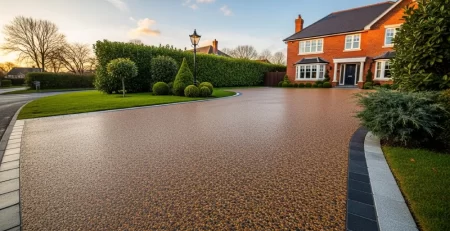
Permeable surfacing options are becoming more widely used in certain applications. These allow water to pass through the surface and into the ground below, reducing pressure on drainage systems and supporting natural water cycles.
Incorporating proper drainage into projects through services like pothole repairs and maintenance ensures that minor issues do not escalate into larger problems requiring extensive work.
Energy Efficiency in Installation
The installation process itself has a significant impact on sustainability. Traditional surfacing methods can be energy-intensive, particularly when high temperatures are required for materials like asphalt.
Newer techniques aim to reduce energy usage without compromising quality. Machine-laid surfacing, for example, provides a more efficient and consistent application, reducing waste and improving surface performance.
Using machine lay tarmac helps achieve a uniform finish with minimal material wastage. This not only improves durability but also contributes to more sustainable project outcomes.
Efficient project planning also plays a role. Minimising transport distances for materials, reducing idle time on site, and coordinating work effectively all contribute to lower emissions and reduced environmental impact.
Maintenance as a Sustainable Strategy
Sustainability does not end once a road surface has been installed. Ongoing maintenance is essential for extending the life of the surface and reducing the need for full resurfacing.
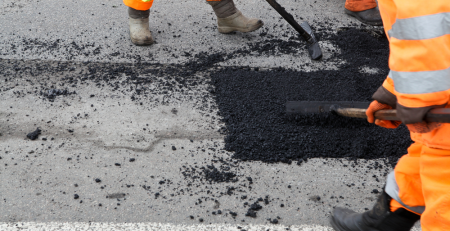
Regular inspections allow early identification of minor issues such as cracks or small potholes. Addressing these promptly prevents further deterioration and avoids more extensive repairs later.
A proactive approach to maintenance reduces both costs and environmental impact. By keeping surfaces in good condition, property owners can maximise the lifespan of their investment while minimising disruption.
Engaging experienced domestic contractors or commercial specialists ensures that maintenance work is carried out correctly and efficiently.
Balancing Cost and Sustainability
There is often a perception that sustainable solutions are more expensive. While some eco-friendly options may involve higher upfront costs, they frequently offer better long-term value.
Reduced maintenance requirements, longer lifespan, and lower environmental impact all contribute to overall cost efficiency. In many cases, sustainable road surfacing UK solutions prove to be the more economical choice over time.
Property owners and site managers should consider the full lifecycle of a surface rather than focusing solely on initial installation costs. Investing in quality materials and professional installation can deliver significant savings in the long run.
Consulting with specialists through contact us ensures that projects are planned with both budget and sustainability in mind.
Choosing the Right Contractor for Sustainable Results
The success of any sustainable road surfacing project depends heavily on the contractor. Experience, expertise, and a commitment to best practices are essential for achieving high-quality results.
Professional contractors understand how to incorporate recycled materials, optimise installation processes, and design surfaces that meet both functional and environmental requirements.
Reviewing previous work through case studies can provide valuable insight into a contractor’s capabilities and approach to sustainability.
Working with a reputable provider ensures that every stage of the project, from planning to completion, is handled with care and attention to detail.
The Future of Sustainable Road Surfacing in the UK
Sustainable road surfacing is continuing to evolve as new technologies and materials are developed. Innovations in recycling, energy efficiency, and surface design are helping to reduce the environmental impact of infrastructure projects across the UK.
As environmental regulations become stricter and awareness increases, sustainable practices are likely to become the standard rather than the exception. Property owners and commercial managers who adopt these approaches early will be better positioned to meet future requirements.
By prioritising durability, efficiency, and responsible material use, sustainable road surfacing UK solutions offer a practical way to balance performance with environmental responsibility.