Resin Driveway Preparation: Professional Tips for Long-Lasting Results
A resin driveway can fail early when preparation is rushed, even if the final stone colour looks perfect. The serious action is to inspect the base, remove weak material, plan drainage, fix edges, clean contamination, and confirm dry working conditions before resin is mixed. The experienced solution is simple: build the surface from the ground up, because resin driveway preparation decides whether the driveway bonds, drains, cures, and carries vehicles properly.
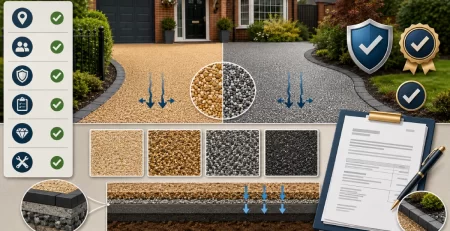
Tip: Strong Resin driveway preparation starts with the right base, drainage, and surface checks before installation.
Resin Driveway Preparation
Resin preparation is the full groundwork stage before the visible finish. It covers inspection, base checks, cleaning, repairs, drainage, edging, weather timing, and access planning. Skip one step, and the finished driveway may crack, cloud, lift, or hold water.
| Preparation Area | What Must Be Checked | Failure If Ignored |
| Existing base | Tarmac, asphalt, concrete, gravel, soil, or paving | Resin cracks or moves |
| Drainage | Falls, channels, outlet, permeability | Puddles and damp patches |
| Surface condition | Oil, moss, dust, cracks, loose areas | Weak bonding |
| Edging | Blocks, kerbs, concrete, or metal trims | Broken or ragged edges |
| Weather | Rain, frost, damp, heat, curing window | Cloudy or failed resin |
| Quote scope | Preparation, waste, base, drainage, curing | Hidden cost disputes |
A resin-bound driveway is not a magic cover for a failed surface. It needs a stable and prepared platform below it. That is why preparation should come before colours, patterns, or finish samples.
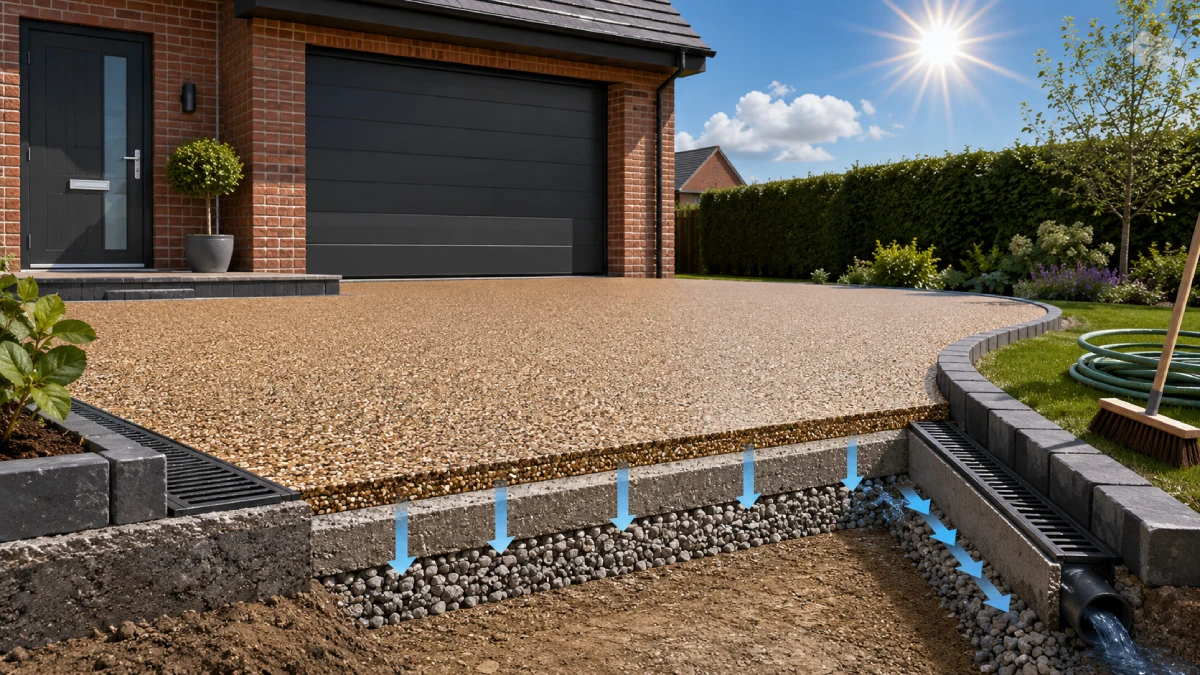
Image prompt: Create a clean infographic-style resin driveway preparation chart showing inspection, base selection, drainage arrows, crack repair, edge restraint, cleaning, drying, and final resin layer. No humans, no readable text, professional UK driveway construction style.
Alt tag: resin driveway preparation
Base Requirements & Material Options
The base carries the driveway, not the resin alone. A good base must be stable, load-bearing, clean, dry, and drainage-compatible. The right option depends on the existing surface, vehicle use, water flow, and whether the system needs to stay permeable.
A stable tarmac, asphalt, or concrete base can be suitable when it is sound. A correctly built porous binder course is often preferred for a free-draining resin-bound system. Loose gravel, soil, grass, and moving block paving are not reliable resin bases without extra groundwork.
| Base Type | Suitability | Main Preparation Need |
| Open-grade tarmac | Strong option | Must be stable and porous |
| Asphalt | Often suitable | Must be sound and clean |
| Concrete | Strong but non-porous | Needs primer and drainage fall |
| Loose gravel | Not suitable alone | Needs full base build-up |
| Soil or grass | Not suitable | Needs excavation and sub-base |
| Block paving | Risky | Movement must be assessed |
Concrete can be strong, but it usually needs drainage planning because it does not naturally let water through. Tarmac can work well if it is stable and correctly laid. For technical base thinking, see this road base layer preparation guide.
Check the Driveway Before Pricing
A quote should not start with a square metre price only. The installer should first inspect the current surface, slope, edges, access, and water movement. A cheap price without inspection often hides missing preparation.
Check whether the driveway is old concrete, tarmac, asphalt, gravel, block paving, or bare ground. Look for cracks, dips, moss, oil stains, loose edging, standing water, and soft areas. These details decide whether resin can be overlaid or whether a full base is needed.
If the driveway has old coating problems, compare the driveway paint durability factors. It explains why a surface layer cannot fix weak structure underneath. The same warning applies to resin when the base is moving.
A proper inspection should also ask about vehicle use. Turning tyres, heavy vans, delivery vehicles, and frequent parking create more stress than light foot traffic. Preparation must match real use, not just the appearance goal.
Step-by-Step New Base Preparation
A new base is needed when the old driveway is failed, loose, soft, or unsuitable. This usually happens with gravel, grass, soil, broken concrete, or unstable paving. New preparation creates the support that resin needs before the final layer is installed.
| Layer Order | Preparation Step | Purpose |
| 1 | Excavation | Removes weak soil or failed material |
| 2 | Ground levelling | Creates correct depth and falls |
| 3 | Geotextile membrane | Separates soil from stone |
| 4 | Compacted aggregate | Builds load-bearing strength |
| 5 | Binder course | Creates a stable laying platform |
| 6 | Edging | Holds resin in shape |
| 7 | Resin-bound layer | Forms the finished surface |
First, failed material must be removed to the correct depth. Soft spots, roots, organic matter, and loose rubble should not stay under a resin driveway. If they remain, the surface may sink or crack later.
Next, the sub-base must be compacted properly. This is not a light rake-and-level job. It needs correct aggregate, repeated compaction, and a firm finish with no movement.
A porous binder course can help the resin-bound surface drain correctly. If the base is not porous, drainage must be directed by slope, channel, or soakaway. For larger hardstanding lessons, see this yard surfacing durability guide.
Drainage Must Be Planned Early
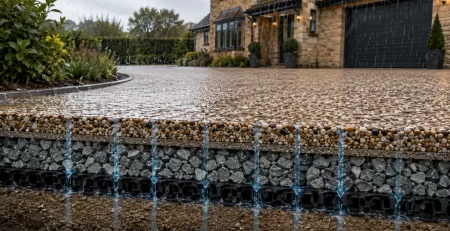
Drainage must be settled before resin is installed. A resin-bound surface can support water flow, but only when the system below it is suitable. If water has nowhere to go, the driveway can still develop puddles and damp areas.
The installer should check where water sits after rain. Low areas near the garage, house, pavement edge, or driveway entrance need careful planning. Drainage should move water away from buildings and into a suitable outlet.
A concrete base may need a clear fall toward a drain or permeable area. A permeable resin-bound system needs the correct base below it. For this decision, use the resin driveway drainage purpose guide.
Drainage channels must connect somewhere useful. A grate that leads nowhere will not solve water problems. For private roads and shared access areas, this estate road drainage planning guide gives stronger drainage context.
Edging Holds the Resin Together
Edging is not decoration only. It locks the resin surface into position and protects the sides from crumbling. Weak edges are one of the easiest ways to make a good driveway look unfinished.
Good edge options include block paving borders, kerbs, concrete edging, and metal trims. The edging should be fixed before resin is mixed. It should also set the final height and finish line.
Turning wheels put pressure on edges. If the border moves, the resin can crack or break away. This is why edge strength must be checked during preparation, not after installation.
Paved driveways have a different edge and joint system. If your current surface is block paving, read the paver sealing timing guide before deciding whether replacement is needed. Sometimes maintenance helps, but moving blocks often need deeper preparation.
Clean and Dry Before Resin Work
Cleaning is part of bonding. Resin cannot bond properly to dust, oil, moss, algae, mud, or loose debris. A surface can look acceptable from a distance but still be contaminated.
Oil stains are especially risky. They can sit deep in concrete or tarmac and weaken adhesion. The stain should be treated before any resin system is considered.
Pressure washing may help remove dirt and moss. The surface must then dry fully before resin is applied. For paver areas beside the resin zone, use this paver surface washing method.
A resin surface also needs the right aftercare once installed. Cleaning methods are different from block paving or bare concrete. For future maintenance, follow this resin surface washing guide.
Adapting Pre-Existing Surfaces & Final Application Conditions
Overlay preparation is different from full reconstruction. The existing surface must be stable, dry, clean, and well-bonded. Cracks, movement, oil, poor drainage, and loose edges must be corrected first.
A stable tarmac or concrete surface may accept resin after preparation. Crumbling tarmac, rocking paving, broken concrete, and standing water are not ready. The installer should never confirm overlay without checking the real surface.
New concrete needs enough curing time before resin work. Fresh tarmac also needs time before it is overlaid. Rushing these stages can create bonding and curing problems.
Final application conditions matter just as much as base work. Resin should not be laid in rain, frost, or damp conditions. Moisture can cause cloudy patches, foaming, weak curing, or surface failure.
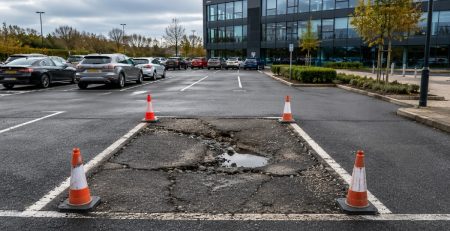
If old asphalt has cracking or movement, check this asphalt surface fatigue guide. It explains why surface cracking often starts below the top layer. Resin should not be used to hide active structural movement.
Tools, Access, and Crew Readiness
Preparation also includes the working area. Resin has a limited working time after mixing, so materials, tools, access, and crew movement must be ready. Poor workflow can leave uneven areas or weak joints.
A professional setup may include clean aggregate, resin components, forced-action mixer, trowels, screed bars, buckets, edge protection, gloves, and cleaning materials. The driveway should be clear of cars, bins, furniture, and loose objects. Access should allow continuous movement from mixing area to laying area.
Narrow gates, steep slopes, parked cars, and poor material storage can slow the job. Slow work can create inconsistent finish and cold joints. For contractor selection before preparation begins, use these resin driveway selection factors.
The quote should confirm preparation details in writing. That includes excavation, base repair, drainage, edging, cleaning, curing, waste removal, and payment stages. Cost should be judged through scope, not just the lowest number.
Mistakes That Cause Early Failure
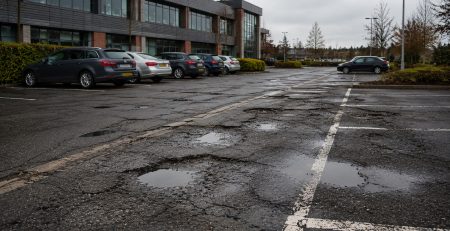
Most failed resin surfaces have a preparation problem. The common causes are weak base, damp conditions, bad drainage, loose edges, poor cleaning, and rushed timing. These failures are avoidable when the groundwork is checked first.
Avoid laying resin over loose gravel, soil, grass, or broken paving. Avoid installing resin on damp surfaces or after rain. Avoid accepting a quote that does not explain the base.
Do not use resin as a cover-up for structural failure. If the driveway is sinking, cracking, or holding water, it needs proper preparation first. Compare wider options with this driveway surface comparison overview.
Cheap preparation can lead to expensive repairs. The better question is not only how much resin costs. It is whether the preparation supports long-term value, which is covered in this resin driveway investment factors guide.
Local Resin Driveway Support
Local support matters when preparation depends on site condition. Soil, rain, existing surface, slope, access, and property layout can change the method. A real inspection is better than a generic quote.
For Bedfordshire projects, compare resin bound driveways in Bedfordshire when your current surface needs base checks, drainage planning, or full preparation. Bedfordshire driveways can include concrete, tarmac, gravel, and older paved surfaces. A local inspection helps confirm the right method.
If you are in Oxford, review resin bound driveways in Oxford before choosing an overlay or full installation. Older properties can have mixed surface conditions and drainage concerns. Preparation should match the driveway, not just the area.
For Cambridgeshire homes, see resin bound driveways in Cambridgeshire if you are replacing gravel, tarmac, or concrete. A proper survey can check the base before resin is agreed. That avoids using resin over a surface that is not ready.
For Essex homes, explore resin bound driveways in Essex when drainage, kerb appeal, and long-term surface quality matter. The installer should check falls and water movement before installation. That keeps the surface decision practical.
For Hertfordshire homes, compare resin bound driveways in Hertfordshire if the existing driveway is stained, cracked, tired, or uneven. The preparation stage should include surface checks, edge checks, and water flow. That is where long-term results begin.
For direct company guidance, contact Total Surfacing Solutions. They can help assess whether cleaning, repair, overlay, or full preparation is the correct route. This is useful before spending money on a surface that may not be ready.
For larger shared or commercial access areas, see this business park access surface guide. Commercial access needs stronger planning than a simple domestic driveway. Load, drainage, and maintenance demands are higher.
Resin Driveway Preparation: Resin Driveways Area Coverage
Resin driveways need the right preparation because the surface depends on stable base work, drainage planning, edging, cleaning, and dry installation conditions. Rain, frost, humidity, heat, dust, vehicle pressure, local property type, and seasonal maintenance challenges can all affect how well the driveway performs after installation.
Resin Driveways in Bedfordshire
Bedfordshire properties often deal with regular rainfall, winter frost, shaded damp areas, and daily vehicle movement from family homes, village properties, and suburban driveways. Loose gravel, cracked concrete, and tired paving can become messy, uneven, or harder to maintain when exposed to changing weather and repeated use. For homeowners who want better kerb appeal, stronger drainage support, and a cleaner long-term finish, resin driveways in Bedfordshire can be a practical upgrade.
Resin Driveways in Cambridgeshire
Cambridgeshire driveways often need careful preparation because flat ground, rainwater movement, seasonal dampness, surface dust, and drainage challenges can affect the finished surface. Rural homes, new-build estates, and larger residential properties may need proper base checks before resin is installed. For properties that need a stable, attractive, and easier-to-maintain surface, resin driveways in Cambridgeshire can help improve everyday access and long-term appearance.
Resin Driveways in Essex
Essex homes may face rain, summer heat, coastal air in some locations, tyre marks, surface dust, and strong kerb appeal expectations from commuter properties, family homes, rental homes, and coastal residences. Salt air, moisture, and frequent vehicle use can make older driveways look faded, stained, or uneven over time. If the existing surface needs better preparation, drainage, and long-term performance, resin driveways in Essex can offer a cleaner and more durable option.
Resin Driveways in Hertfordshire
Hertfordshire driveways are often expected to look smart, clean, and suitable for high-value commuter homes, family properties, and well-kept residential streets. Rain, frost, shaded entrances, moss growth, tyre pressure, and regular parking can make old concrete, tarmac, block paving, or gravel look tired over time. For homeowners who want a decorative surface with stronger base planning and reduced maintenance pressure, resin driveways in Hertfordshire can be a reliable local solution.
Resin Driveways in Oxford
Oxford properties include period homes, townhouses, modern driveways, student rentals, and visitor-heavy residential areas where driveway appearance can strongly affect first impressions. Rain, frost, humidity, shaded entrances, moss, and frequent foot or vehicle traffic can make older surfaces slippery, stained, or uneven. For homeowners who want a finish that suits local property character while supporting drainage, safety, and easier maintenance, resin driveways in Oxford can be a dependable upgrade.
FAQs
Can resin be laid straight over gravel?
No, resin should not be laid straight over loose gravel. Gravel moves under tyres and cannot provide a stable bonded base. It usually needs excavation, compaction, edging, and a suitable binder layer first.
How dry must the base be before resin?
The base should be fully dry before resin is applied. Damp surfaces can weaken bonding and create cloudy or foamed resin. Work should be delayed if rain, frost, or high moisture is likely.
Does resin need Type 1 or Type 3 sub-base?
The correct aggregate depends on strength and drainage goals. Type 1 is often used for strength, while Type 3 supports better permeability. The final choice should match the resin system and site drainage.
Can resin hide cracks in old concrete?
Resin can improve appearance, but it cannot stop active movement below the surface. Cracks should be repaired before resin is installed. Severe cracking may need deeper base work or replacement.
What should a resin preparation quote include?
A quote should include inspection, base condition, crack repair, drainage, edging, cleaning, curing, waste removal, and overlay or full preparation details. It should also explain access and weather timing. Vague quotes are risky.
Conclusion
Resin driveway preparation is the part that decides whether the surface lasts or fails. The stone finish matters, but the base, drainage, edging, cleaning, moisture control, and installation timing matter more. For a safer start, compare resin-bound driveways in Bedfordshire or speak with Total Surfacing Solutions before resin is installed.