Why Tarmac Is Still the UK’s Most Popular Surfacing Choice in 2026
Despite ongoing advances in construction materials and surfacing technologies, tarmac continues to be the preferred choice for roads, car parks, private developments, commercial premises, and residential access routes throughout the UK. In 2026, property owners, developers, local authorities, and businesses are still selecting tarmac because it delivers an excellent balance between performance, affordability, appearance, and longevity.
The demands placed on modern surfacing have increased significantly. Access roads experience heavier vehicles, commercial sites require minimal disruption during installation, and property owners expect attractive finishes that remain functional for many years. Tarmac continues to meet these expectations while offering a practical solution suitable for almost every type of project.
Whether surfacing a new business park, refurbishing an ageing estate road, or upgrading a private access route, tarmac remains one of the most dependable investments available.
Proven Durability for the British Climate
One of the biggest reasons for tarmac’s continued popularity is its ability to perform exceptionally well in the UK’s unpredictable weather conditions.
British roads experience frequent cycles of rain, frost, sunshine, and fluctuating temperatures throughout the year. These constant changes place considerable stress on any surface material. Tarmac has enough flexibility to cope with thermal movement while maintaining its structural integrity, helping to reduce cracking compared with more rigid alternatives.
Modern tarmac mixes have also evolved considerably over recent years. Improved aggregate selection and enhanced bitumen formulations have produced surfaces capable of handling increased traffic volumes while maintaining excellent durability.
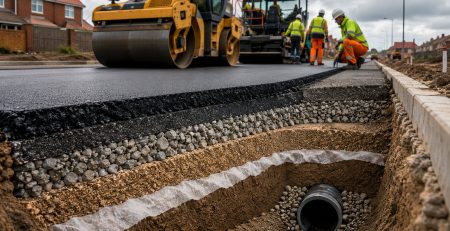
When installed correctly over a properly prepared foundation, tarmac can provide decades of reliable service with relatively straightforward maintenance.
Professional installation through experienced specialists offering tarmac installation ensures the surface achieves its full design life.
Fast Installation Minimises Disruption
Time is often a major consideration for commercial property owners and site managers.
Unlike some surfacing systems that require extended curing periods, tarmac can often be laid and returned to service remarkably quickly. This makes it particularly attractive for businesses where prolonged closures could affect operations or customer access.
Schools, industrial estates, retail parks, healthcare facilities, and commercial premises all benefit from reduced downtime during resurfacing projects.
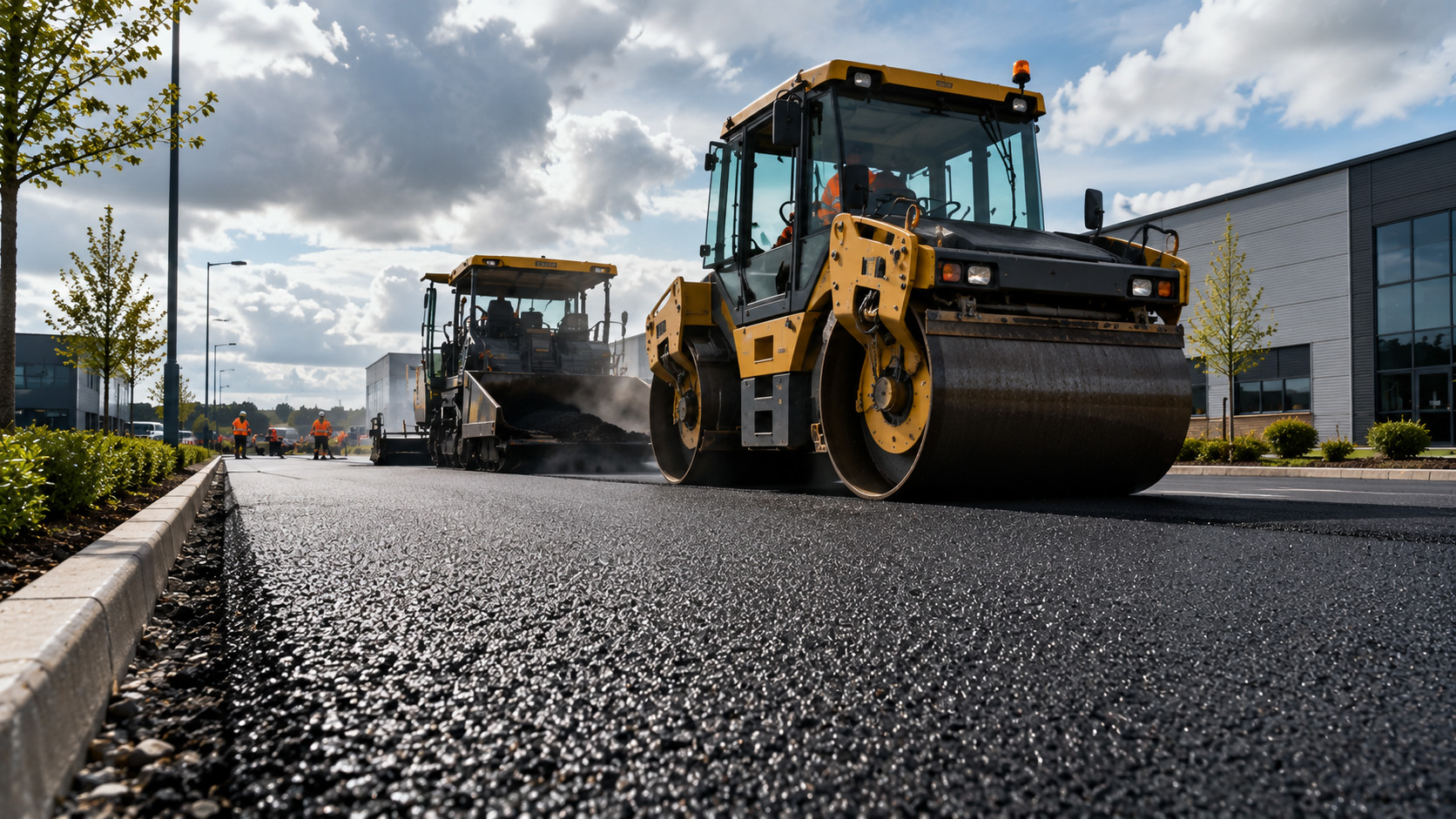
Machine-laid installations further improve efficiency by creating large areas of consistent surfacing in significantly less time than many alternative methods.
Using professional machine lay tarmac techniques allows contractors to achieve smooth, uniform finishes while completing projects efficiently and safely.
Excellent Value Without Compromising Quality
Cost remains an important factor when selecting any surfacing material.
Although initial installation costs vary depending on site conditions and project size, tarmac consistently offers excellent long-term value.
Its combination of relatively low installation costs, long lifespan, and modest maintenance requirements makes it one of the most economical surfacing options available.
Rather than requiring extensive reconstruction, isolated damage can often be repaired quickly before larger problems develop. This reduces lifetime ownership costs and allows maintenance budgets to be planned more effectively.
For commercial organisations managing multiple sites, this predictable maintenance profile is particularly valuable.
Suitable for a Wide Variety of Applications
Another reason tarmac continues to dominate the UK surfacing industry is its remarkable versatility.
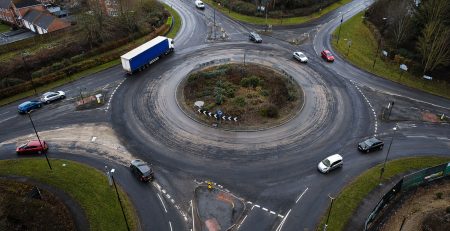
It performs exceptionally well across an extensive range of environments, including residential developments, industrial estates, commercial premises, retail parks, schools, distribution centres, private roads, agricultural facilities, and public highways.
Each application places different demands on the finished surface. Heavy goods vehicles require substantial load-bearing capacity, while residential developments often prioritise appearance alongside durability.
Professional contractors can specify different tarmac mixes and construction methods to suit the intended use, ensuring every installation delivers the required performance.
Specialist commercial surfacing contractors understand these varying requirements and tailor specifications accordingly.
Low Maintenance Requirements
No surface remains completely maintenance free, but tarmac requires relatively little ongoing attention when compared with many alternatives.
Routine inspections help identify minor defects before they become more significant issues. Small cracks can often be sealed, drainage can be maintained, and isolated repairs completed with minimal disruption.
Because repairs can frequently blend into existing surfaces, maintenance work is often less visually intrusive than with other materials.
Regular sweeping, vegetation control around edges, and prompt repair of any isolated defects all contribute towards extending the overall lifespan of the surface.
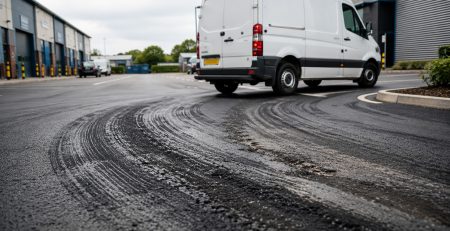
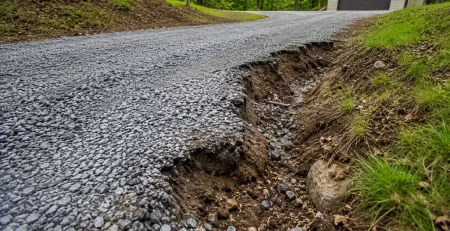
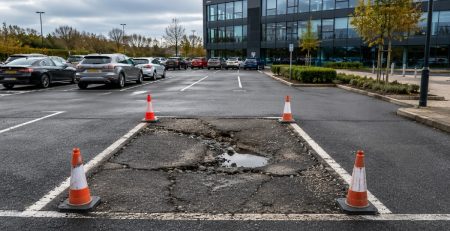
Where damage has occurred through heavy use or weathering, professional pothole repairs can restore safety and prevent further deterioration.
Modern Tarmac Offers Improved Sustainability
Environmental considerations have become increasingly important across the construction industry, and surfacing is no exception.
Modern tarmac production now incorporates greater levels of recycled materials than ever before. Reclaimed asphalt pavement can often be processed and reused within new surfacing projects, reducing waste and lowering demand for virgin aggregates.
Manufacturing processes have also become more energy efficient, with warm mix asphalt technologies helping reduce production temperatures and associated emissions.
Longer-lasting surfaces further contribute to sustainability by reducing the frequency of major reconstruction works throughout a road’s lifecycle.
When properly designed and maintained, tarmac represents a practical balance between environmental responsibility and long-term performance.
Professional Appearance That Lasts
First impressions matter for both commercial and residential properties.
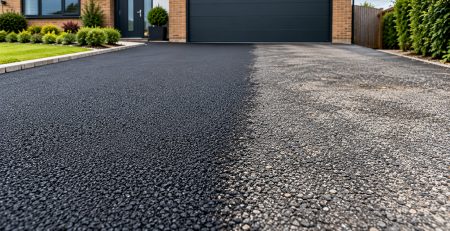
Freshly laid tarmac provides a clean, uniform finish that immediately improves the appearance of roads, entrances, car parks, and access routes.
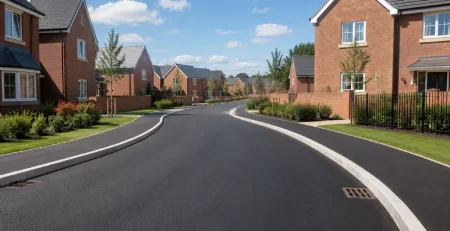
The smooth black surface creates strong visual contrast with kerbs, road markings, landscaping, and surrounding buildings, helping sites appear well maintained and professionally managed.
For businesses, this contributes positively to customer perception while also improving safety through clearer visibility of markings and pedestrian routes.
Although natural weathering gradually softens the initial dark appearance, quality installations continue to provide an attractive finish for many years.
Safety Remains a Major Advantage
Safety continues to be one of the strongest reasons behind tarmac’s popularity.
Its smooth surface provides consistent vehicle handling while helping reduce excessive vibration and noise.
Appropriate surface textures deliver reliable skid resistance in both wet and dry conditions, contributing to safer driving and pedestrian movement.
Proper drainage design further enhances safety by reducing standing water and lowering the likelihood of surface deterioration caused by water penetration.
When installed by experienced contractors, gradients, levels, and falls can all be carefully designed to improve usability while meeting current engineering standards.
This combination of performance and safety makes tarmac suitable for everything from residential driveways to busy commercial access roads.
Ongoing Innovation Keeps Tarmac Competitive
Although tarmac has been used for many decades, it continues to evolve.
Material science has improved binder performance, increased durability, and enhanced resistance to deformation under heavy traffic.
Installation equipment has also become more sophisticated, allowing contractors to achieve increasingly consistent compaction, smoother finishes, and higher overall construction quality.
Digital surveying, laser-controlled machinery, and improved quality assurance processes have further increased installation accuracy across projects of every size.
These ongoing developments ensure that tarmac remains highly competitive even as new surfacing products enter the market.
Rather than being replaced by newer materials, it has continually adapted to meet modern expectations.
Why Tarmac Will Remain the UK’s Preferred Choice
Looking ahead, there is little indication that tarmac will lose its position as the UK’s most widely used surfacing material.
Its combination of affordability, durability, rapid installation, ease of maintenance, environmental improvements, and proven long-term performance continues to make it the logical choice for both public and private sector projects.
Whether upgrading a commercial facility, resurfacing a private road, constructing a new housing development, or improving access around industrial premises, tarmac consistently delivers dependable results that represent excellent long-term value.
Working with experienced surfacing professionals ensures the correct specification, thorough ground preparation, quality materials, and expert installation all come together to maximise the lifespan and performance of the finished surface. Businesses and homeowners can also learn more about completed projects by exploring the company’s case studies or discuss specific project requirements through the contact page.