Where Does the Jointing Sand Between Block Pavers Keep Going?
If you have a block paved driveway, car park, pathway or access area, you may have noticed something frustrating: the sand between the blocks seems to disappear. You replace it, sweep the surface and everything looks right again, only to find the joints becoming empty several weeks or months later.
This is a common maintenance issue with block paving, but it should not simply be ignored. Jointing sand between block pavers performs an important structural function. It fills the narrow spaces between individual paving blocks and helps the blocks work together as a stable surface rather than behaving as completely separate units.
When enough sand is lost, the blocks can become less stable. Small movements can develop under vehicles and foot traffic, weeds may establish more easily in the open joints, and water can penetrate the paving system differently. Over time, a relatively minor maintenance problem can contribute to deterioration of the paved area.
Understanding where the sand is going is therefore the first step towards deciding whether the surface simply needs routine maintenance or whether there is an underlying problem that requires attention.
Rain and Surface Water Can Wash Jointing Sand Away
One of the most common reasons for disappearing jointing sand is water. Block paving is exposed to repeated rainfall throughout the year, and British weather can place considerable pressure on outdoor surfaces.
Normal rainfall should not immediately remove properly installed jointing sand from a well-constructed paved area. Problems are more likely when water regularly flows across the paving rather than draining away effectively.
During heavy rain, moving water can gradually carry fine particles out of the joints. This process may be slow enough to go unnoticed initially. After repeated periods of wet weather, however, the joints can become visibly lower.
The direction of the water can provide useful clues. If sand loss is noticeably worse in particular sections of the driveway or car park, observe what happens during rainfall. Water may be flowing towards these areas because of the falls in the surface, surrounding ground levels or inadequate drainage.
Drainage should always be considered as part of the wider construction of an external paved area. The same principle applies when planning professional surfacing solutions, where managing water correctly is essential to long-term surface performance.
Pressure Washing Is a Major Cause of Sand Loss
Pressure washing can transform the appearance of dirty block paving, but it is also one of the easiest ways to remove jointing sand.
A powerful jet of water directed towards the joints can quickly dislodge the sand between the blocks. Sometimes this is obvious because sand and debris can be seen washing across the driveway. In other cases, the loss becomes noticeable only after the paving has dried.
The problem can be particularly significant when the pressure washer nozzle is held close to the surface or directed straight into the joints. The more aggressively the paving is cleaned, the greater the likelihood of removing substantial amounts of jointing material.
This does not necessarily mean block paving should never be pressure washed. It means the joints should be inspected afterwards and replenished where necessary.
Cleaning a driveway without replacing significant quantities of lost jointing sand can leave the paving looking cleaner while reducing the support between individual blocks. Maintenance therefore needs to consider the condition of the complete paved surface rather than appearance alone.
Everyday Traffic Gradually Moves the Sand
Jointing sand can also be lost through normal use. Cars turning on a block paved driveway, delivery vehicles manoeuvring across commercial paving and repeated pedestrian traffic all place small forces on the surface.
Properly constructed block paving is designed to accommodate regular use, but the individual blocks and their joints are continually subjected to loads. Fine jointing material can gradually settle, shift or be displaced.
Vehicle steering movements can be particularly demanding. When a stationary or slow-moving vehicle turns its wheels, considerable lateral force can be transferred into the paving. If joints are already poorly filled, this movement can accelerate the loss of stability.
This is one reason why the intended use of a surfaced area matters when selecting materials and construction methods. A domestic driveway used by a couple of cars has different requirements from a busy commercial yard or access route.
For sites exposed to more demanding vehicle movements, professionally designed commercial surfacing may provide a more suitable solution depending on how the area is used.
Sweeping Can Gradually Remove Loose Sand
Routine sweeping seems harmless, but repeated aggressive sweeping can remove loose material from the upper part of paving joints.
The amount removed during an individual sweep may be tiny. Over months and years, however, regular cleaning can contribute to a noticeable reduction, particularly if the sand has already become loose because of weather, pressure washing or movement within the paving.
Mechanical sweepers can have a similar effect on larger paved areas. Commercial sites that are cleaned frequently may experience faster joint depletion than lightly used residential paving.
This does not mean that the paving should be left dirty. Instead, the condition of the joints should form part of normal surface maintenance. If joints are becoming shallow, replacing the appropriate material before substantial movement develops is usually preferable to waiting until the blocks become unstable.
Poor Drainage Can Make the Problem Much Worse
Repeated sand loss is sometimes a symptom rather than the main problem.
If you replace the jointing sand and it disappears again unusually quickly, investigate where water is travelling. Poor drainage, incorrect falls or localised depressions can concentrate surface water in particular areas.
Standing water is another warning sign. Puddles that repeatedly develop in the same locations can indicate that the surface is no longer draining as intended. Depending on the cause, this could relate to settlement, the original installation or changes around the paved area.
Drainage issues should be assessed carefully because water affects many different types of external surfacing. Even surfaces such as tarmac installations depend on suitable preparation, levels and water management to perform effectively over the long term.
Simply adding more sand may temporarily improve the appearance of block paving, but it will not correct an underlying drainage defect.
What Happens When Too Much Jointing Sand Is Lost?
The first sign of sand loss is usually visual. Instead of appearing filled close to the surface, the joints begin to look deeper and darker. Dirt can then collect in these spaces.
As the joints become depleted, weeds and moss may become more noticeable. Contrary to a common assumption, weeds do not necessarily grow upwards from soil beneath the entire paved structure. Organic matter, dust and seeds can accumulate within poorly filled joints and provide suitable conditions for growth.
More importantly, extensive loss of jointing material can reduce the interlock between the blocks. Individual units may begin to move slightly under load.
At first, this movement may be difficult to see. Eventually, blocks can become uneven, edges may begin to move and local depressions can form. Once the underlying levels are affected, simply sweeping new sand over the surface may no longer be sufficient.
Early maintenance is therefore important. Replenishing joints is much easier than correcting a paved area that has experienced significant movement or settlement.
Why Does New Jointing Sand Sometimes Disappear Quickly?
If newly applied sand disappears soon after installation, there are several possible explanations.
The joints may not have been completely filled. Sand swept over the top of paving can initially appear to fill the gaps, but it needs to settle properly throughout the available joint depth. If only the upper section is filled, the visible level may drop relatively quickly as the material settles further down.
Weather can also affect recently applied material. Heavy rainfall shortly after re-sanding may remove loose sand before it has properly settled into the joints.
The condition of the paving itself should also be considered. If blocks are moving, the joints may repeatedly open and close under traffic. Continually replacing sand without addressing movement will not necessarily provide a lasting solution.
Where extensive deterioration is present, it can be useful to have the complete surface assessed by experienced domestic surfacing contractors rather than concentrating exclusively on the visible joints.
Is Disappearing Jointing Sand Always a Serious Problem?
Some loss of jointing material over the life of block paving is normal. External surfaces are exposed to rainfall, cleaning, traffic and seasonal weather, so occasional maintenance should be expected.
The important distinction is between gradual loss and rapid, repeated loss.
If a driveway has been pressure washed and the joints subsequently need replenishing, the cause may be straightforward. Similarly, an older paved area that has gradually lost some jointing material over several years may simply require routine attention.
Concern is more appropriate when sand repeatedly disappears from the same locations, blocks are moving, substantial depressions are forming or water is flowing aggressively through particular sections.
These symptoms can indicate that the problem extends beyond the sand itself.
When Block Paving Starts Moving
Loose blocks should not be treated simply as an appearance issue. Movement usually indicates that the paving system is no longer working as effectively as intended.
Block paving relies on several components working together. The blocks themselves are only the visible surface. Beneath them are prepared layers designed to provide support, maintain levels and distribute loads.
If those underlying layers have settled or deteriorated, replacing jointing sand alone cannot restore them.
Movement can sometimes be localised, perhaps around an area that has been disturbed for utility works or where repeated vehicle loads occur. In other situations, deterioration may affect a much larger section.
Professional assessment can help determine whether local lifting and reinstatement is practical or whether a different surfacing approach would be more appropriate.
Block Paving Versus Alternative Driveway Surfaces
Repeated maintenance sometimes leads property owners to reconsider whether block paving remains the right surface for their requirements.
Block paving has several advantages, including its distinctive appearance and the ability to lift individual blocks when access beneath the surface is required. However, its jointed construction means maintenance of those joints remains part of ownership.
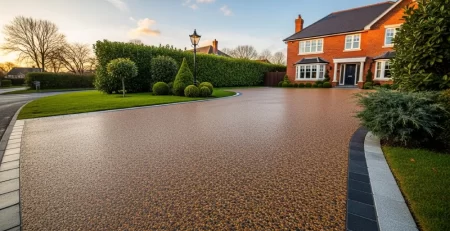
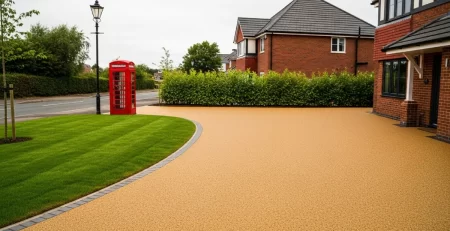
Alternative surfaces behave differently. Resin driveways, for example, provide a different type of finish without the same pattern of sand-filled joints between individual paving blocks.
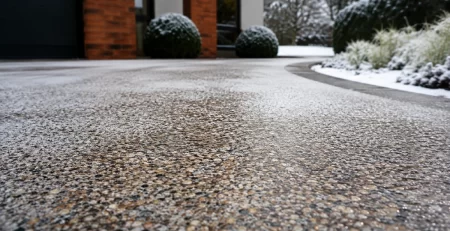
Tarmac is another established option for driveways, roads and access areas. It creates a continuous surface and can be particularly practical where durability, vehicle access and straightforward maintenance are priorities.
There is no single surface that is ideal for every property. The right choice depends on traffic levels, appearance, drainage, site conditions, maintenance expectations and budget.
How to Reduce Future Jointing Sand Loss
The most effective approach is to treat joint maintenance as part of caring for the complete paved area.
After cleaning, inspect the joints once the surface has dried. Areas where the sand level has fallen significantly should not simply be forgotten because the paving looks clean.
It is also worth observing the driveway during heavy rainfall. Look for concentrated streams of water, persistent puddles and locations where water appears to be carrying material away.
Vehicle movements should be considered as well. If the same blocks repeatedly become loose where vehicles turn or brake, the issue may relate to more than routine joint maintenance.
Most importantly, avoid assuming that continually adding more sand will solve every problem. Re-sanding is useful when the paving itself remains stable. Where there is settlement, movement or drainage failure, the cause should be addressed.
Maintaining a Stable Block Paved Surface
So, where does the jointing sand between block pavers keep going? In many cases, it is gradually being washed away, removed during cleaning, displaced by traffic or lost through repeated everyday maintenance. Sometimes it is simply settling deeper into joints that were not completely filled.
The frequency and location of the loss matter. Occasional replenishment can be a normal part of maintaining block paving, while rapid or repeated disappearance may point towards drainage problems, movement or deterioration elsewhere within the paved construction.
Pay attention to changes in the surface rather than focusing only on the sand. Moving blocks, recurring low spots, persistent standing water and joints that empty shortly after being refilled all deserve closer investigation.
A well-maintained external surface should provide safe, practical access while coping with the demands placed upon it. Where an existing driveway or access area has deteriorated beyond straightforward maintenance, experienced surfacing specialists can assess the condition of the site and determine whether repairs, reinstatement or an alternative surface would provide the most appropriate long-term solution.