How Long Before Parking on a New Asphalt Driveway?
A new asphalt driveway can look ready within hours, but the surface remains soft, flexible, and easy to mark during the early curing stage. The serious step is to understand Temperature Matters, Heavy Vehicles, and Initial Usage before placing weight on the surface. The experienced solution is to wait long enough, avoid dry steering, vary parking positions, protect the edges, and delay sealcoating until the asphalt has hardened properly.
Tip: Waiting the recommended time before parking on a new asphalt driveway helps prevent tyre marks, indentations, and surface damage. If you’re planning a new driveway installation, Get A Free Quote from our experienced team.
How Long Before Parking on a New Asphalt Driveway?: Safe Parking Rule
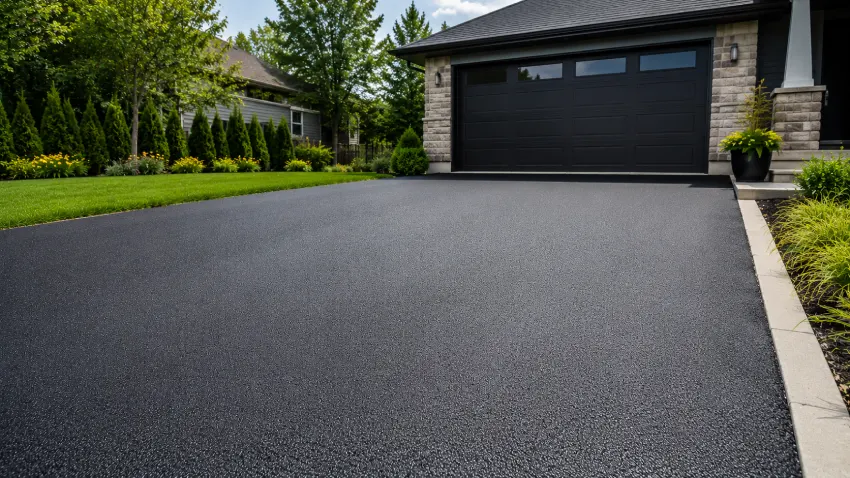
New asphalt needs time to cool, set, and harden before parking. This section explains the safe timing for walking, driving, parking, and protecting the surface.
How Long Before Parking on a New Asphalt Driveway? For most standard cars, a safe rule is to wait at least 3 to 7 days before parking. If the weather is hot, the vehicle is heavy, or the surface still feels soft, waiting longer is the safer option.
You can usually walk on new asphalt after about 24 to 48 hours, but foot traffic is very different from parked vehicle weight. A parked car presses down on the same tyre spots for hours, which can create dents, ruts, or tyre marks.
A trusted driveway contractor, such as Total Surfacing Solutions can advise based on the installation thickness, weather, base condition, and the type of vehicles that will use the drive.
| Use Type | Safer Waiting Time | Why It Matters |
| Foot traffic | 24–48 hours | Light pressure |
| Standard car driving | 3 days minimum | Prevents early marking |
| Standard car parking | 3–7 days | Reduces tyre dents |
| Heavy vehicles | 7–14 days | Prevents rutting |
| Sealcoating | 6–12 months | Allows curing first |
The safest answer is not only about the clock. It depends on temperature, sunlight, vehicle weight, driveway thickness, and how carefully the driveway is used during the first month.
Temperature Matters: Heat Risk
Temperature Matters because asphalt softens in warm conditions. This section explains how heat, sunlight, summer weather, and cooling time affect when you can safely park.
Asphalt is dark, oil-based, and heat-absorbing. In hot weather, it can soften again even after it feels firm in the morning.
If the daytime temperature is high, wait longer before parking. A driveway laid in warm weather may need 7 to 10 days of careful use before regular parking feels safer.
Hot weather risks include:
- Tyre dents
- Surface scuffing
- Soft wheel tracks
- Edge crumbling
- Dry steering marks
- Kickstand depressions
- Trailer jack marks
- Slow curing
In hot weather, park during cooler hours if access is unavoidable. Early morning or overnight parking is safer than parking under the strong afternoon sun.
| Weather Condition | Safer Action |
| Cool and dry | 3 days may be enough |
| Warm and sunny | Wait 5–7 days |
| Very hot weather | Wait 7–10 days |
| Heatwave conditions | Avoid parking longer |
| New asphalt still soft | Keep vehicles off |
A light spray of cool water can temporarily firm the surface in extreme heat, but it is not a cure. It should not be used as permission to park heavy vehicles early.
For homeowners comparing winter or wet-weather driveway safety, resin driveways slippery can help explain how different surfacing materials behave in changing weather.
Heavy Vehicles: Weight Damage
Heavy Vehicles need longer waiting times because concentrated weight can press into soft asphalt. This section explains trucks, SUVs, trailers, skips, delivery vans, and parked loads.
Heavy Vehicles are one of the biggest risks for a fresh asphalt driveway. Even when a standard car can use the surface, a van, truck, camper, trailer, or loaded SUV may still create damage.
A heavy vehicle should usually stay off new asphalt for around 7 to 14 days, depending on weather and installation conditions. If the driveway was laid during hot weather, choose the longer waiting period.
Avoid early parking from:
- Moving vans
- Delivery trucks
- Campervans
- Caravans
- Boat trailers
- Loaded work vans
- Skips
- Heavy SUVs
- Motorhomes
- Trailers with jack stands
The issue is not only total vehicle weight. Small contact points create more pressure. Trailer wheels, jack stands, motorcycle stands, and skips can sink into new asphalt quickly.
| Vehicle or Load | Risk Level | Safer Waiting Time |
| Small car | Moderate | 3–7 days |
| SUV | Higher | 7 days or more |
| Work van | Higher | 7–14 days |
| Trailer | High | 10–14 days |
| Skip or machinery | Very high | Ask the installer first |
If you are planning a driveway extension for larger vehicles, driveway widening cost is useful because vehicle weight affects sub-base depth, material choice, and long-term durability.
Heavy vehicles should not be used as the first test of a new surface. Let the asphalt strengthen before adding concentrated pressure.
Initial Usage: First Month
Initial Usage decides whether a new driveway stays smooth or develops marks. This section explains the first 30 days, parking habits, steering habits, and edge protection.
The first month is the tender stage. The surface may be usable, but it is still vulnerable to dents, scuffs, tyre twisting, oil spills, and concentrated loads.
The most important rule is to avoid dry steering. This means turning the steering wheel while the car is stopped. That twisting motion can tear or scuff the soft surface.
During the first month:
- Keep wheels moving while turning
- Do not park in the same spot every day
- Avoid sharp turns
- Avoid sudden braking
- Keep heavy vehicles off
- Protect the edges
- Keep kickstands off the surface
- Clean oil or fuel spills quickly
- Avoid car jacks without timber support
Varying parking positions helps spread pressure. If the same tyres sit in the same spot every day, the asphalt may form depressions.
| Early Habit | Better Practice |
| Turning while stopped | Roll slightly before turning |
| Same parking spot daily | Vary the position |
| Parking on the edge | Stay central |
| Using a jack stand directly | Place plywood underneath |
| Leaving the oil spill | Clean immediately |
The same planning logic applies to other driveway materials. Homeowners comparing resin driveway advantages and disadvantages should remember that every surface has early-use rules, not only asphalt.
Initial Usage is about restraint. A few careful weeks can prevent years of visible marks.
Surface Protection: Avoid Marks
Fresh asphalt can be damaged by pressure points, fuel spills, edges, and poor cleaning. This section explains how to protect the driveway before it fully cures.
A new asphalt driveway is flexible by design. That flexibility helps it handle movement, but it also means the surface can be marked when it is fresh.
Sharp or narrow objects are risky. Bicycle kickstands, motorcycle stands, trailer jacks, ladders, lawn chairs, skips, and car jacks can leave small dents.
Protect the surface by using:
- Plywood under kickstands
- Timber boards under jacks
- Wide pads under trailers
- Careful parking positions
- Gentle sweeping
- Immediate spill cleanup
- Soft washing where needed
- Edge protection from tyres
Petrol, diesel, oil, and solvents can soften asphalt because they affect the binder. Clean spills quickly with suitable methods before they soak in.
People planning entrance details should understand driveway apron meaning and driveway apron responsibility before changing the point where the driveway meets the road.
| Damage Source | Possible Result | Prevention |
| Dry steering | Scuff marks | Move while turning |
| Kickstands | Small dents | Use plywood |
| Oil spills | Softened patch | Clean quickly |
| Edge driving | Crumbling edge | Stay off the edges |
| Same tyre spots | Depressions | Rotate parking spots |
Edges are especially vulnerable. Try not to drive or park on the outer edge of the driveway because it has less side support.
Sealcoating Timing: Cure First
Sealcoating too early can trap oils and slow proper hardening. This section explains when to seal, why curing matters, and how colour change helps show progress.
Do not sealcoat a new asphalt driveway immediately. Fresh asphalt needs time to release oils and harden through curing.
Many contractors recommend waiting around 6 to 12 months before the first sealcoat. During this period, the driveway may fade from deep black to charcoal grey, which is a normal sign of oxidation and curing.
Sealcoating too early may trap oils inside the surface. That can reduce the driveway’s ability to harden properly.
Before sealcoating, check:
- Has the driveway cured for several months?
- Has the surface changed from black to grey?
- Are there oil stains to clean?
- Are cracks or edge issues repaired?
- Is the weather dry and suitable?
- Is the surface fully clean?
| Timing | Best Action |
| First week | Avoid heavy use |
| First month | Avoid marks and dry steering |
| 3 months | Monitor condition |
| 6–12 months | Consider first sealcoat |
| After sealcoating | Follow sealer curing rules |
For homeowners comparing surfacing choices, paver driveway cost can help weigh asphalt against other driveway systems. Each material has different curing, maintenance, and repair needs.
Sealcoating is maintenance, not a shortcut. It works best after asphalt has had enough time to cure.
Area Coverage for New Asphalt Driveway Parking Time
Local driveway performance depends on climate, shade, traffic use, access shape, and surface choice. These area sections explain how homeowners in Bedfordshire, Cambridgeshire, Essex, Hertfordshire, and Oxford should plan parking time and driveway care.
Resin Bound Driveway Repair In Bedfordshire Resin
For resin bound driveways in Bedfordshire, homeowners comparing resin and asphalt should focus on early-use rules. A new asphalt driveway may need several days before standard parking, while resin-bound surfaces also need proper curing before regular use.
Bedfordshire properties often have compact front drives where cars turn sharply near the entrance. This makes dry steering a serious risk for new asphalt. Keep the vehicle moving slightly when turning and avoid parking in the exact same wheel tracks each day.
If the driveway was widened for better parking, the driveway width guide can help assess whether the layout gives enough room to park without grinding the tyres against the same surface area.
Resin Bound Driveway Repair In Cambridgeshire
For resin bound driveways in Cambridgeshire, flat driveways and open sun exposure can affect early asphalt use. A driveway that receives strong sun may soften during the day, especially in warmer months.
Flat driveways also need careful drainage. If water sits on a new asphalt surface, it can slow down care routines and increase long-term surface problems. Homeowners should check where water goes before relying on the new driveway for regular parking.
If the entrance drainage is complex, driveway culvert can help explain how water movement around access points affects driveway performance.
Modern Resin Driveway In Essex
For resin bound driveways in Essex, many households need the driveway back quickly for daily parking. Even so, rushing onto new asphalt can leave permanent tyre marks.
Essex homeowners with family cars, SUVs, work vans, or delivery access should plan alternative parking for the first few days. Heavy vehicles should wait longer, especially during warm weather.
If the driveway upgrade is part of a parking or resale improvement, driveway increase home value can help weigh kerb appeal against correct curing time. A driveway that looks good but is marked early loses value.
Resin Bound Driveway Repair In Hertfordshire
For resin bound driveways in Hertfordshire, slopes and shaded areas need extra care after asphalt installation. A sloped driveway can increase tyre stress, especially when drivers brake, turn, or hold position on the incline.
Shaded driveways may stay cooler, but they can also remain damp longer. That makes surface care and drainage more important.
If the driveway has a gradient, driveway on slope planning is useful before choosing asphalt, resin, or another surface. Slope affects grip, runoff, and the way tyres stress a new surface.
Resin Bound Driveway Repair In Oxford
For resin bound driveways in Oxford, homeowners comparing driveway surfaces should consider access detail, traditional frontage style, and the transition from driveway to pavement.
A new asphalt driveway near a tight entrance can be scuffed quickly if drivers turn sharply before the surface hardens. If the driveway apron or crossover is involved, the access edge should be strong and properly finished.
Oxford homeowners with older properties may also compare asphalt with resin-bound surfacing for appearance and drainage. Asphalt can be practical, but resin may offer a cleaner finish when installed over the right base.
Final Checklist: Park Safely
Safe parking on new asphalt comes down to timing, temperature, vehicle weight, and careful first-month habits. This section gives a simple checklist before you return to normal use.
Before parking, check:
- Has it been at least 3 days?
- Is the weather hot?
- Is the vehicle heavy?
- Does the surface still feel soft?
- Can you avoid dry steering?
- Can you vary parking positions?
- Are the edges protected?
- Are spills cleaned quickly?
- Are kickstands and jacks supported?
- Has sealcoating been delayed?
A contractor such as Total Surfacing Solutions can help assess driveway surface options, parking needs, and whether resin-bound surfacing may be more suitable for a future upgrade.
| Situation | Safer Choice |
| Standard car, cool weather | Wait at least 3 days |
| Standard car, hot weather | Wait 5–7 days |
| SUV or van | Wait around 7 days |
| Trailer or heavy vehicle | Wait 10–14 days |
| Sealcoating | Wait 6–12 months |
| Dry steering | Avoid completely |
For weak ground, drainage, or widening projects, driveway erosion fixes and muddy driveway fix may help before the next surface upgrade.
A new asphalt driveway rewards patience. Waiting a few extra days is cheaper than repairing dents, ruts, or scuff marks.
Frequently Asked Questions: New Asphalt Parking Time
1. Can I walk on a new asphalt driveway after 24 hours?
Yes, light foot traffic is usually possible after 24 to 48 hours. Avoid dragging bins, ladders, furniture, or sharp objects across the surface because the asphalt is still vulnerable.
2. Can I park on asphalt after 48 hours?
It may be possible in cool conditions, but 3 days is safer, and 5 to 7 days is better for regular parking. Hot weather, heavy vehicles, and soft surface feel require more waiting time.
3. Why does new asphalt mark so easily?
New asphalt contains oils that need time to evaporate and harden. During the early curing stage, tyre pressure, dry steering, kickstands, jacks, and heavy loads can leave dents or scuffs.
4. When can I park a van on new asphalt?
A van should usually wait longer than a standard car. Around 7 to 14 days is safer, especially if the van is loaded, the weather is warm, or the driveway still feels soft.
5. When should I sealcoat a new asphalt driveway?
Do not sealcoat immediately. Many contractors recommend waiting around 6 to 12 months so the asphalt can cure and oxidize before the first protective sealer is applied.