Cheap Driveway Alternatives for UK Homes
Cheap driveway alternatives for UK homes can look inexpensive until excavation, drainage, edging, and sub-base work are added to the quote. Choosing only by the surface price can leave you with spreading gravel, recurring weeds, drainage problems, or a finish that needs replacing earlier than expected. The practical approach is to compare the whole installed cost, how much upkeep you can tolerate, and whether the existing base can be reused. Gravel remains the lowest-cost mainstream choice, while tarmac can make more sense when lower maintenance matters. The cheapest-looking quote is not always the one that saves the most money.
Quick Check: Before choosing a low-cost surface, compare quotes for driveway surfacing in Hertfordshire by checking excavation, sub-base depth, drainage, edging, and waste removal before comparing the final total.
Cheap Driveway Alternatives for UK Homes: Costs

The real cost of cheap driveway alternatives for UK homes depends on more than the visible finish. Current UK ballpark figures put gravel at the lowest end, but groundwork, drainage, disposal, access, and site conditions can change the final spend substantially.
Cheap Driveway Costs: 2026 Comparison
| Driveway material | Approx. installed cost | Main budget issue | Upkeep |
| Gravel | £60/m² | Movement, edging, grids, weeds | Moderate to high |
| Tarmac | £90/m² | Ground preparation and drainage | Low to moderate |
| Concrete | £95/m² | Base preparation and cracking risk | Low to moderate |
| Block paving | £100/m² | Labour, joints, weed control | Moderate |
| Resin bound | £120/m² | Base condition and preparation | Moderate |
These figures are national ballpark estimates, not guaranteed quotations for every property. A small awkward site can cost more per square metre than a large open driveway because machinery access, excavation, disposal, drainage, and hand labour become proportionally more important. Comparing driveway paving project inputs helps explain why apparently similar driveways can receive very different totals.
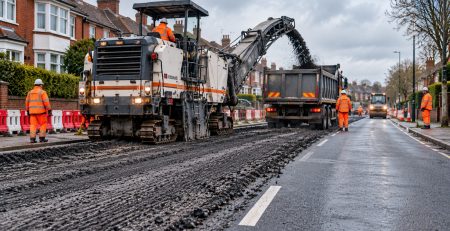
Replacement can also become expensive when the existing surface and base both need removing. Before assuming that complete replacement is necessary, determine whether resurfacing, repair, or partial reconstruction could work, because driveway repaving scope factors can change the amount of excavation and new material required. A sound base can sometimes be more valuable to your budget than choosing the cheapest possible finish.
Budget Driveway Materials for UK Homes
Budget driveway materials differ most in upfront price, movement, cleaning needs, drainage, and the quality of base they require. Gravel is usually the first option to consider, while tarmac becomes attractive when homeowners are willing to spend more initially for easier everyday use.
Gravel Driveways: Lowest Upfront Spend
Gravel is normally the starting point when the goal is the lowest mainstream driveway cost. It is permeable, materials are relatively inexpensive, and parts of the work can be manageable for experienced DIY homeowners. Choosing the right aggregate matters, so check the driveway gravel size criteria before ordering decorative stone.
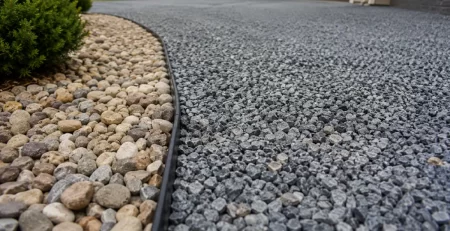
The main complaint is movement rather than structural failure. Loose stone can migrate toward pavements, lawns, borders, and tyre tracks, while poorly restrained gravel can form thin patches that need raking or topping up. Solid edging and gravel grids can reduce this movement without removing gravel’s drainage advantage.
Weeds are another recurring frustration, especially when dust, soil, and organic matter collect between stones. A membrane and correct preparation help, but they do not guarantee a permanently weed-free driveway because seeds can establish from above. Practical gravel driveway weed control should therefore be included in the long-term maintenance calculation.
Tarmac Driveways: Lower-Upkeep Middle Ground
Tarmac generally costs more than loose gravel but requires less routine raking and stone redistribution. It creates a smooth driving and parking surface, which helps explain why some budget-focused homeowners prefer it even when gravel has the lower upfront figure. Understanding tarmac driveway material and labour inputs gives a better comparison than looking at the wearing surface alone.
Real homeowner experience in the supplied research repeatedly favoured tarmac where maintenance mattered as much as initial cost. One homeowner described continued use of an original tarmac driveway after 28 years with periodic repairs, although that should be treated as an individual experience rather than a guaranteed lifespan. The broader tarmac driveway lifespan factors include base quality, traffic, drainage, thickness, weather, and repair timing.
Existing tarmac also offers another possible saving because complete reconstruction is not always necessary. Where the structure remains sound, tarmac driveway resurfacing criteria can help determine whether renewing the upper surface is more sensible than digging everything out. That decision should be made after checking cracks, settlement, drainage, and base stability.
Concrete and Block Paving: Compare the Upkeep
Concrete is sometimes described as a cheap long-term solution, but current comparative figures do not put it below gravel or tarmac on typical installed price. Individual homeowners have reported concrete surfaces lasting for decades, yet those experiences do not mean every concrete driveway will perform the same way. The useful comparison is found in the tarmac and concrete driveway differences rather than assuming one finish always wins.
Block paving usually carries higher material and labour costs than basic gravel or tarmac. Its main maintenance issue is the joints, because weeds, dirt, lost kiln-dried sand, and cleaning can become recurring jobs even when the blocks themselves remain sound. If damaged concrete is already present, concrete driveway resurfacing steps may also be worth assessing before paying for complete replacement.
For homeowners comparing wider driveway finishes, driveway surface material choices in Hertfordshire can be considered alongside gravel, concrete, tarmac, paving, and resin options. In Essex, alternative driveway surface types in Essex provide another location-specific comparison. The important point is to compare the same groundwork specification when looking at different surfaces.
Resin Driveways: Higher-Cost Comparison
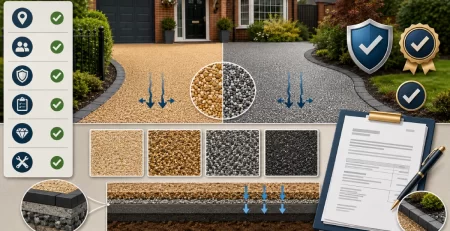
Resin bound surfacing should usually be treated as a higher-cost comparison rather than the cheapest solution. Current ballpark pricing places it above gravel, tarmac, concrete, and standard block paving, although actual quotations depend heavily on area, preparation, access, and the condition of the existing base. These resin driveway material and site factors explain why two resin quotations can differ substantially.
The supplied homeowner research showed mixed resin experiences, which is important. Some people reported fading, cracking, or deterioration, while another reported an 11-year-old resin-bound driveway still performing well with annual cleaning. That makes resin driveway trade-offs more useful than a blanket claim that resin either always fails or always lasts.
Preparation and system quality appear to matter greatly, particularly where vehicles regularly turn, brake, or remain parked in the same position. Understanding common resin driveway failure patterns can help homeowners separate problems caused by the material from problems caused by inadequate foundations or workmanship. Long-term decisions should also consider resin driveway lifespan factors rather than appearance alone.
Location also affects which resin finish and drainage arrangement makes sense. Homeowners comparing low-maintenance resin driveway options in Essex may have different site constraints from those reviewing permeable resin driveway surfaces in Hertfordshire. Neither should be selected purely because the finished surface looks cleaner than loose aggregate.
Money-Saving Tips for Cheap Driveways
The largest savings on cheap driveway alternatives often come from controlling the scope rather than buying the cheapest decorative material. Existing foundations, access, disposal, drainage, and labour determine whether a low-cost surface remains genuinely economical once the complete job is priced.
Groundwork Costs: Where Budgets Expand
The decorative surface can represent only part of the total project. Excavation, grab-hire or skips, hardcore, compaction, drainage, edge restraints, and the removal of unsuitable material can consume a substantial share of the budget. One supplied DIY example for roughly 40m² separately budgeted for scraping, hardcore, membrane, a compactor, grids, gravel, and a dropped kerb.
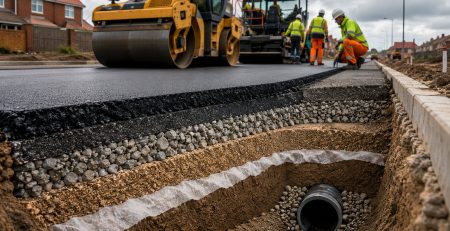
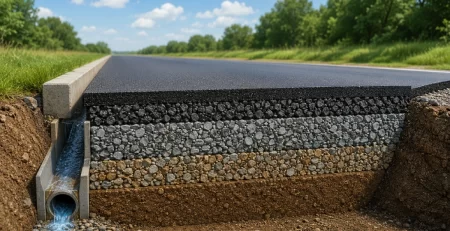
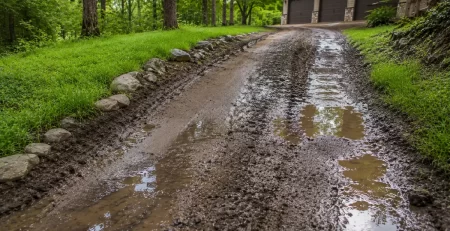
The sub-base is not the place to make careless savings because it distributes vehicle loads and helps prevent settlement and rutting. Cutting excavation depth or compaction simply to beat another quote can leave a cheap driveway needing corrective work much earlier. If surface water is already damaging the drive, a driveway erosion prevention approach should be considered before a new finish hides the symptoms.
Gravel Grids: Control Loose Stone
Gravel grids address one of the most heavily discussed problems with inexpensive gravel surfaces: migration. The cells contain aggregate, spread loading, and help prevent tyres from repeatedly pushing stone away from heavily used areas. They still require correct excavation, base preparation, edging, and filling, so grids should not be treated as a substitute for the foundation.
The extra cost can make sense when homeowners want gravel’s lower material price without constant redistribution. Grids also make future surface changes easier because the driveway can be designed with a stable base that supports later improvement. This staged approach can be useful when the current budget is limited but a different finish may be installed later.
Existing Bases: Repair Before Replacement
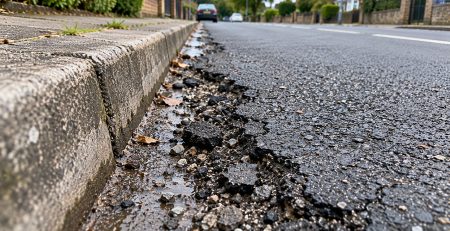
Complete removal is not always the cheapest route when an existing driveway has a sound structural base. Cleaning, patching, local repair, resurfacing, or replacing only failed areas may cost less than excavating the whole site and rebuilding every layer. The decision should depend on settlement, cracking, drainage, edge failure, and the strength of the existing construction.
This is particularly relevant where the visible finish looks tired but vehicles are not creating deep depressions or major movement. Cosmetic deterioration and structural failure are different problems, so they should not automatically receive the same solution. Paying for unnecessary excavation can wipe out the savings gained from choosing a lower-cost surface.
Drainage Rules: Avoid Expensive Rework
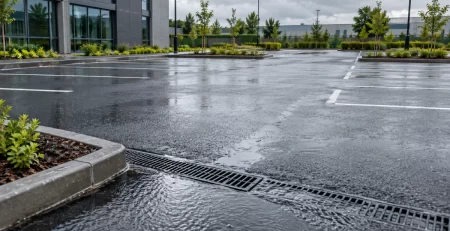
Front-driveway drainage should be checked before choosing an impermeable finish. Current UK guidance generally allows permeable surfaces or arrangements that direct runoff into a lawn, border, or other suitable permeable area, while larger impermeable front surfaces can create planning issues if adequate drainage is not provided. The 5m² rule should therefore never be quoted without explaining the drainage condition.
Gravel naturally fits many permeable designs, while tarmac, concrete, paving, and resin systems need their drainage characteristics assessed correctly. Homeowners looking at resin driveway material choices in Cambridgeshire or resin driveway surface options in Oxford should confirm the complete drainage build-up rather than judging permeability from the surface name alone. Local conditions and the existing ground still matter.
Dropped Kerbs: Budget Separately
A new parking area does not automatically give a homeowner permission to drive across the pavement. Where vehicle access requires a new or altered dropped kerb, the local council process and associated works should be treated separately from the driveway quotation. Failing to include this cost can make a supposedly cheap conversion look much more expensive later.
The same applies to access limitations that affect machinery and waste removal. A contractor working through a narrow entrance may need smaller equipment, more hand labour, or additional material handling, all of which affect the final price. Cheap driveway alternatives should therefore be compared using the same access and enabling-work assumptions.
Cost and Lifespan Comparison for UK Driveways

Cost and lifespan cannot be reduced to one guaranteed number because preparation, traffic, water, maintenance, and workmanship influence every driveway material. The useful comparison combines present-day ballpark cost with real maintenance demands and the longevity evidence available from homeowner experience.
Cheap Driveway Value: Cost Versus Upkeep
| Surface | Approx. installed cost | Real maintenance concern | Longevity evidence in research |
| Gravel | £60/m² | Raking, movement, weeds, topping up | No universal lifespan established |
| Tarmac | £90/m² | Local repairs and surface care | One homeowner reported 28 years |
| Concrete | £95/m² | Cracks and local repairs | Homeowners reported multi-decade examples |
| Block paving | £100/m² | Weeds, cleaning, re-sanding | One homeowner reported 20 years |
| Resin bound | £120/m² | Cleaning and possible surface defects | One homeowner reported 11 years |
These longevity examples are individual experiences, not promised service lives. They are useful because they show why claims such as “resin only lasts a few years” or “concrete lasts forever” are too broad to use responsibly. Construction quality and site conditions can matter as much as the surface label.
For the cheapest upfront route, gravel remains difficult to beat. For homeowners who place a higher value on lower routine maintenance, tarmac can offer a stronger middle ground despite the higher initial spend. Resin and block paving become harder to justify as pure budget choices unless appearance, permeability, repairability, or another site-specific requirement carries more weight.
Cheap Driveway Alternatives for UK Homes by Area
Cheap driveway alternatives for UK homes still need to reflect local site conditions, existing bases, drainage, vehicle loading, and the finish homeowners actually want to maintain. These area links provide relevant resin-surface options when gravel or tarmac is not the preferred finish.
Budget Resin Driveway Choices in Bedfordshire
Bedfordshire homeowners comparing budget surfaces should first decide whether the lower initial spend of gravel or tarmac outweighs the appearance and permeability they want from resin. Stone resin driveway finishes in Bedfordshire are relevant where the surface style matters, but groundwork and drainage still control the real installed total. Resin should therefore be compared on full specification rather than finish alone.
Permeable Resin Surface Ideas in Oxford
Oxford homeowners looking beyond loose gravel may consider resin where permeability and a bound aggregate finish are priorities. Permeable resin driveway choices in Oxford still need a suitable base, drainage assessment, and accurate measurement before they can be compared fairly with tarmac or paving. The cheapest quotation should not win by leaving essential preparation out.
Resin Driveway Finish Choices in Cambridgeshire
Cambridgeshire properties can vary significantly in access, existing surfacing, and drainage conditions, which can change the final cost even when the visible resin finish is similar. Practical resin surface options in Cambridgeshire should be assessed alongside excavation and base requirements. This makes the comparison more useful than simply collecting headline square-metre rates.
Low-Upkeep Resin Surface Ideas in Essex
Essex homeowners deciding between gravel, tarmac, and resin should compare the amount of maintenance each finish creates. Bound aggregate driveway choices in Essex avoid the loose-stone movement associated with basic gravel, although resin normally carries the higher initial cost. A full specification is needed before describing either option as better value.
Decorative Resin Surface Choices in Hertfordshire
Hertfordshire homeowners may start with gravel because of budget but prefer a bound finish where stone movement, accessibility, or appearance is a concern. Permeable bound driveway options in Hertfordshire should still be compared against tarmac and other finishes using the same groundwork assumptions. That prevents a cheaper-looking quotation from hiding a weaker base specification.
Cheap Driveway Choices: Check Before You Commit
Before paying a deposit, compare the full construction specification, not just the surface and headline total. A quote for driveway surfacing in Hertfordshire should make excavation, sub-base, drainage, edging, waste removal, and the chosen finish clear enough to compare like for like. If those details are missing, ask for them before deciding which option is genuinely cheapest.
Cheap Driveway Alternatives: Real Questions
Are cheap driveway alternatives suitable for heavy cars?
Yes, but cheap driveway alternatives need a base designed for the vehicles that will actually use the area. Heavy vans, SUVs, campers, and repeated turning loads put more stress on weak bases than occasional light-car parking. Gravel, tarmac, concrete, and other surfaces can all fail if the supporting layers move, so vehicle weight should influence excavation, sub-base specification, compaction, and surface construction rather than the finish alone.
Which cheap driveway alternatives work on a slope?
Some cheap driveway alternatives are better suited to slopes than loose gravel. Government guidance notes that loose aggregate can migrate and become difficult to control on steeper drives, particularly under braking and heavy rainfall. A bound or solid surface may therefore be more practical even if its initial cost is higher, but drainage becomes especially important because uncontrolled runoff can erode edges, wash material downhill, or carry water toward the highway.
Are cheap driveway alternatives wheelchair friendly?
Accessibility varies significantly between cheap driveway alternatives, so the lowest-cost material may not provide the easiest surface to use. Loose gravel can create resistance for wheelchairs, pushchairs, bins, mobility aids, and narrow bicycle tyres, particularly when aggregate is deep or uneven. A well-contained grid system may improve stability, while tarmac, concrete, paving, or a correctly installed bound surface generally creates a smoother route where accessibility is a priority.
Can cheap driveway alternatives use road planings?
Road planings can sometimes form part of cheap driveway alternatives, particularly for rural drives or hard-standing areas, but they should not automatically be treated as unrestricted bargain surfacing. The source and condition of the material matter, and older road material can raise concerns about tar-containing layers. Homeowners considering planings should confirm what material is being supplied, whether it is appropriate for the intended use, and what preparation is required underneath it.
Can cheap driveway alternatives be installed DIY?
Some cheap driveway alternatives, especially gravel, allow homeowners to carry out more labour themselves than hot-laid tarmac or specialist resin surfacing. DIY savings depend on accurately measuring excavation depth, arranging waste removal, installing the correct sub-base, compacting each layer properly, controlling levels, and providing drainage. Saving labour can be sensible, but trying to avoid necessary groundwork is usually false economy because the finished surface depends on what sits underneath it.
Do cheap driveway alternatives suit narrow access?
Narrow access can make cheap driveway alternatives more expensive because large excavators, rollers, grab lorries, or delivery vehicles may not reach the work area. Contractors may need smaller machinery, additional hand labour, barrowing, or different waste-removal arrangements, which can increase the installed price per square metre. This is why homeowners should show access clearly when requesting quotations rather than comparing generic online rates with a site that has completely different working conditions.