Why Temporary Haul Roads Fail on Construction Sites – And How to Prevent It
Temporary haul roads play a vital role in the success of construction projects. They provide access for heavy machinery, delivery vehicles, earthmoving equipment, and site personnel throughout the construction programme. Without a reliable haul road network, productivity can decline rapidly, operating costs can increase, and safety risks can become more difficult to manage.
Although they are often considered a temporary solution, haul roads are subjected to some of the most demanding conditions found on a construction site. Heavy axle loads, changing weather conditions, repeated vehicle movements, and unstable ground can all contribute to premature deterioration.
When a temporary haul road begins to fail, the consequences extend far beyond surface defects. Vehicle downtime, delayed deliveries, increased maintenance costs, and potential health and safety issues can all affect project performance. Understanding the reasons behind haul road failure is the first step towards creating a more durable and cost-effective access solution.
Understanding How Temporary Haul Roads Fail
Haul road failure rarely occurs because of a single issue. In most cases, a combination of design, construction, drainage, and maintenance problems gradually weakens the road structure until significant defects appear.
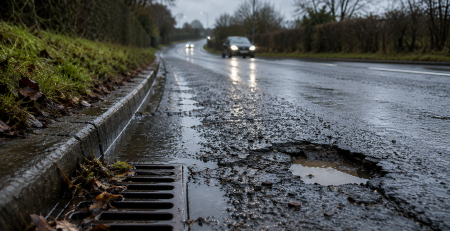
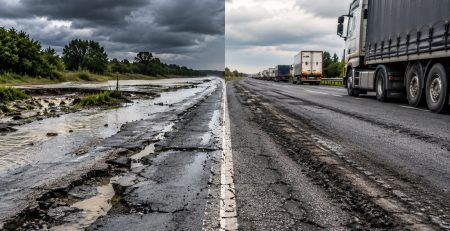
The visible signs of failure often include rutting, potholes, surface deformation, standing water, excessive dust generation, and edge breakdown. While these symptoms are easy to identify, the underlying causes are frequently hidden beneath the surface.
A haul road must be designed to withstand anticipated traffic loads while maintaining stability in changing ground conditions. If any aspect of the design or installation process is overlooked, the road may begin to deteriorate long before the project is completed.
Poor Ground Preparation
Inadequate Site Investigation
One of the most common causes of haul road failure is insufficient understanding of ground conditions before construction begins. Different soil types behave differently under load. Clay soils may become unstable when saturated, while softer ground conditions can experience significant settlement under repeated traffic movements.
Without a proper site assessment, contractors may underestimate the support required beneath the haul road structure. This often leads to surface movement and deformation once construction traffic begins using the route.
Weak Subgrade Conditions
The subgrade forms the foundation of any haul road. If the underlying ground lacks sufficient bearing capacity, the road structure above will struggle to perform effectively.
Heavy construction vehicles exert substantial pressure on the ground beneath them. When weak soils are unable to distribute these loads, rutting and settlement quickly develop. Over time, these defects worsen and can lead to complete road failure.
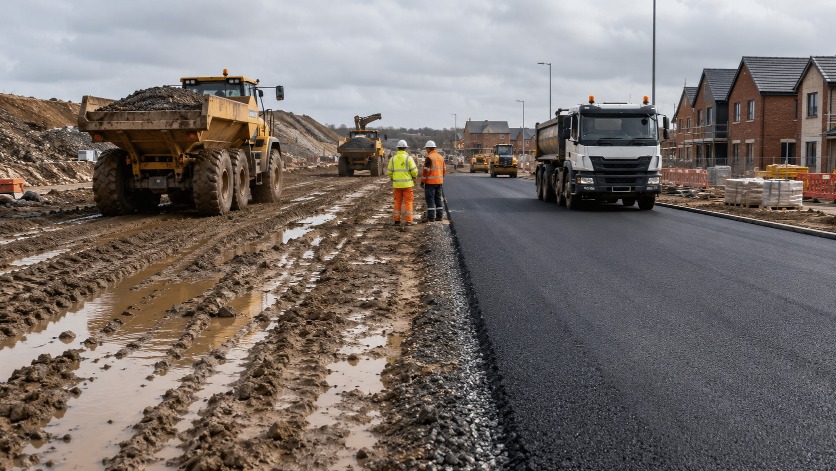
Professional site preparation and appropriate ground improvement measures are essential for achieving long-term performance. Many contractors rely on specialist commercial surfacing contractors to ensure haul roads are built on a stable and suitable foundation.
Insufficient Road Design
Underestimating Traffic Loads
Temporary does not mean light-duty. Construction vehicles often carry significant loads and may use the same routes hundreds of times each day.
A common mistake is designing a haul road based on average traffic requirements rather than peak loading conditions. Articulated dump trucks, concrete wagons, and heavy plant equipment place far greater stress on road structures than standard commercial vehicles.
If the road thickness, aggregate specification, or structural design is inadequate, the surface will deteriorate rapidly under repeated loading.
Narrow Road Widths
Road geometry also affects performance. Haul roads that are too narrow force vehicles to travel repeatedly along the same wheel paths, concentrating loads in specific areas.
This concentrated pressure accelerates rutting and creates uneven wear patterns. Wider haul roads allow traffic to distribute loads more evenly, helping to extend service life and improve site safety.
Drainage Problems
Water Is the Biggest Threat
Water is one of the leading causes of haul road failure. Even a well-constructed road can experience significant problems if drainage is not properly managed.
When water infiltrates the road structure, it weakens the subgrade and reduces the strength of aggregate layers. Saturated materials become less capable of supporting heavy loads, resulting in deformation and surface breakdown.
Standing water also increases the risk of vehicle accidents, creates muddy site conditions, and accelerates maintenance requirements.
Poor Surface Falls
Effective drainage begins with correct road profiling. Surface water should be directed away from traffic areas through carefully designed crossfalls and longitudinal gradients.
Where surface falls are inadequate, water accumulates on the road and gradually penetrates the structure. This often leads to potholes, rutting, and edge deterioration.
Many successful projects incorporate drainage considerations into the earliest stages of planning, alongside the overall tarmac installation strategy.
Unsuitable Construction Materials
Incorrect Aggregate Selection
The quality of materials used in haul road construction directly influences durability. Aggregates that lack suitable grading or strength characteristics may break down under heavy traffic.
Poor-quality materials can generate excessive fines, leading to dust problems in dry weather and muddy conditions during periods of rainfall. This reduces surface stability and increases maintenance demands.
Selecting appropriate aggregates based on anticipated loading conditions helps create a stronger and more resilient road structure.
Lack of Structural Layers
Some temporary haul roads are constructed with insufficient structural depth in an effort to reduce initial costs. While this may appear economical at first, it often results in higher maintenance expenditure throughout the project.
A properly designed layered construction distributes vehicle loads effectively and reduces stress on the underlying ground. Skipping structural layers frequently leads to early deterioration and increased repair requirements.
Heavy Traffic and Operational Challenges
Repetitive Vehicle Movements
Construction sites often create predictable traffic patterns. Vehicles repeatedly travel along the same routes, particularly between excavation zones, material storage areas, and site entrances.
Repeated loading along identical wheel tracks accelerates wear and can create deep ruts. These defects become more severe during wet weather when the road structure is already under increased stress.
Managing traffic routes and periodically adjusting vehicle movements can help distribute wear more evenly across the road surface.
Overloaded Vehicles
Even a well-designed haul road can fail if vehicles consistently exceed expected load limits.
Overloading increases pressure on the road structure and accelerates fatigue within the aggregate layers. This often leads to cracking, settlement, and rapid surface deterioration.
Effective site management should include monitoring vehicle loads and ensuring haul roads are used within their design parameters.
Lack of Ongoing Maintenance
Small Problems Become Major Defects
Temporary haul roads require regular inspection and maintenance. Minor defects such as shallow ruts or localised potholes can often be repaired quickly and cost-effectively.
When maintenance is delayed, these small issues allow water infiltration and structural weakening. What begins as a minor surface defect can eventually require extensive reconstruction.
Routine grading, pothole repairs, and drainage maintenance are essential for preserving road performance throughout the life of a project.
Failure to Adapt to Changing Conditions
Construction sites are constantly evolving. Traffic volumes may increase, site layouts may change, and weather conditions can vary significantly.
Haul roads that performed well during early project phases may require strengthening or modification as demands increase. Regular assessments help identify emerging issues before they become critical.
Where deterioration has already occurred, timely pothole repairs can prevent further damage and reduce operational disruption.
How to Prevent Temporary Haul Road Failure
Invest in Proper Planning
The most effective way to prevent haul road failure is through careful planning before construction begins. Ground investigations, traffic assessments, drainage design, and material selection should all form part of the early project development process.
Understanding expected traffic volumes and loading requirements allows engineers to design a road structure capable of supporting site operations throughout the project lifecycle.
Prioritise Drainage Design
Drainage should never be treated as an afterthought. Effective water management protects the road structure, improves safety, and reduces maintenance costs.
Appropriate gradients, drainage channels, and water control measures help keep the road surface stable even during periods of heavy rainfall.
Use Appropriate Construction Methods
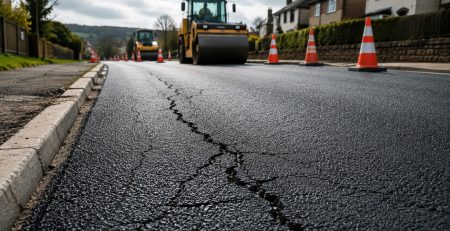
Modern surfacing techniques and specialist equipment can significantly improve haul road performance. Professional installation ensures materials are placed correctly, compacted effectively, and constructed to the required specification.
Many projects benefit from specialist machine lay tarmac solutions where traffic demands justify a more robust surface.
Implement Regular Inspection Programmes
Routine inspections allow site managers to identify developing issues before they affect operations. Monitoring drainage performance, rutting, surface wear, and edge stability helps maintain road integrity throughout the construction programme.
Early intervention is almost always more cost-effective than major reconstruction.
Creating Durable Temporary Access Routes
Temporary haul roads may only be required for a limited period, but their importance to site productivity cannot be underestimated. Failures are commonly linked to poor ground preparation, inadequate design, drainage issues, unsuitable materials, excessive loading, and insufficient maintenance.
By addressing these factors from the outset, construction teams can create safer, more reliable access routes that support efficient project delivery. A well-designed haul road reduces downtime, improves site safety, minimises repair costs, and helps maintain productivity from the first day of construction through to project completion.