Understanding Surface Dressing and When It’s Used
Surface dressing is a preventative road maintenance technique widely used across the UK to extend the life of existing road surfaces. Rather than replacing an entire road or carrying out extensive resurfacing works, surface dressing creates a new wearing layer by applying a bitumen binder followed by a layer of aggregate chippings. Once rolled and compacted, the aggregate becomes embedded into the binder, creating a durable and skid-resistant surface.
This process is commonly used by local authorities, commercial property owners, industrial sites, and private estate managers who want to preserve existing road surfaces before more serious deterioration occurs. Surface dressing helps protect roads from water ingress, weather damage, and the gradual effects of traffic loading.
As part of a wider maintenance strategy, surface dressing can significantly extend pavement life while reducing long-term repair costs. It is often considered an effective alternative to more expensive resurfacing projects when the underlying structure remains sound.
How Surface Dressing Works
The success of surface dressing depends on proper preparation, suitable weather conditions, and professional installation. The process begins with cleaning the existing surface to remove debris, dirt, and loose materials that could affect adhesion.
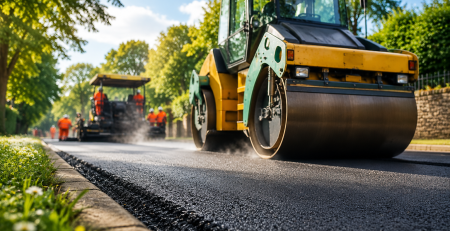
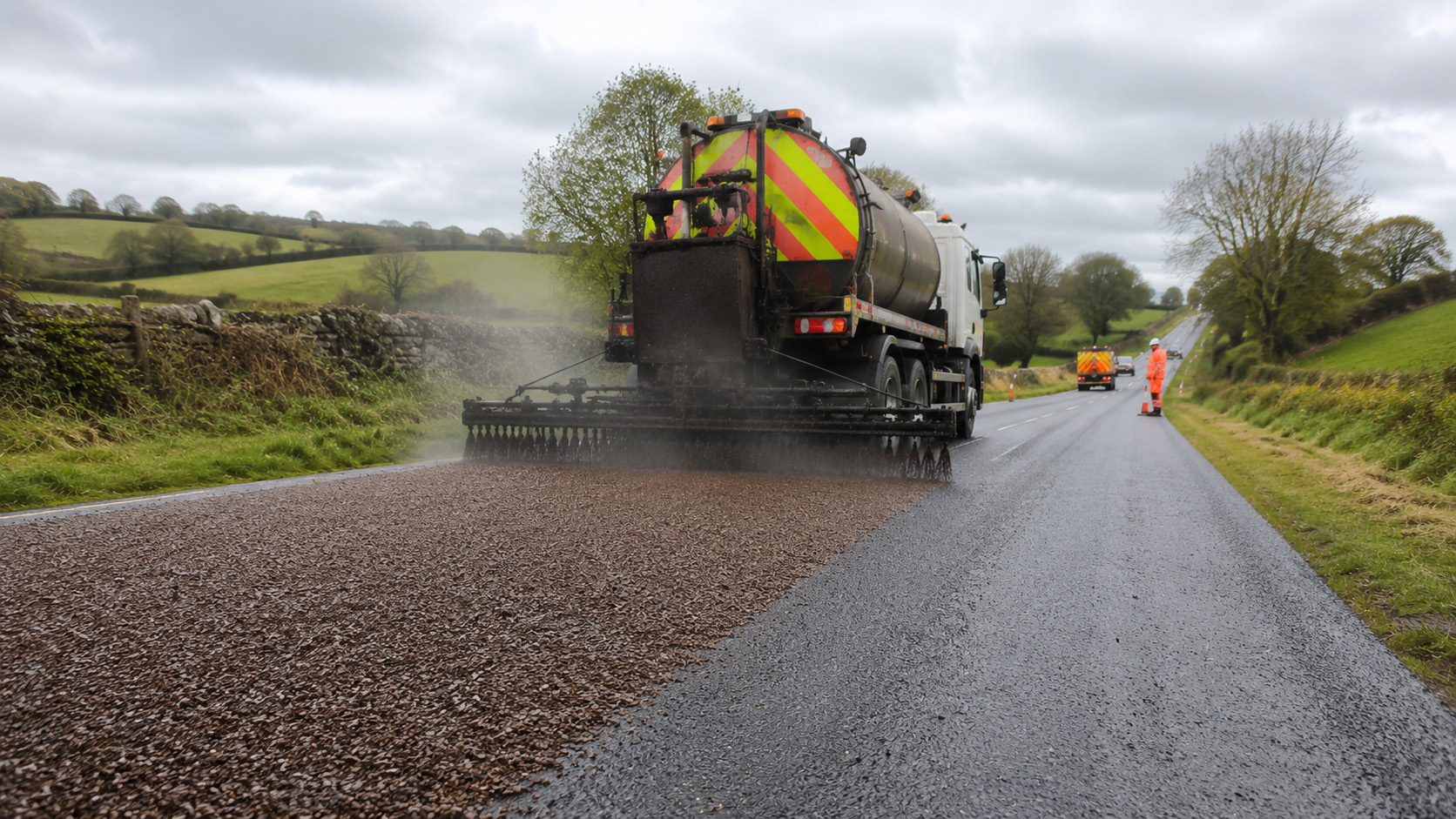
A specialist bitumen emulsion is then sprayed evenly across the surface. Immediately afterwards, carefully selected stone chippings are spread over the binder. These chippings are rolled into place to ensure good contact and embedment.
As traffic begins using the surface, the aggregate settles further into the binder, creating a strong bond that forms a protective layer. Excess chippings are typically swept away after the initial curing period to leave a consistent finish.
Professional contractors often combine surface dressing with other maintenance services such as pothole repairs to ensure defects are addressed before treatment begins.
Why Surface Dressing Is Used
Surface dressing serves several important functions beyond simply improving appearance. One of its primary purposes is to seal the road surface and prevent water penetration. Water is one of the most damaging elements affecting road infrastructure because it can weaken sub-base layers and accelerate deterioration.
The process also restores skid resistance. Over time, traffic polishes road surfaces, reducing grip and increasing safety risks, particularly during wet weather. The fresh aggregate used in surface dressing improves traction and helps maintain safer driving conditions.
Additionally, surface dressing can slow oxidation of existing bituminous surfaces. Exposure to sunlight and changing weather conditions gradually hardens asphalt and tarmac surfaces. By adding a new protective layer, surface dressing helps preserve flexibility and extend service life.
For organisations responsible for large road networks or extensive access routes, surface dressing offers a practical way to maintain infrastructure without the disruption associated with major reconstruction works.
Where Surface Dressing Is Commonly Used
Surface dressing is suitable for a wide range of applications throughout the UK. It is particularly effective on roads that remain structurally sound but are beginning to show signs of surface wear.
Rural Roads
Many county councils use surface dressing on rural roads because it provides a cost-effective method of maintaining long stretches of carriageway. Rural roads often experience weather-related deterioration and surface dressing helps protect these assets while improving skid resistance.
Private Roads and Estates
Private developments, residential estates, and access roads can benefit significantly from surface dressing. Where budgets may not justify full resurfacing, surface dressing can provide several additional years of service from an existing surface.
Property managers often combine preventative maintenance with professional road surfacing services to ensure roads remain safe and functional for residents and visitors.
Commercial and Industrial Sites
Industrial estates, logistics facilities, and commercial premises frequently use surface dressing on internal access roads. These areas require durable surfaces capable of withstanding daily traffic while maintaining safe vehicle movement.
Many businesses work with experienced commercial surfacing contractors to assess whether surface dressing is suitable for their specific site conditions.
Car Parks and Access Routes
Car parks and private access roads may also be suitable candidates. Surface dressing can improve surface texture and prolong lifespan where traffic levels and loading conditions are appropriate.
When Surface Dressing Is Not Suitable
Although surface dressing offers many benefits, it is not the right solution for every situation. The condition of the underlying road structure plays a critical role in determining suitability.
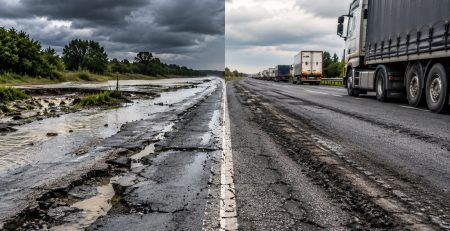
If a surface contains extensive cracking, significant potholes, structural movement, or widespread deformation, simply applying a surface dressing treatment may not address the root cause of the problem. In these cases, more substantial repairs or resurfacing works are often required.
Roads suffering from severe drainage issues may also require corrective measures before any surface treatment can be applied. Without proper drainage, water can continue to damage the pavement structure regardless of the new surface layer.
Professional assessments help determine whether maintenance treatments will provide sufficient value or whether more extensive works are necessary.
The Advantages of Surface Dressing
One reason surface dressing remains popular is its combination of effectiveness and affordability. Compared with full resurfacing projects, the treatment generally requires less material, less labour, and shorter installation times.
Because existing pavement structures are retained, disruption is often reduced. Roads can frequently reopen quickly, minimising inconvenience for road users and site operations.
Another major advantage is the environmental benefit. Extending the lifespan of existing road infrastructure reduces demand for new construction materials and lowers the overall environmental impact associated with reconstruction projects.
Surface dressing also delivers excellent skid resistance, which contributes to road safety. This makes it particularly valuable on routes where maintaining vehicle grip is a priority.
When integrated into a planned maintenance programme, surface dressing helps asset owners maximise the lifespan of their infrastructure while managing costs more effectively.
Weather Considerations for Surface Dressing
Weather conditions have a significant influence on the success of surface dressing works. The process requires appropriate temperatures and dry conditions to ensure proper curing and aggregate retention.
Most surface dressing projects are therefore carried out during warmer months when weather conditions are more predictable. Excessive rainfall shortly after application can affect performance, while low temperatures may prevent the binder from curing correctly.
Experienced contractors carefully monitor forecasts and programme works accordingly. Proper timing helps ensure the aggregate bonds effectively and delivers the intended lifespan.
This focus on environmental conditions is one reason why specialist surfacing expertise is essential when planning maintenance programmes.
Surface Dressing vs Full Resurfacing
A common misconception is that surface dressing and resurfacing are interchangeable. In reality, they serve very different purposes.
Surface dressing is primarily a preventative maintenance treatment. It protects an existing road surface and delays deterioration. It does not significantly increase structural strength or correct major defects.
Full resurfacing, by contrast, involves removing or overlaying existing materials with new asphalt or tarmac layers. This provides a more substantial solution when structural issues are present or when surfaces have reached the end of their service life.
Modern machine lay tarmac installations are often selected when roads require significant renewal rather than preventative maintenance.
The choice between the two approaches depends on factors including surface condition, traffic volumes, budget, and long-term asset management objectives.
Planning a Successful Surface Dressing Project
The most successful surface dressing projects begin with a thorough site assessment. Understanding the condition of the existing pavement helps determine whether the treatment is suitable and what preparation may be required.
Traffic patterns, drainage performance, existing defects, and environmental factors all influence decision-making. Professional contractors evaluate these elements before recommending the most appropriate solution.
For organisations managing multiple sites or extensive infrastructure networks, planned maintenance strategies often deliver better value than reactive repairs. By treating surfaces before serious deterioration develops, property owners can avoid higher future costs and maintain safer operating environments.
Surface dressing remains one of the most effective preventative maintenance techniques available for roads, access routes, and commercial infrastructure throughout the UK. When applied under the right conditions and at the correct stage of a pavement’s life cycle, it can significantly extend surface longevity while providing a safe, durable, and cost-effective solution.