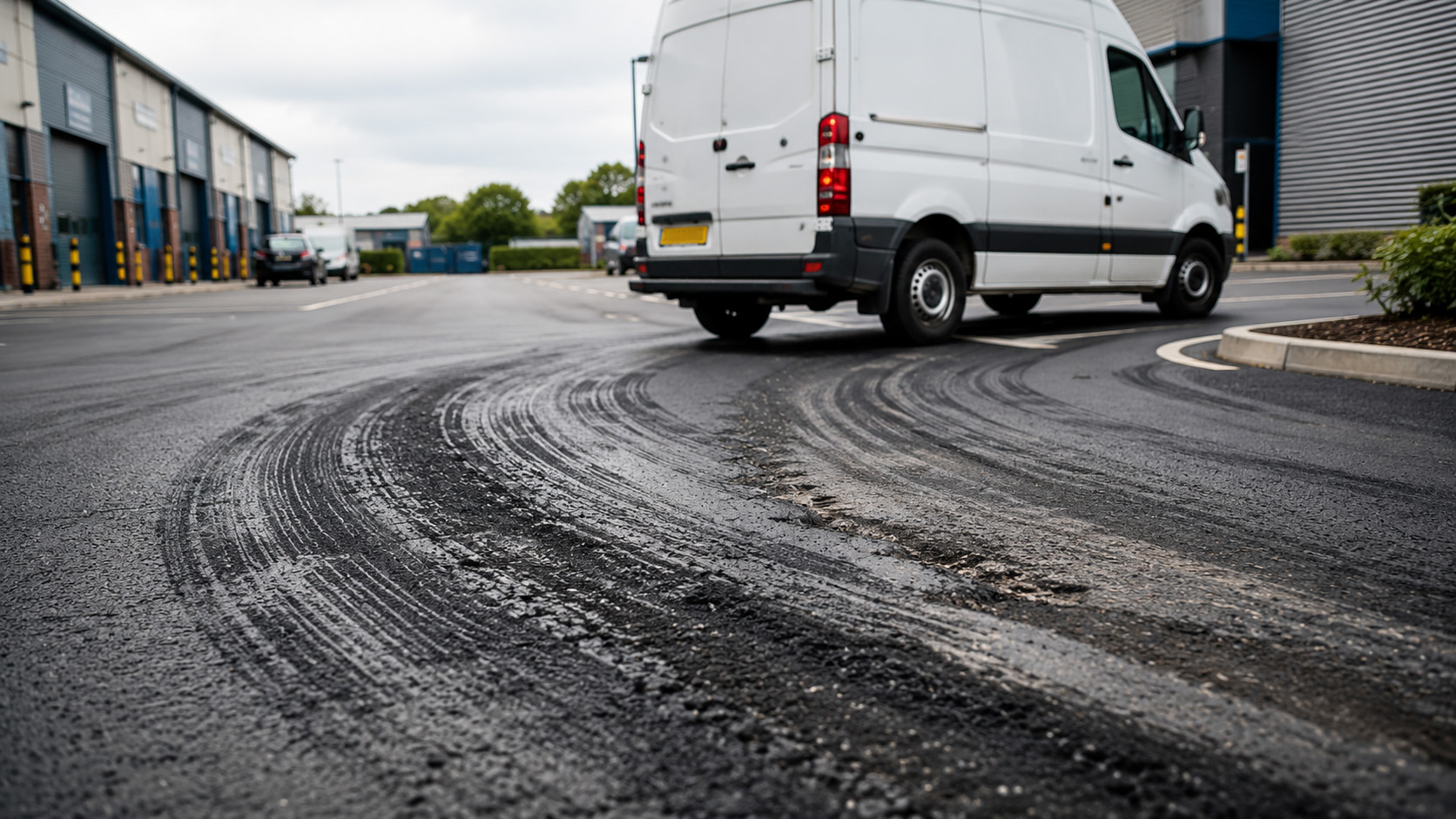
The UK’s Most Damaging Vehicle Isn’t a Lorry
When most people think about road surface damage, they picture articulated lorries travelling along motorways or industrial estates. While heavy goods vehicles certainly contribute to wear, they are not always the most damaging vehicles operating on UK roads and private developments.
In many commercial environments, repeated movements from smaller but heavily loaded vehicles create concentrated stress that exceeds the impact of occasional large lorries. Forklift trucks, refuse collection vehicles, skip lorries during loading operations, buses stopping at designated points, agricultural machinery and construction plant can all place exceptional pressure on road surfaces.
The key factor is not simply vehicle size. It is how the load is transferred through the tyres into the pavement structure and how frequently that loading occurs in the same location.
This is why professional road surfacing begins with understanding traffic patterns rather than simply selecting a surface material. Proper design helps ensure the finished surface performs for many years under real operating conditions.
How Road Surfaces Actually Fail
Road surfaces rarely fail because of a single heavy vehicle. Instead, deterioration develops gradually through repeated loading.
Each wheel passing over the same section of pavement creates tiny amounts of movement within the underlying layers. If the foundation is inadequate or drainage is poor, these movements slowly weaken the structure until cracks begin to appear.
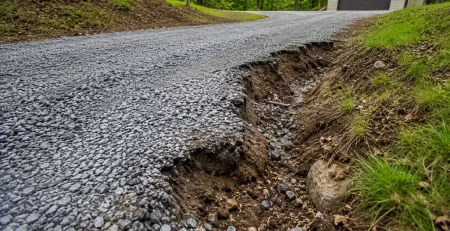
Once water enters through small cracks, deterioration accelerates. Freeze-thaw cycles, vehicle braking and turning movements all increase stress until potholes, rutting or edge failures become visible.
Professional tarmac installation considers these long-term forces during the design stage rather than simply producing an attractive finish on completion.
The Real Culprits Behind Premature Surface Damage
Many commercial premises experience greater wear from vehicles that operate repeatedly within confined areas.
Forklift trucks often carry extremely heavy loads on solid tyres with very small contact patches. This concentrates pressure onto limited sections of pavement, particularly around warehouse entrances and loading bays.
Refuse collection vehicles repeatedly stop, start and turn in residential developments. Their hydraulic lifting operations shift weight dramatically, increasing localised stress on the road surface.
Agricultural machinery has become considerably larger over recent decades. Tractors, combines and trailers frequently travel between fields using private access roads that were never originally designed for modern axle loads.
Construction equipment such as dumpers, excavators and telehandlers introduces additional loading that temporary or permanent access roads may struggle to withstand if not properly engineered.
Even delivery vans can become problematic where thousands of daily movements occur within distribution centres or retail parks.
Why Turning Movements Cause More Damage Than Straight-Line Traffic
One of the biggest contributors to road deterioration is vehicle manoeuvring.
When vehicles brake, accelerate or turn sharply, horizontal forces combine with vertical loading. This creates shear stress within the asphalt layers, gradually weakening the bond between aggregates and bitumen.
Roundabouts, junctions, loading bays and car park entrances therefore experience much greater wear than long straight sections of roadway carrying similar traffic volumes.
This explains why isolated patches of failure often appear despite the remainder of the road remaining in good condition.
Modern surfacing specifications can strengthen these high-stress areas by selecting suitable materials and increasing pavement thickness where required.
The Importance of Designing for Actual Traffic
Successful surfacing projects begin with understanding how the road will be used.
A private residential estate has very different loading requirements from a logistics depot, school, industrial yard or agricultural facility.
Vehicle types, traffic frequency, seasonal usage, turning locations and anticipated future demand should all influence the pavement design.
Experienced commercial surfacing contractors assess these factors before recommending construction methods, ensuring the finished surface provides long-term value rather than requiring premature repairs.
Why Foundations Matter More Than the Surface
The visible asphalt or tarmac layer is only one part of a complete pavement structure.
Beneath it sits the binder course, sub-base and prepared ground, each contributing to the road’s overall strength.
If any of these layers are inadequate, the surface above will eventually fail regardless of how well it has been laid.
A professionally engineered foundation spreads vehicle loads across a much wider area, reducing stress and helping prevent cracking, rutting and settlement.
This is particularly important where heavier service vehicles regularly access commercial or industrial premises.
Drainage Plays an Equally Important Role
Water remains one of the greatest threats to any road surface.
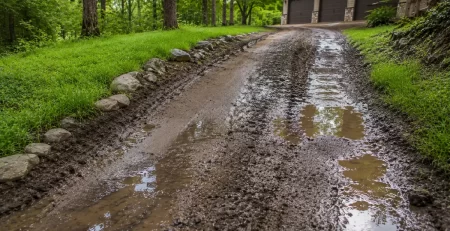
Poor drainage allows moisture to penetrate underlying layers where repeated traffic gradually weakens the pavement.
Standing water also increases the likelihood of pothole formation, particularly during colder months when freezing temperatures expand trapped moisture.
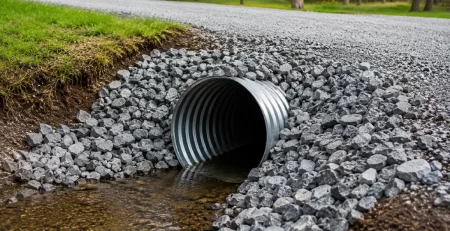
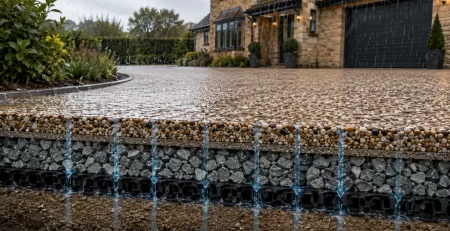
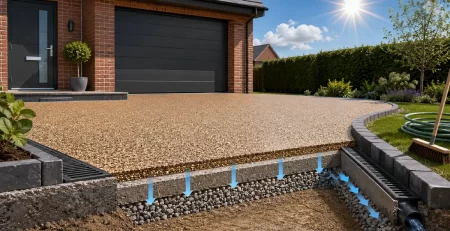
Correct falls, drainage channels and effective edge detailing all help preserve structural integrity while extending the service life of the surface.
Roads designed with drainage in mind generally require less reactive maintenance throughout their lifespan.
Preventative Maintenance Extends Surface Life
Every road surface will eventually require maintenance, but early intervention prevents minor defects becoming major reconstruction projects.
Small cracks can often be sealed before water enters the pavement structure.
Localised repairs may restore isolated areas before deterioration spreads.
Regular inspections also identify drainage issues, surface polishing and edge deterioration before safety becomes compromised.
Where defects have already developed, timely pothole repairs help maintain safe access while protecting the surrounding pavement from further damage.
Choosing the Right Surfacing Solution
Selecting the correct surfacing specification is about balancing expected traffic, environmental conditions, maintenance requirements and long-term costs.
A surface designed solely around initial installation cost may require significantly higher maintenance expenditure over time.
Conversely, investing in a pavement engineered for actual vehicle loading often delivers lower whole-life costs through improved durability and fewer disruptions.
Professional contractors evaluate every project individually, considering current usage alongside future operational requirements to recommend the most appropriate construction method.
Conclusion
The UK’s most damaging vehicle is not necessarily the largest one on the road. Damage is more closely linked to repeated loading, concentrated tyre pressure, turning movements and whether the pavement has been designed to accommodate those conditions.
Understanding how different vehicles interact with road surfaces allows property owners and site managers to make informed decisions about surfacing specifications, maintenance planning and long-term asset management. By combining sound engineering, quality materials and effective drainage, roads can remain safe, durable and cost-effective for many years, regardless of the vehicles that use them.