Five Signs Your Industrial Estate Needs Resurfacing
Industrial estates experience some of the highest levels of wear and tear of any commercial environment. Heavy goods vehicles, delivery vans, forklifts, employee traffic and changing weather conditions all place constant pressure on access roads, loading areas and parking facilities. Even surfaces that were professionally installed will eventually show signs of deterioration.
Ignoring these early warning signs often results in more extensive damage, increased repair costs and disruption to businesses operating on the estate. Identifying problems early allows property owners and facilities managers to schedule resurfacing at the right time, protecting both the infrastructure and the businesses that rely upon it every day.
Professional commercial surfacing contractors can assess the condition of existing surfaces and recommend whether repairs or complete resurfacing offer the most cost-effective solution.
Cracking Is Becoming More Widespread
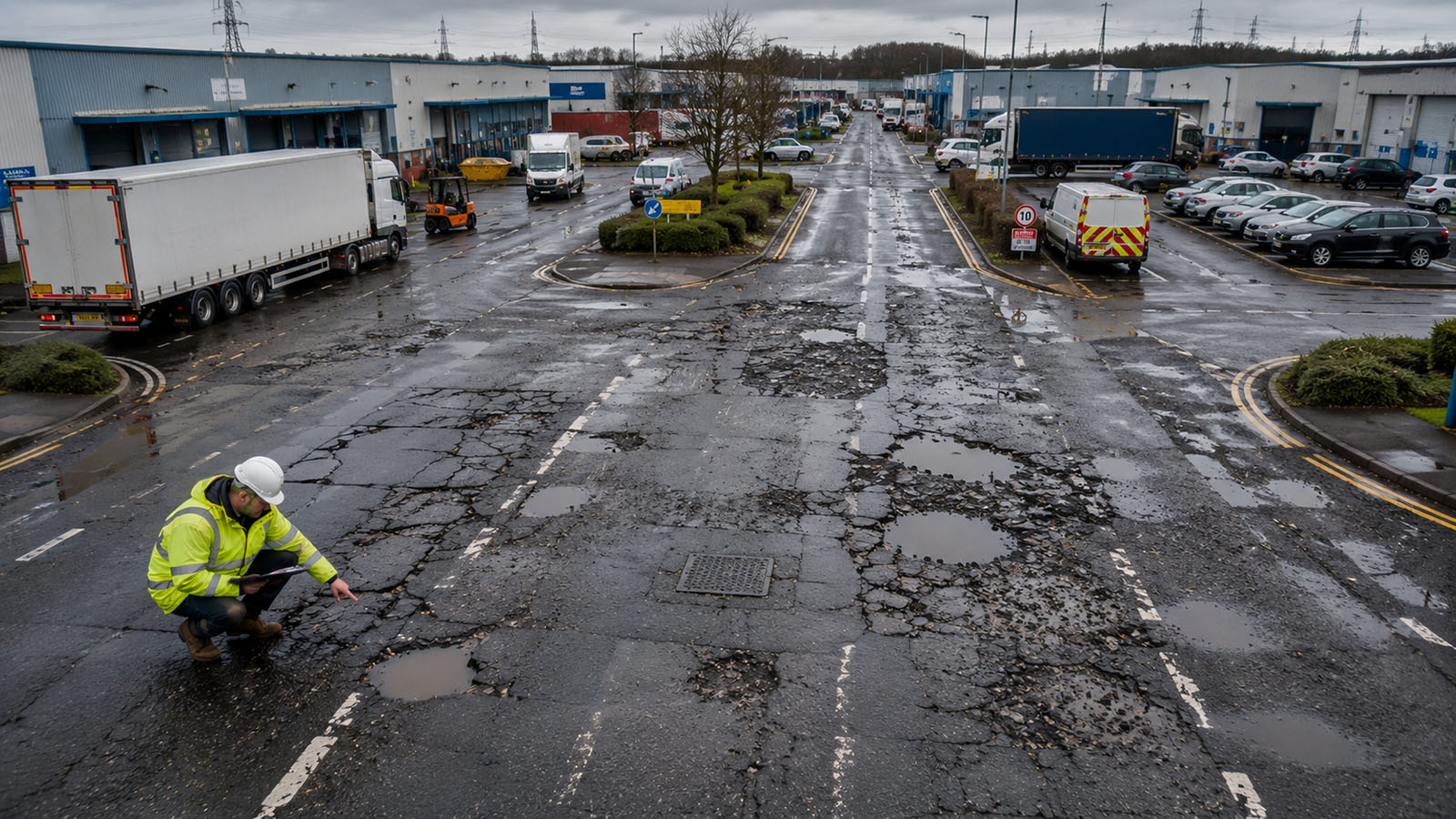
One of the earliest indicators that resurfacing may be required is the appearance of cracking across the surface. Small hairline cracks may initially seem insignificant, but they allow water to penetrate beneath the surface layers.
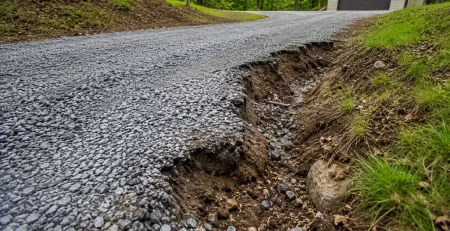
Once moisture reaches the foundation, repeated freezing and thawing during the British winter accelerates deterioration. Heavy vehicles travelling across weakened areas place additional stress on the pavement, causing cracks to widen and multiply.
Over time, what began as minor cosmetic damage can develop into structural failure requiring far more extensive reconstruction. Addressing widespread cracking through resurfacing restores structural integrity while preventing further water ingress.
Potholes Are Appearing More Frequently
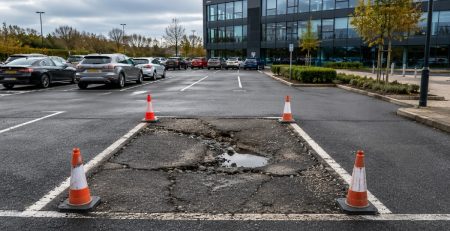
Potholes are among the clearest signs that an industrial estate surface has reached the point where repairs alone may no longer be sufficient.
Repeated patching can temporarily restore isolated defects, but when potholes begin appearing in multiple locations it often indicates that the overall pavement has deteriorated beyond economical repair.
Frequent pothole formation creates several problems. Vehicle suspension suffers increased wear, delivery schedules may be disrupted, pedestrians face greater trip hazards and standing water often develops within damaged areas.
Where deterioration has become widespread, investing in professional pothole repairs may provide temporary relief, but a full resurfacing programme is often the longer-lasting and more economical solution.
Drainage Problems Are Becoming More Noticeable
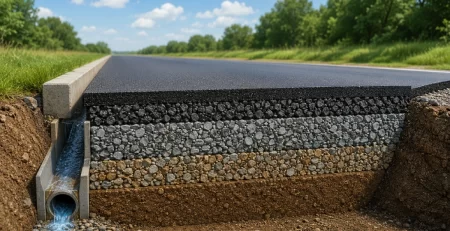
Effective drainage plays a vital role in maintaining industrial estate roads. If water regularly pools after rainfall, the surface is likely beginning to lose its designed profile.
Standing water accelerates deterioration by penetrating small surface defects and weakening the underlying layers. It also creates safety concerns for both vehicles and pedestrians while increasing the likelihood of ice forming during colder months.
Drainage issues can develop gradually as surfaces settle or wear unevenly through years of heavy traffic. During resurfacing works, contractors can restore appropriate gradients and levels, allowing rainwater to drain efficiently and reducing future maintenance requirements.
The Surface Has Become Uneven
An industrial estate should provide a smooth, stable surface capable of supporting constant commercial traffic.
When surfaces become uneven, vehicles experience increased vibration, loading operations become less efficient and employee safety may be compromised. Uneven surfaces often indicate deeper structural issues beneath the wearing course rather than simple cosmetic defects.
Sunken areas, rutting caused by heavy vehicles and differential settlement all suggest that resurfacing should be considered before further damage develops.
Professional tarmac installation and road surfacing services can restore a consistent, durable finish that is designed to withstand the demands of commercial traffic.
The Estate Is Beginning to Look Neglected
First impressions matter for every commercial premises. Customers, suppliers, contractors and prospective tenants all form opinions about a business long before entering the building.
Faded surfacing, extensive patch repairs, cracking and worn markings can make an otherwise well-maintained estate appear neglected. While appearance may seem secondary to structural performance, deteriorating surfaces often reflect underlying maintenance issues that can influence confidence in the site.
Resurfacing not only restores functionality but also significantly improves the overall presentation of an industrial estate, creating a cleaner, more professional environment for everyone using the site.
Why Delaying Resurfacing Can Increase Costs
Many property owners understandably attempt to maximise the lifespan of existing surfacing. However, postponing resurfacing beyond the optimal point frequently results in substantially higher costs.
Minor defects gradually spread throughout the pavement structure. Water enters through cracks, foundations weaken, repairs become more frequent and operational disruption increases. Eventually, complete reconstruction may become necessary where resurfacing alone would previously have been sufficient.
Planning resurfacing before widespread structural failure develops allows projects to be completed more efficiently, often reducing both direct costs and business interruption.
Choosing the Right Surfacing Solution
Every industrial estate has different operational demands. Some experience constant HGV traffic, while others accommodate lighter commercial vehicles throughout the day.
A professional site assessment considers traffic volumes, drainage performance, existing construction, future usage and budget before recommending the most suitable surfacing specification.
Machine-laid asphalt and tarmac solutions provide durable finishes capable of supporting demanding commercial environments while delivering consistent surface quality across large areas.
Selecting experienced contractors ensures proper preparation, high-quality materials and installation techniques that maximise the lifespan of the finished surface.
Maintaining a Newly Resurfaced Estate
Although resurfacing significantly extends pavement life, ongoing maintenance remains important.
Routine inspections help identify minor issues before they become major defects. Keeping drainage channels clear, addressing isolated damage promptly and removing debris all contribute to preserving the condition of the new surface.
A proactive maintenance programme reduces long-term expenditure while helping industrial estates maintain safe access for employees, customers and delivery vehicles throughout the year.
Conclusion
Industrial estate surfaces naturally deteriorate over time, particularly under the demands of heavy commercial traffic and the UK’s changing weather conditions. Widespread cracking, recurring potholes, poor drainage, uneven surfaces and an increasingly worn appearance all indicate that resurfacing should be seriously considered.
Acting before structural deterioration becomes extensive allows property owners to protect their investment, improve safety and minimise disruption. Professional resurfacing restores both the appearance and performance of industrial estates, providing a durable surface capable of supporting commercial operations for many years to come.
For expert advice or to arrange a professional assessment of your site, visit the Contact Us page to discuss your resurfacing requirements.