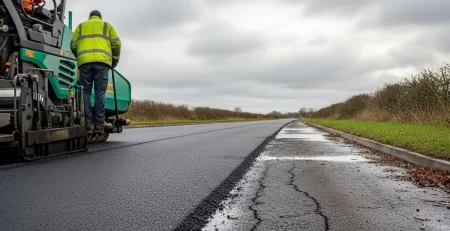
What Causes Small Holes to Turn Into Large Potholes?
A small hole in a road, car park or access route can appear relatively harmless at first. It may only affect a small area of the surface and cause little disruption to vehicles using the site. However, minor surface defects rarely remain the same size once water, traffic and changing weather conditions begin acting on them.
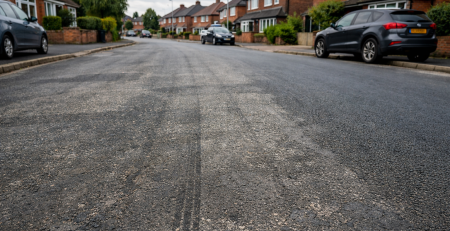
Potholes usually develop progressively rather than appearing without warning. A small crack or localised area of surface deterioration allows moisture to enter the pavement structure. Vehicle movements then place repeated pressure on the weakened area, gradually loosening material and increasing the size of the defect. If deterioration continues unchecked, a small repair can become a much larger problem involving the surface and potentially the layers beneath it.
Understanding why this happens can help property owners and commercial site managers identify deterioration earlier and arrange appropriate repairs before the affected area becomes more extensive.
How Does a Pothole Begin?
A pothole often starts with a weakness in the existing road surface. This could be a crack, a damaged joint, a small depression or an area where the surfacing material has begun to break apart.
Road surfaces are designed to distribute vehicle loads across the pavement structure. When the surface remains intact, it helps protect the supporting layers underneath. Once that protective surface is compromised, however, water and debris can enter areas that were intended to remain sealed.
The initial defect may be very small. In some cases, drivers and pedestrians may barely notice it. The important issue is not simply the visible size of the hole but what is happening beneath and around it.
Professional pothole repairs are intended to address damaged areas before continued deterioration creates a larger and more disruptive surface failure.
Water Is One of the Main Causes of Pothole Growth
Water plays a major role in turning minor road defects into larger potholes.
Once cracks or openings form in the surface, rainwater can penetrate into the pavement. If the supporting material beneath becomes saturated, its ability to provide stable support can be reduced. The surface above is then exposed to vehicle loading without the same level of structural support.
This is particularly important on commercial access roads, private roads and car parks where vehicles repeatedly travel across the same routes. Each wheel movement can place additional pressure on an already weakened section.
Water can also spread through cracks beyond the immediately visible defect. As a result, the weakened area beneath the surface can sometimes be larger than the hole visible from above.
Good drainage and a properly constructed surface therefore work together. The objective is not only to provide a smooth driving surface but also to prevent unnecessary water penetration and move surface water away efficiently.
Why British Weather Can Make the Problem Worse
The UK climate provides conditions that can accelerate deterioration because road surfaces are regularly exposed to rain, temperature changes and prolonged damp periods.
When water enters a crack and temperatures fall sufficiently, freezing can cause that moisture to expand. As conditions become warmer, the ice thaws. Repeated changes can gradually increase cracks and weaken the surrounding material.
Even where severe freezing is limited, persistent rainfall can still contribute to deterioration. A road surface that regularly retains standing water or receives water through damaged edges and cracks can experience ongoing moisture penetration.
This is one reason surface condition and drainage should be considered together rather than treated as completely separate issues. A durable tarmac installation and road surfacing project requires suitable preparation and construction so that the completed surface can cope with normal UK conditions.
Traffic Gradually Breaks Away Weakened Material
Water may weaken the road structure, but traffic often provides the repeated mechanical force that turns a small defect into a substantial pothole.
When a vehicle wheel crosses a damaged area, the road experiences a combination of downward loading and movement. If the material around the hole is already cracked or poorly supported, small pieces can begin breaking away.
Once material has been removed, the edges of the pothole become exposed to further impact. The next vehicles passing over the area can loosen additional material, gradually increasing both the width and depth of the defect.
This process can accelerate on heavily used roads. Commercial yards, industrial premises, delivery areas and business access routes may experience frequent movements from vans, lorries and other heavy vehicles. Greater axle loads can place significant stress on areas where the pavement has already started to fail.
For sites experiencing demanding vehicle movements, appropriately specified commercial surfacing is important because the surface and supporting construction need to reflect the type and frequency of traffic expected.
Poor Drainage Can Accelerate Surface Failure
Standing water is often an indication that drainage or surface levels deserve attention.
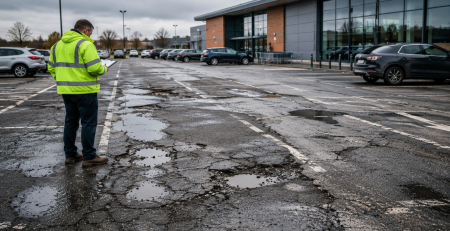
A road or car park should generally be constructed so that water is directed towards suitable drainage points rather than being allowed to remain in depressions. Where water repeatedly collects in the same area, existing cracks and small defects are exposed to moisture for longer periods.
A depression can also develop into a cycle of deterioration. Water gathers in the low point, enters weaknesses in the surface and contributes to further damage. As material deteriorates, the depression becomes deeper, allowing more water to collect.
Repairing the visible hole without considering why water consistently reaches or remains in that location may therefore fail to address the underlying cause.
Site managers noticing repeated potholes in the same areas should consider whether drainage, surface falls, vehicle movements or the condition of the supporting layers could be contributing to the problem.
The Condition Beneath the Surface Matters
A pothole is visible at the surface, but the condition underneath it can determine how serious the repair needs to be.
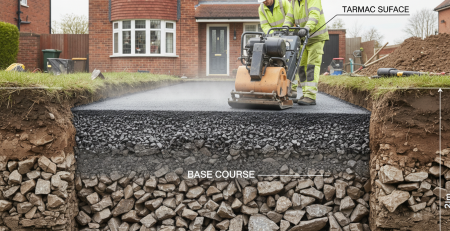
Road surfacing relies on stable supporting layers. If those layers have weakened, moved or become saturated, simply filling the uppermost part of a hole may not provide a durable solution.
This is why proper assessment matters. The damaged and unstable material may need to be removed so the repair can be formed against sound surrounding construction. The exact approach will depend on the extent of deterioration and the condition of the existing pavement.
Where more substantial resurfacing is required, consistent installation can be achieved using methods such as machine-laid tarmac, particularly across larger areas where an even finish and controlled installation are important.
Why Pothole Edges Continue to Deteriorate
As a pothole becomes larger, its edges become increasingly vulnerable.
A small surface opening may initially have relatively limited exposed edges. Once pieces of material begin breaking away, however, traffic starts striking the perimeter of the defect. These repeated impacts can cause cracks to extend into the surrounding surface.
The shape of a pothole can therefore change quickly once deterioration reaches this stage. Sections that appear sound from above may already have lost support underneath, leaving edges that can break away when subjected to further vehicle loading.
This helps explain why delaying a repair can significantly increase the amount of material that eventually needs attention.
Heavy Vehicles Can Turn Minor Damage Into a Larger Defect
Not every road experiences the same loading conditions.
A residential driveway carrying cars is exposed to different forces from a commercial access road regularly used by refuse vehicles, delivery lorries or heavy goods vehicles. Areas where vehicles brake, turn or manoeuvre can also experience additional stresses.
On commercial premises, loading bays, entrances, turning areas and frequently used routes deserve particular attention. A minor defect in one of these locations may deteriorate more quickly because virtually every vehicle entering the site passes over it.
The correct surfacing specification should therefore reflect how the area is actually used rather than simply its dimensions. A road that looks similar to another site may require different construction because of traffic volume, vehicle weight and manoeuvring patterns.
Why Early Pothole Repair Usually Makes Sense
The progression from a small hole to a major pothole is driven by continued exposure. Water enters the damaged area, traffic applies repeated loads and weakened material gradually breaks away.
Addressing the problem earlier can limit the opportunity for this cycle to continue.
Early repairs can also help protect the surrounding surface. Once cracking spreads beyond the original defect, a greater area may require removal and reinstatement. Where deterioration reaches supporting layers, the repair can become more involved than dealing with a shallow localised defect.
For property owners and site managers, regular visual inspections are therefore useful. Changes in surface texture, cracking, loose aggregate, depressions and small holes can all indicate that deterioration is beginning.
Can a Pothole Simply Be Filled?
A durable pothole repair involves more than placing new material into an existing hole.
The condition of the damaged area needs to be considered first. Loose or failed material can prevent the repair from forming a reliable connection with the surrounding pavement. The depth of the defect and the stability of the underlying construction also affect the appropriate repair method.
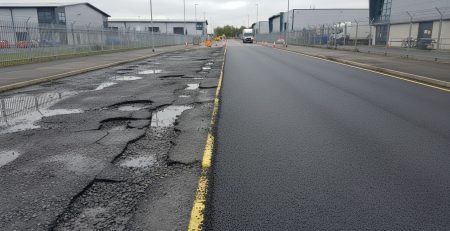
Where the surrounding road remains structurally sound, a local repair may be sufficient. Where widespread cracking, deformation or repeated pothole formation is present, broader resurfacing could provide a more appropriate long-term solution.
The distinction matters because treating the visible symptom without addressing unstable material underneath can result in the same area failing again.
When Does a Small Pothole Become a Bigger Site Management Issue?
Size alone does not determine how urgently a pothole should be considered.
Its position is equally important. A relatively small hole on a heavily used access route may create more disruption than a larger defect in a rarely used section of a site. Potholes close to entrances, pedestrian routes, loading areas or frequently used parking spaces can also affect day-to-day site operation.
Surface defects may cause drivers to brake suddenly or change direction to avoid them. They can make vehicle movements less comfortable and potentially create difficulties for cyclists and pedestrians.
On a commercial site, deterioration can also affect the overall condition and presentation of access areas. Keeping roads and car parks in suitable condition is therefore part of maintaining functional external infrastructure rather than simply improving appearance.
Preventing Small Defects From Becoming Major Potholes
The most effective approach is to pay attention to the road before substantial potholes have developed.
Regular inspection allows small cracks, depressions and damaged areas to be identified while they remain manageable. Drainage should also be observed during or shortly after rainfall because this makes areas of standing water easier to identify.
The wider condition of the surface should be considered at the same time. One isolated pothole may indicate a local defect, while numerous holes, widespread cracking or deformation can suggest that deterioration is affecting a larger section of pavement.
Where significant surfacing work is required, experienced highway surfacing contractors can assess the existing condition and determine an appropriate approach for the road and its expected use.
Acting Before Surface Damage Spreads
Small holes become large potholes because the forces responsible for the original damage continue working on the weakened area. Moisture enters through openings, supporting material can lose stability, vehicle loads break away damaged surfacing and British weather provides repeated wetting and temperature changes.
Once the process begins, leaving a defect untreated gives deterioration more time to spread beyond the original hole. The eventual repair may then involve a larger area and potentially deeper sections of the pavement construction.
For property owners and commercial site managers, the practical approach is to monitor surfaced areas regularly and investigate defects before they become extensive. A small hole should be viewed as an early indication that the integrity of the surface has been compromised rather than simply as a cosmetic imperfection.
Timely assessment and appropriate repair can help preserve the surrounding pavement, maintain safer and smoother access and reduce the likelihood of a minor surface defect developing into a much larger pothole.