Can Driveway Sealer Go Bad?
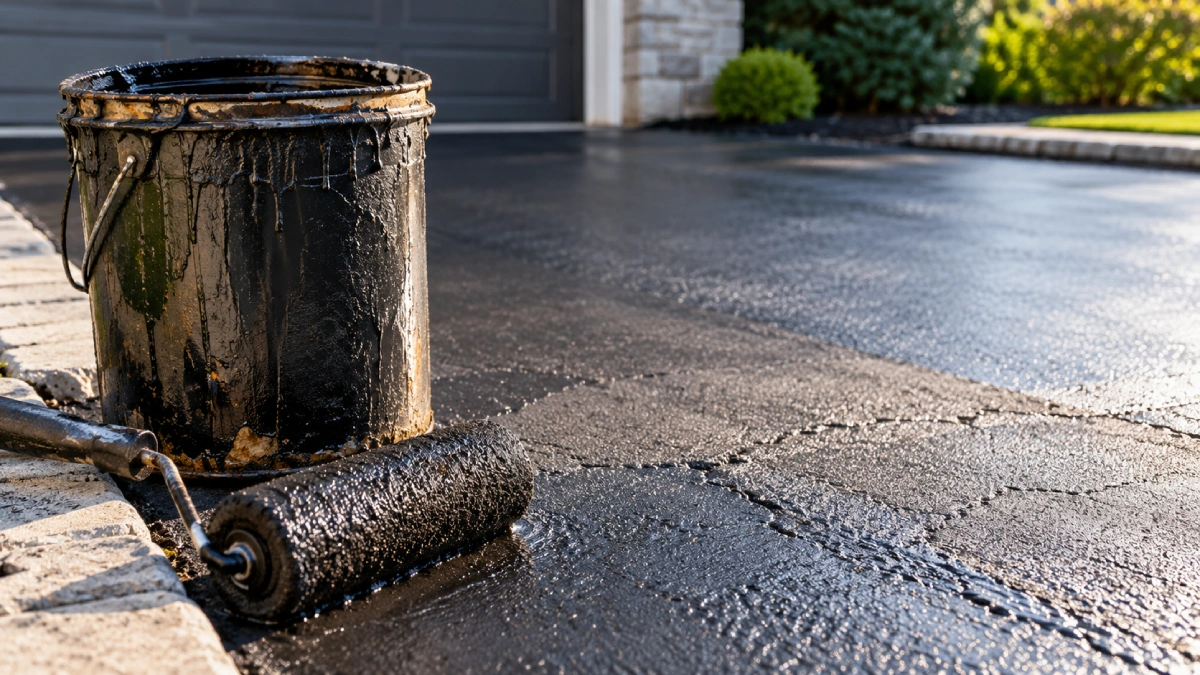
Can Driveway Sealer Go Bad? Yes, driveway sealer can deteriorate over time, especially if stored incorrectly, exposed to freezing temperatures, left in excessive heat, or kept past its recommended shelf life. Old sealer may separate, thicken, form lumps, develop a skin, or become difficult to apply. Using a deteriorated product can lead to patchy coverage, poor adhesion, peeling, and a driveway finish that fails earlier than expected. Understanding the warning signs helps homeowners avoid wasting time and materials on an unreliable coating.
Total Surfacing Solutions supports residential and commercial surfacing projects across Hertford, Hertfordshire, Bedfordshire, Oxford, Cambridgeshire, and Essex. From resin-bound driveways and tarmac installation to driveway resurfacing, repairs, and surface preparation, the company helps property owners choose practical driveway maintenance solutions. When an old sealer is unsuitable, the right approach may involve using fresh compatible material, preparing the existing surface, repairing damaged areas, or considering a more complete surfacing upgrade.
Quick Check: If your driveway sealer has expired or the surface is showing signs of wear, Total Surfacing Solutions can assess the damage and recommend the right driveway restoration and surfacing options to help protect your driveway from further deterioration.
Can Driveway Sealer Go Bad? Key Warning Signs
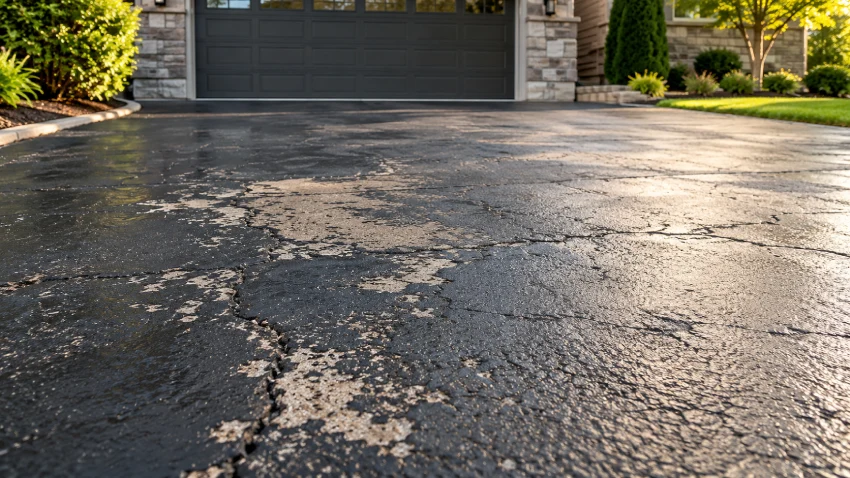
Driveway sealer can go bad even when the container has never been opened. Its condition depends on the product formulation, packaging, manufacturing date, temperature exposure, and storage conditions.
Water-based, solvent-based, acrylic, polyurethane, and asphalt-compatible sealers do not all deteriorate in the same way. Some become difficult to remix, while others thicken, form skins, or undergo chemical changes that affect their performance.
The first step is to inspect the material without immediately applying it to the driveway. Checking the container, appearance, consistency, and manufacturer’s instructions can prevent an expensive application mistake.
| Warning sign | Possible cause | Recommended action |
| Hard lumps or clumps | Separation or deterioration | Do not apply until suitability is confirmed |
| Thick, gel-like texture | Ageing or chemical changes | Check manufacturer guidance |
| Solid skin on the surface | Air exposure or solvent loss | Inspect carefully; replacement may be necessary |
| Unusual separation | Storage or formulation changes | Mix only as instructed and assess the result |
| Swollen or leaking container | Storage damage or pressure changes | Handle cautiously and seek supplier advice |
| Poor adhesion during a test | Incompatibility or deterioration | Stop application and investigate |
| Uneven finish after drying | Product, surface, or application issues | Assess the cause before recoating |
A small amount of separation is not always evidence that sealer has expired. Some products naturally settle during storage and can be restored by the specified mixing method.
However, if the material remains lumpy, unusually thick, or inconsistent after appropriate mixing, replacing it is generally safer than applying it across the entire driveway.
How Long Does Driveway Sealer Last In Storage?
Driveway sealer shelf life varies considerably between products. There is no reliable universal expiry period that applies to every driveway coating.
Some manufacturers provide a shelf life measured from the manufacturing date, while others specify different storage periods for unopened and opened containers. The appropriate figure must come from the product label or technical data sheet.
The storage period also assumes that the container has been kept under suitable conditions. A product stored in a cold shed, damp garage, or hot outdoor storage area may deteriorate sooner than an identical product stored correctly.
Unopened Driveway Sealer
An unopened container generally offers better protection against air contamination, evaporation, and accidental moisture exposure.
However, sealed packaging does not prevent damage caused by temperature extremes. If a water-based product freezes, its original consistency and performance may not recover after thawing.
Homeowners should check the batch number, manufacturing date, and manufacturer’s shelf-life guidance before using older stock.
Opened Driveway Sealer
Once a container has been opened, its condition becomes more dependent on resealing and handling.
Air exposure, contamination from tools, moisture entering the container, and repeated opening can affect product quality. Some reactive two-component products also have a limited working life once their components are mixed.
An opened container should never be assumed safe to use simply because its original stated shelf-life period has not passed.
Why Driveway Sealer Deteriorates Over Time?
The most common causes of driveway sealer deterioration are unsuitable storage, contamination, evaporation, and changes within the formulation.
Understanding these factors helps distinguish a genuinely expired coating from a product that only needs the manufacturer’s normal mixing procedure.
Freezing Temperatures
Certain water-based sealers are vulnerable to freezing because their ingredients are dispersed in water. Freezing can disrupt the formulation, creating clumps or separation that ordinary stirring cannot correct.
A container stored through winter in an unheated garage may have experienced temperatures outside the manufacturer’s recommended storage range.
If freezing is suspected, check the manufacturer’s instructions rather than assuming that warming the container makes it usable again.
Excessive Heat
High temperatures can also affect driveway sealer. Heat may accelerate ageing, increase pressure in some containers, or contribute to solvent loss when packaging is not properly sealed.
A garden shed exposed to strong summer sunlight is not necessarily a suitable storage environment.
Keep products within their stated storage temperature range and away from incompatible chemicals or ignition sources, as directed by their safety information.
Air Exposure And Contamination
Poorly sealed containers allow air, moisture, and dirt to enter the product.
Contamination can affect the consistency and adhesion of a driveway coating, particularly when application tools are placed directly into a storage container.
Keeping the original packaging clean, tightly closed, and correctly labelled helps protect unused material.
Can Expired Driveway Sealer Still Be Used?
An expired driveway sealer should not automatically be used or discarded without checking the manufacturer’s guidance.
The expiry date or stated shelf life is an important indication of the period during which the manufacturer expects the product to remain suitable under specified storage conditions.
A product that looks normal may still have altered performance, while a product showing minor settling may remain usable if the manufacturer confirms that remixing is appropriate.
Before using old sealer, check its storage history, packaging condition, consistency, and compatibility with the driveway material.
Never attempt to restore deteriorated sealer by adding water, solvents, hardeners, or other chemicals unless the manufacturer specifically instructs you to do so.
Adding the wrong substance can affect curing, adhesion, appearance, and safety.
When the product’s condition is uncertain, obtaining fresh material is generally a better decision than risking a failed finish across a large driveway.
What Happens If You Apply Bad Driveway Sealer?
Applying deteriorated driveway sealer can create surface problems that require cleaning, stripping, or recoating.
The outcome depends on the product formulation, driveway material, and extent of deterioration. Some coatings may remain tacky, while others dry unevenly or fail to bond properly.
Patchy Colour And Uneven Coverage
A deteriorated sealer may spread unevenly, leaving darker patches, streaks, or inconsistent surface sheen.
This can be particularly noticeable on decorative paving, where the appearance of the finished surface is important.
Uneven colouring does not always mean the sealer has expired. Surface contamination, uneven absorption, application thickness, and incompatible previous coatings can create similar defects.
Peeling And Poor Adhesion
When a coating fails to bond with the driveway, it may lift, flake, or peel under vehicle traffic and weather exposure.
Expired material is one possible cause, but poor surface preparation or trapped moisture may be equally important.
Understanding the surface curing and drying stages helps explain why a coating that appears dry can still be vulnerable to damage.
Tyre Marks And Surface Tracking
Sealer that has not cured correctly can mark under vehicle tyres or transfer material onto adjacent surfaces.
The sealed driveway vehicle access intervals are worth understanding before reopening a treated driveway.
If the coating remains unexpectedly soft or sticky beyond the manufacturer’s curing period, do not drive over it until the problem has been assessed.
Does Sealer Condition Matter For Resin-Bound Driveways?
Resin-bound driveways require a different approach from ordinary asphalt or concrete sealing.
A resin-bound surface is created by mixing aggregate with resin and installing the mixture as a continuous layer. It is not simply a driveway covered with conventional sealer.
Many resin-bound systems are designed to perform without routine application of general-purpose driveway sealing products. A specialist compatible treatment may be appropriate in certain circumstances, but the original system and manufacturer requirements must be checked.
Applying an unsuitable coating can change the appearance, texture, or permeability of the surface.
Total Surfacing Solutions provides resin driveways in Hertfordshire for homeowners seeking a durable, low-maintenance finish. Where an existing resin surface has deteriorated, the correct decision depends on whether the issue affects the binder, aggregate, surface cleanliness, or underlying structure.
The resin-bound surface recoating procedure provides further context for assessing compatible treatments.
For damaged or failing installations, Total Surfacing Solutions’ resin bound surfacing contractors can assess whether maintenance, localised repair, or replacement is the more suitable approach.
Can Tarmac Sealer Go Bad?
Tarmac and asphalt-compatible sealers can deteriorate during storage, especially when exposed to unsuitable temperatures or contamination.
An ageing coating may become too thick to spread properly, separate beyond the manufacturer’s remixing instructions, or fail to create the expected finish.
However, not every faded tarmac driveway needs sealing. Some surfaces require crack repairs, localised patching, drainage corrections, or resurfacing instead.
Total Surfacing Solutions carries out tarmac installation and resurfacing across Hertfordshire, including areas such as Hemel Hempstead. Property owners researching tarmac sealing in Hemel Hempstead should first determine whether the existing surface is structurally sound.
The company’s tarmac installation and resurfacing work is relevant when a worn surface needs more substantial intervention than a protective coating.
The tarmac surface ageing factors also help distinguish normal weathering from deterioration that requires repair.
Does Block Paving Sealer Have An Expiry Date?
Block paving sealers also have product-specific shelf lives.
Some are designed to penetrate the paving surface, while others create a visible coating. Their suitability depends on the material, previous treatments, joint condition, and manufacturer’s instructions.
An old block paving sealer may cause inconsistent appearance or adhesion problems, particularly when applied over damp paving, contamination, or incompatible previous coatings.
Homeowners looking into block paving sealing in Watford should first inspect the paving for loose jointing material, weeds, settlement, and staining.
The block paving sealing preparation checklist explains why cleaning and preparing the paving correctly is essential before applying a compatible treatment.
If the blocks have moved or the sub-base has settled, sealing will not correct the structural problem.
How To Store Driveway Sealer Correctly?
Correct storage protects both the product and the investment in driveway maintenance.
For most driveway sealers, the safest approach is to follow the exact conditions printed on the packaging and technical data sheet.
| Storage consideration | Recommended approach | What to avoid |
| Temperature | Follow the stated temperature range | Freezing and excessive heat |
| Container | Keep original packaging tightly sealed | Leaving lids partially open |
| Moisture | Store in a dry, protected location | Rainwater entering the container |
| Sunlight | Follow storage guidance, normally sheltered | Prolonged direct exposure |
| Contamination | Use clean handling equipment | Returning used material to the container |
| Product age | Record the opening date | Relying on memory alone |
| Mixed products | Follow the specified pot life | Storing reactive mixed coatings for later use |
Do not transfer driveway sealer into an unlabelled container. The original packaging provides important product identification, hazard information, and handling instructions.
If an old container is no longer suitable, arrange disposal according to the manufacturer’s safety information and local waste requirements rather than pouring it onto the driveway or into drains.
Should You Clean A Driveway Before Sealing?
Even fresh driveway sealer may fail when the existing surface is dirty or contaminated.
Oil, algae, moss, dust, loose sand, and previous coating residues can interfere with adhesion or produce an uneven finish.
Surface preparation should therefore begin before opening the sealer container.
Preparing Block Paving
Block paving should be inspected for loose blocks, jointing material, vegetation, and staining.
The paving surface cleaning sequence explains how surface condition and joint stability affect cleaning decisions.
Where jointing sand has been disturbed, it may need replenishment before any compatible sealing treatment is applied.
Preparing Resin-Bound Surfacing
Resin-bound driveways need suitable cleaning methods that do not damage the aggregate and resin binder.
Excessive pressure or incompatible chemicals may damage the finish.
The resin aggregate cleaning process is useful when assessing dirt, staining, and surface contamination.
A clean driveway should then be allowed to reach the moisture condition required by the selected treatment.
When Is It Too Late To Apply Driveway Sealer?
A driveway sealer may still be within its shelf life but unsuitable for application because of the weather.
Low temperatures, impending rain, excessive humidity, and insufficient drying time can prevent successful application.
The correct temperature and weather window depend on the product, rather than a single rule covering every driveway sealer.
In Hertfordshire and surrounding counties, weather conditions should be checked carefully before surface coating work begins.
The seasonal driveway coating limits explain the importance of choosing suitable application conditions.
If the driveway is wet or rain is expected before the product can become rain-resistant, it is generally better to postpone the work than risk a failed coating.
When Sealing Is Not Enough To Restore A Driveway?
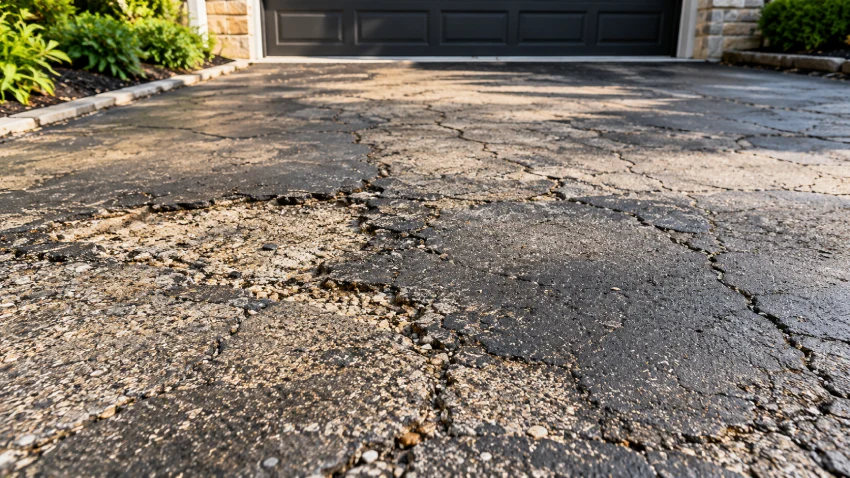
A new layer of sealer cannot repair every driveway defect.
Cracks, potholes, loose aggregate, widespread settlement, drainage problems, and unstable paving may require more substantial work.
This distinction is particularly important when homeowners have already applied multiple coats of sealer without achieving a lasting improvement.
Resin-Bound Surface Deterioration
If a resin-bound driveway is losing aggregate, cracking, or showing signs of binder failure, adding an ordinary sealer may conceal the symptoms without resolving the cause.
The resin-bound installation defect causes explain why groundwork, mixing, curing, and drainage are important to long-term performance.
Total Surfacing Solutions can assess whether a replacement resin-bound layer or more extensive reconstruction is appropriate.
Tarmac Surface Deterioration
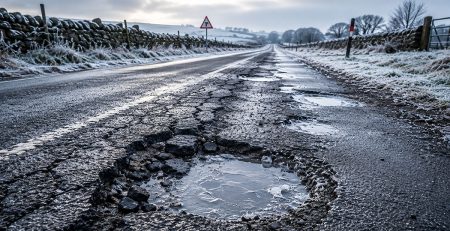
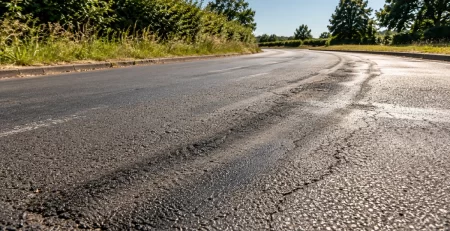
Tarmac driveways with structural cracking, potholes, or significant surface deformation may need repair or resurfacing.
A protective coating does not restore the load-bearing strength of a failed sub-base.
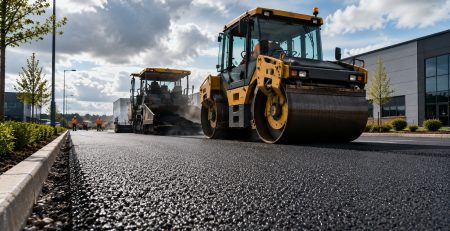
For residential driveways and larger commercial areas, Total Surfacing Solutions provides tarmac surfacing and related groundwork designed around traffic use, surface levels, and drainage.
Driveway Sealer And Commercial Car Parks
Expired sealer can create problems on commercial surfaces where large areas need consistent coverage and controlled reopening times.
A failed coating may cause uneven appearance, premature wear, vehicle tracking, and additional disruption.
Commercial car parks also have practical requirements involving traffic movement, pedestrian access, parking bays, and line markings.
Total Surfacing Solutions provides road surfacing, tarmac installation, and commercial surfacing for sites where structural performance matters more than a cosmetic coating.
Before treating a commercial driveway or parking area, the surface should be assessed for cracks, potholes, poor drainage, and heavy-traffic wear.
Where resurfacing is required, choosing the correct material and preparation method is more important than applying another coat of sealer.
Low Maintenance Driveways Without Frequent Sealing
Not every driveway needs regular sealing to remain functional.
Material selection, installation quality, drainage, cleaning, and timely repairs all influence how much maintenance a driveway requires.
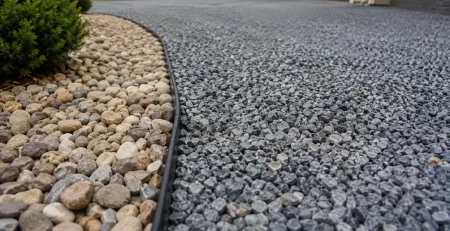
Resin-bound surfacing is one option for homeowners seeking a continuous aggregate finish with fewer joints than traditional block paving.
Total Surfacing Solutions can help homeowners considering a low maintenance driveway decide whether the existing surface should be maintained or replaced.
For properties needing a different appearance, the company’s resin driveway finishes offer aggregate and colour choices as part of a new resin-bound installation.
The objective is to choose a surface suitable for everyday use rather than repeatedly applying products to compensate for underlying damage.
Can Driveway Sealer Go Bad? Area Coverage
Driveway maintenance across Hertfordshire and neighbouring counties should account for surface type, storage conditions, rainfall exposure, and existing driveway wear. Total Surfacing Solutions serves these areas with resin-bound surfacing, tarmac installation, driveway repairs, and related groundwork.
Can Driveway Sealer Go Bad In Bedfordshire?
Homeowners considering driveway sealing in Bedfordshire should inspect the product’s storage condition and the existing surface before applying anything. In Bedford, Luton, Dunstable, and surrounding areas, Total Surfacing Solutions provides resin-bound driveway installation where a worn or difficult-to-maintain surface needs a longer-term alternative to repeated coating.
Can Driveway Sealer Go Bad In Oxford?
Oxford homeowners should check whether an older driveway sealer remains suitable for use, particularly if it has been stored in an unheated garage or shed. Total Surfacing Solutions provides resin-bound surfacing in Oxford and surrounding areas, offering a practical alternative where old paving, worn finishes, or unsuitable coatings make maintenance difficult.
Can Driveway Sealer Go Bad In Cambridgeshire?
Cambridgeshire homeowners considering sealing should examine both the coating and the driveway condition. Total Surfacing Solutions installs resin-bound driveways across Cambridge, Ely, Huntingdon, and surrounding communities, helping customers choose surfaces that combine drainage potential with straightforward maintenance.
Expired Sealer And Resin Driveways In Essex
Essex homeowners dealing with old sealer, discolouration, or surface wear should establish whether the problem is cosmetic or structural. Total Surfacing Solutions provides resin-bound driveways in Essex, including areas such as Chelmsford, Harlow, and Colchester, where a modern aggregate finish may be more appropriate than repeated sealing.
Driveway Surface Restoration In Essex
Driveway maintenance in Essex can involve tarmac, resin-bound surfacing, paving, and older surfaces with failed coatings. Total Surfacing Solutions can assess whether cleaning, preparation, resurfacing, or replacement is suitable based on the condition of the driveway and how it is used.
Sealer Failure And Surface Repairs In Essex
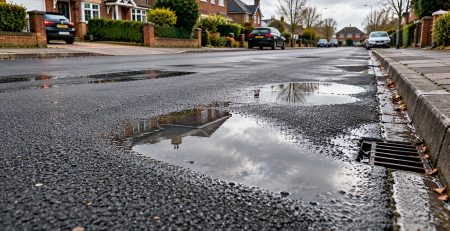
When an Essex driveway or commercial surface develops cracks, potholes, or structural damage, fresh sealer will not resolve the underlying problem. Total Surfacing Solutions provides pothole repairs in Essex where damaged asphalt or tarmac requires repair before further deterioration occurs.
Can Driveway Sealer Go Bad In Hertfordshire?
Hertfordshire homeowners should check old driveway sealer for deterioration before application, especially if it has been stored through changing seasonal temperatures. Total Surfacing Solutions provides resin-bound driveway installation across Hertfordshire, including Hertford, Watford, St Albans, and Stevenage, where homeowners want a durable surface with manageable upkeep.
Driveway Sealing Alternatives In Hertfordshire
Homeowners considering driveway installation in Hertford, or repairs to an existing surface, should compare the cost and suitability of sealing against more extensive surfacing work. Total Surfacing Solutions provides driveway surfacing across Hertfordshire, including resin-bound and tarmac options where a coating alone will not resolve worn or damaged material.
What To Do With Old Driveway Sealer?
Before using an old driveway sealer, establish its age, storage history, and product type. Inspect the material for separation, contamination, thickening, or other unusual changes.
Check the manufacturer’s instructions and avoid using the coating if its suitability remains uncertain. If the product is expired or damaged, replacing it is preferable to risking a failed application.
The driveway itself should also be inspected for cracks, moisture, loose paving, and surface deterioration. If these problems exist, additional work may be needed before sealing.
For homeowners considering driveway surfacing in Hertfordshire, Total Surfacing Solutions can help assess whether the existing driveway remains suitable for maintenance or needs a more substantial upgrade.
Protect Your Driveway With The Right Surface
Driveway sealer can go bad because of ageing, freezing, heat, contamination, or unsuitable storage. Using deteriorated material can lead to uneven coverage, adhesion problems, and unnecessary repair costs.
Total Surfacing Solutions can inspect an existing driveway and help determine whether preparation, repairs, or replacement is appropriate. For homeowners comparing resurfacing options, the company’s resin-bound driveway installations provide a practical alternative where a worn driveway needs a new surface rather than another coat of sealer. The right solution depends on the driveway material, current condition, drainage, and expected use.
FAQs
Can driveway sealer go bad if it has never been opened?
Yes. An unopened driveway sealer can deteriorate when stored beyond its manufacturer’s recommended shelf life or exposed to unsuitable temperatures. Freezing may affect certain water-based formulations, while excessive heat can contribute to other forms of deterioration. The original sealed container helps reduce contamination but does not guarantee indefinite storage life. Check the batch date, product label, and technical data sheet before use.
How can I tell whether my driveway sealer has expired?
Signs include unusual thickening, hard lumps, a solid skin, damaged packaging, or separation that cannot be corrected using the manufacturer’s instructions. However, appearance alone cannot confirm that a product remains suitable. Some sealers naturally settle during storage. When the date or storage history is uncertain, contact the supplier or manufacturer before attempting application.
Can I use driveway sealer that has separated?
Some driveway sealers are designed to be mixed before use, so ordinary settling does not necessarily indicate failure. The important question is whether the product returns to its specified consistency using the approved mixing method. Persistent lumps, gel formation, or unusual separation may indicate deterioration. Do not add solvents or water unless the manufacturer’s instructions expressly permit it.
Does driveway sealer go bad after freezing?
Certain water-based driveway sealers can be damaged by freezing. Ice formation may disrupt the dispersion of ingredients and prevent the product from returning to its original consistency. Thawing the container does not automatically restore its performance. If the product has frozen, consult the manufacturer’s guidance before using it. Solvent-based and other formulations may behave differently.
Can bad driveway sealer damage block paving?
Deteriorated or unsuitable sealer may leave block paving with patchy colour, unwanted sheen, sticky areas, or a coating that fails to adhere correctly. Problems may also result from trapped moisture, dirty paving, inadequate joint preparation, or incompatibility with an earlier treatment. Inspect the paving and use only a product approved for its material and condition.
Can expired sealer be used on a resin-bound driveway?
Expired sealer should not be used on a resin-bound driveway. More importantly, ordinary driveway sealers are not necessarily compatible with resin-bound systems. Some products may change the surface appearance or obstruct permeability. Any treatment should be approved for the installed resin system. If the original material or installation specification is unknown, professional assessment is preferable to experimenting with an old coating.
Does old driveway sealer take longer to dry?
Deteriorated sealer may show abnormal drying or curing behaviour, but slow drying does not automatically prove that the material has expired. Low temperatures, humidity, excessive application thickness, damp surfaces, and incompatible coatings can produce similar symptoms. Follow the manufacturer’s application and curing requirements. If the coating remains unusually tacky, avoid vehicle traffic until the cause is established.
Should I reseal or resurface an old driveway?
Resealing may be appropriate when the existing driveway is structurally sound and the surface is compatible with a protective treatment. Resurfacing becomes more relevant when there are significant cracks, loose material, potholes, repeated settlement, or widespread deterioration. Total Surfacing Solutions can assess whether maintenance is sufficient or whether resin-bound surfacing, tarmac installation, or more extensive repairs would be a better option.