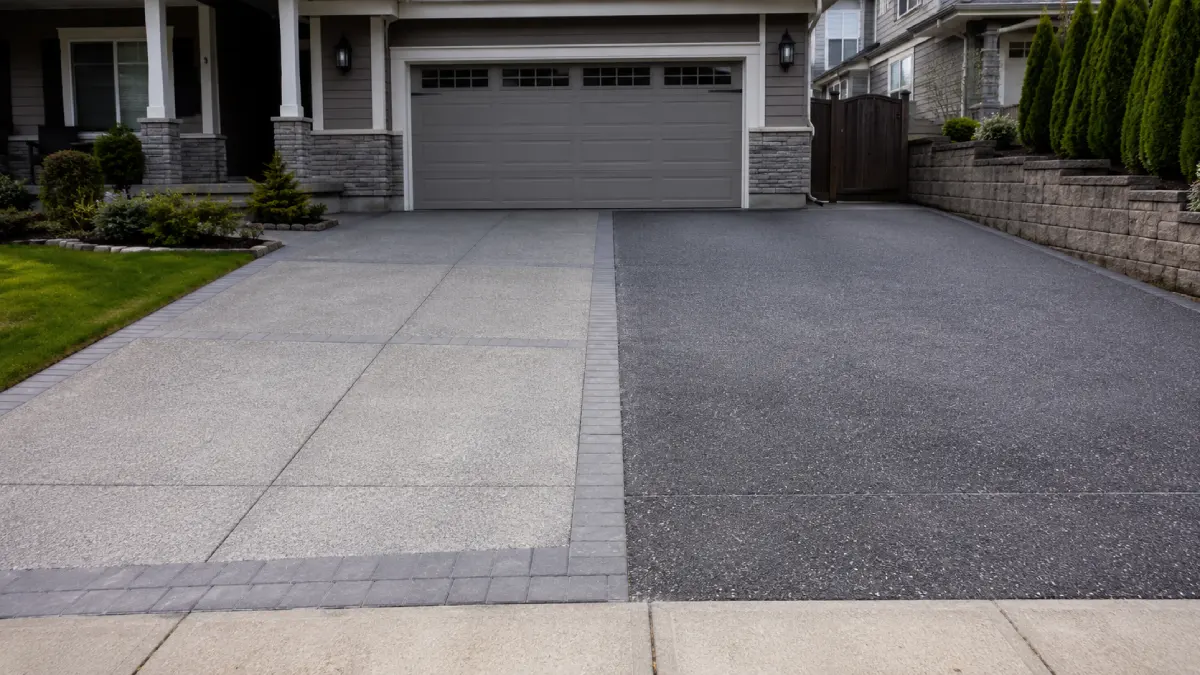
How Much Does It Cost to Widen a Driveway?
Widening a driveway can look like a simple extra strip of paving, resin, gravel, or concrete, but the real cost often sits below the visible surface. The serious step is to check Sub-Surface Engineering, drainage, site access, old-surface tie-ins, legal requirements, and long-term maintenance before comparing square-metre prices. The experienced solution is to treat driveway widening as a structural upgrade, not a cosmetic patch, so the new section stays level, drains correctly, and matches the existing entrance.
How Much Does It Cost to Widen a Driveway?
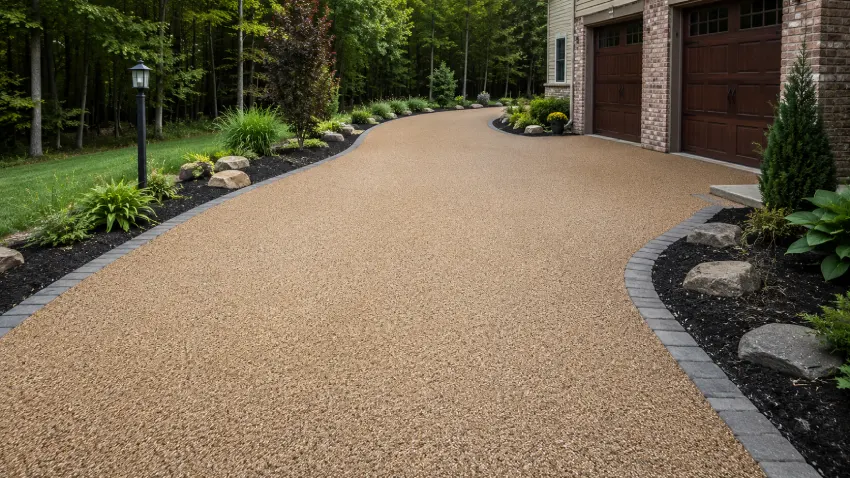
Driveway widening cost depends on the size, surface type, base depth, drainage, access, and whether the old driveway needs blending. This section explains the real pricing logic before comparing materials.
How Much Does It Cost to Widen a Driveway? In the UK, many driveway widening projects can sit around £100 to £250 per m² when excavation, labour, waste removal, sub-base, edging, and surfacing are included. Resin-bound driveways often cost more than basic gravel but give a cleaner, more premium finish when installed correctly.
A simple side extension over a stable base costs less than a full dig-out. If the project needs drainage channels, a new sub-base, old concrete removal, kerb work, or full resurfacing, the final cost can rise quickly.
A specialist such as Total Surfacing Solutions can inspect the existing driveway and explain whether resin-bound surfacing, pavers, gravel, or another surface is suitable for the widened area.
Main cost drivers include:
- Driveway size
- Surface material
- Excavation depth
- Waste disposal
- Sub-base quality
- Drainage design
- Edge restraints
- Access difficulty
- Old surface condition
- Final finish quality
| Cost Factor | Lower-Cost Scenario | Higher-Cost Scenario |
| Existing base | Stable and reusable | Full excavation needed |
| Surface choice | Gravel or simple overlay | Resin, pavers, or premium finish |
| Drainage | Natural fall works | Channels or soakaway needed |
| Access | Easy machinery access | Tight or restricted site |
| Finish | Visible join accepted | Full resurfacing needed |
A reliable quote should explain what is happening below the surface. If the quote only gives a surface price, it may not include the work needed to stop sinking, cracking, water pooling, or mismatched finishes.
Sub-Surface Engineering: Hidden Strength
Sub-Surface Engineering decides whether a widened driveway lasts or fails. This section explains excavation, compaction, base layers, geotextile fabric, and why the surface is only the final layer.
Sub-Surface Engineering is the structural part of driveway widening. It includes the excavation, soil preparation, membrane, sub-base, compaction, edging, and water movement below the final surface.
The widened area often replaces lawn, soft soil, planting beds, old gravel, or weak concrete. These materials are not always strong enough for the daily vehicle weight, especially where tyres park or turn in the same place.
A proper widened driveway usually needs a compacted stone sub-base. The depth depends on ground condition, vehicle weight, surface type, and whether the driveway will carry cars, vans, or heavier vehicles.
Strong sub-surface work may include:
- Topsoil removal
- Geotextile membrane
- MOT Type 1 or Type 3 sub-base
- Compacted layers
- Edge restraints
- Drainage fall
- Surface bedding layer
- Resin-ready or paver-ready base
People checking driveway gravel size should also think about the sub-base structure. The right stone size and compaction can make the difference between a firm extension and a driveway that ruts.
| Sub-Surface Detail | Why It Matters |
| Excavation depth | Removes weak soil |
| Geotextile membrane | Stops the stone from sinking into the soil |
| Compacted sub-base | Supports vehicle loads |
| Correct stone type | Improves strength or drainage |
| Edge restraint | Stops spreading and cracking |
| Drainage fall | Prevents water damage |
Good driveway widening is built from the bottom up. The surface finish only performs well when the layers beneath it are stable.
Hidden Construction & Site Costs: Quote Gaps
Hidden Construction & Site Costs can make a small driveway widening project more expensive than expected. This section explains the items often missing from basic quotes.
Hidden Construction & Site Costs usually appear after work starts. They may involve old concrete removal, utility covers, tree roots, soft ground, drainage problems, access restrictions, or surface mismatch.
A driveway extension beside an existing surface creates a join. If the old driveway is faded, cracked, uneven, or badly drained, the new section may look obvious unless the whole area is resurfaced.
Site costs can include:
- Skip or grab a lorry hire
- Disposal of soil and rubble
- Old concrete breakout
- Tree root protection
- Manhole cover adjustment
- Drainage channel installation
- Kerb and edging work
- Resin colour matching
- Full surface overlay
- Restricted access labour
If the project changes the entrance or parking layout, homeowners should also check widen driveway permission UK before work starts. Legal or council requirements can change the cost before surfacing begins.
| Hidden Cost | Why It Appears |
| Waste removal | Excavated soil must leave the site |
| Utility covers | Need raising or resetting |
| Tree roots | Can damage the future surface |
| Poor old base | Must be corrected |
| Surface mismatch | Full overlay may be needed |
| Tight access | More manual labour |
The lowest quote may leave out these items. A stronger quote explains what is included, what is excluded, and what might change once excavation begins.
Lifespan and Long-Term Maintenance Costs: True Value
Lifespan and Long-Term Maintenance Costs decide the real value of driveway widening. This section compares the upfront price with cleaning, repairs, resurfacing, drainage care, and future replacement.
Lifespan and Long-Term Maintenance Costs matter because a cheap, widened driveway can become expensive if it needs repeated repairs. The best value is not always the cheapest material on day one.
Gravel usually has a lower upfront cost, but it may need topping up, raking, weed control, and rut repair. Pavers can last well, but may need joint sand, weed control, and occasional relaying.
Resin-bound surfacing often costs more upfront but gives a smooth, modern, lower-maintenance finish when installed correctly. It still needs sweeping, gentle washing, and early attention to stains, moss, or edge issues.
Maintenance factors include:
- Cleaning frequency
- Weed control
- Drainage clearing
- Repair visibility
- Surface life expectancy
- Colour ageing
- Winter care
- Vehicle load
- Edge stability
- Warranty terms
People comparing resin driveway advantages and disadvantages should judge resin by total value, not only installation cost. A good resin driveway can reduce loose stone movement and improve kerb appeal, but only when the base is correct.
| Surface | Upfront Cost | Maintenance Pattern |
| Gravel | Lower | Top-ups and rut control |
| Pavers | Mid to high | Joint and weed care |
| Asphalt | Mid | Sealing and heat marks |
| Concrete | Mid | Crack and stain control |
| Resin bound | Mid to high | Sweeping and careful washing |
Long-term cost is about durability, appearance, and repair risk. A driveway that looks neat for many years can be a better value than a cheaper surface that needs regular correction.
Drainage and Permissions: Cost Control
Drainage and permission checks can control costs before construction begins. This section explains front-garden surfacing rules, permeable driveways, dropped kerbs, and water flow.
A widened driveway often replaces grass or soft ground with hardstanding. That means rainwater must be managed properly.
In the UK, permeable surfacing usually reduces planning risk for front gardens. Impermeable surfacing over 5m² can require permission if water does not drain to a permeable area inside the property.
Driveway drainage options include:
- Permeable resin-bound surfacing
- Gravel grids
- Permeable block paving
- Channel drains
- Soakaways
- French drains
- Correct surface fall
- Drainage borders
- Culvert systems were needed
For more complex entrance drainage, driveway culvert may be useful. Water should not be pushed into roads, pavements, neighbours’ land, or the house foundation.
If the driveway has a gradient, driveway on slope planning becomes important. Slopes can increase drainage, grip, edging, and erosion costs.
| Drainage Issue | Possible Cost Impact |
| Water to the road | Permission or redesign risk |
| Water to the house | Channel drain needed |
| Water to the neighbour | Dispute and correction risk |
| Flat frontage | A drainage system may be needed |
| Weak muddy ground | Base strengthening needed |
| Slope runoff | Erosion control needed |
Drainage is not an optional extra. It protects the widened area, the old driveway, and the property around it.
Surface Options: Resin vs Pavers
Surface choice changes cost, appearance, durability, drainage, and maintenance. This section compares resin-bound surfacing, pavers, gravel, asphalt, and concrete for driveway widening.
Resin-bound surfacing is often chosen for a clean, smooth, modern finish. It can be permeable, attractive, and lower maintenance than loose gravel when installed over a suitable base.
Pavers can give a traditional and repairable surface, but they may need more joint maintenance. Concrete can be strong but may show cracks or colour mismatch. Asphalt can be practical but may soften in hot weather and show seams.
Gravel is often the cheapest option, but it needs good edging and compaction. Without structure, it can migrate, rut, and need regular topping up.
Surface comparison:
| Surface | Best For | Main Watch Point |
| Resin bound | Clean modern finish | Needs a correct base |
| Pavers | Traditional look | Joint maintenance |
| Gravel | Lower budget | Movement and ruts |
| Asphalt | Practical access | Seams and heat marks |
| Concrete | Strong slab finish | Cracks and mismatch |
For surfacing alternatives, new asphalt parking time helps when comparing curing and usage restrictions. Different materials have different timelines before vehicles can return.
If the project is planned to improve resale appeal, driveway increase home value can help weigh the upgrade against long-term property presentation.
Area Coverage for How Much Does It Cost to Widen a Driveway?
Driveway widening cost changes by property layout, soil, access, drainage, frontage style, and surface choice. These area sections explain how Bedfordshire, Cambridgeshire, Essex, Hertfordshire, and Oxford homeowners should think about the quote.
Bedfordshire Resin Bound Driveway Prices
For resin bound driveways in Bedfordshire, widening cost often depends on whether the extra space is for a second vehicle, easier turning, or a cleaner front layout. A daily parking area needs stronger base preparation than a decorative side strip.
If the widened section replaces lawn or garden soil, the quote should include excavation, waste removal, membrane, sub-base, compaction, edging, and surface finish. Bedfordshire homeowners should also check whether the current driveway width is practical before extending.
The driveway width guide can help before committing to a layout. A cheaper extension that stays too narrow may not solve the parking problem properly.
Resin Bound Driveway In Cambridgeshire
For resin bound driveways in Cambridgeshire, drainage can be one of the biggest pricing factors. Many frontages are flat enough that water may sit if the surface fall and base design are not planned carefully.
A permeable resin-bound system can be a strong option when the base supports water movement. But if the existing surface is dense concrete or poorly drained tarmac, the contractor may need extra drainage work before resin is suitable.
Cambridgeshire quotes should clearly explain where rainwater goes. If water movement is ignored, the widened section may suffer frost damage, puddling, or edge erosion later.
Resin Bound Driveway Repair In Essex
For resin bound driveways in Essex, the cost often depends on how polished the final frontage needs to look. Many homeowners want practical extra parking without creating a patchwork finish.
A resin-bound finish can help create a seamless surface, especially when the old driveway is resurfaced at the same time. This can cost more than adding a narrow strip, but it often looks better and may support kerb appeal.
Essex homeowners should compare budget, finish, drainage, and long-term value. The right driveway widening design should improve daily parking and property presentation together.
Modern Resin Driveway In Hertfordshire
For resin bound driveways in Hertfordshire, slopes, shade, and tight property boundaries can affect widening costs. A sloped driveway may need stronger edging, anti-slip surface planning, and drainage control.
If the widened area sits under trees or near shaded walls, maintenance also matters. Moss, algae, and winter moisture can increase cleaning needs over time.
For cold-weather safety, resin driveways slippery. Resin can work well in winter when it has the right texture, drainage, and maintenance routine.
Modern Resin Driveway In Oxford
For resin bound driveways in Oxford, costs can be shaped by access, traditional frontage style, driveway apron details, and conservation-sensitive locations.
If the driveway meets a pavement or public edge, driveway apron meaning and driveway apron responsibility help clarify what belongs to the homeowner and what may involve highway rules.
Oxford homeowners may also need more careful surface selection. A resin-bound finish can look clean and controlled, but colour, edging, drainage, and access detail should suit the property’s character.
Final Quote Checklist: Build Smarter
A clear driveway widening quote should explain more than the surface price. This section gives a checklist to compare contractors, avoid hidden costs, and protect long-term value.
Before accepting a quote, ask for the full build-up in writing. The contractor should explain excavation, sub-base, edging, drainage, surface finish, access restrictions, curing time, and warranty terms.
Ask these questions:
- What excavation depth is included?
- What sub-base material will be used?
- Is geotextile fabric needed?
- How will rainwater drain?
- Will the widened area need edging?
- Will the old and new surfaces match?
- Is planning permission needed?
- Is a dropped kerb affected?
- How long before parking?
- What maintenance is expected?
For poor ground conditions, muddy driveway fix and a driveway erosion fix may help before finalising the widening specification.
A contractor such as Total Surfacing Solutions can inspect the existing surface, identify hidden site risks, and recommend a driveway widening system that fits the property.
| Quote Detail | Why It Matters |
| Excavation depth | Prevents settlement |
| Sub-base type | Supports vehicles |
| Drainage route | Prevents water damage |
| Edge restraint | Holds the extension |
| Surface finish | Controls final appearance |
| Maintenance plan | Protects lifespan |
A strong widening quote is not just a price. It is a plan for a legal, stable, drained, and long-lasting driveway extension.
Frequently Asked Questions: Driveway Widening Cost
1. What is the most expensive part of widening a driveway?
The most expensive part is often the groundwork. Excavation, waste removal, sub-base installation, drainage, edging, and surface preparation can cost more than the visible finish itself.
2. Is resin more expensive than pavers for widening?
Resin and pavers can both sit in the mid-to-high cost range, depending on base work, finish, and labour. Resin often gives a smoother finish, while pavers may be easier to repair in sections.
3. Why do driveway widening quotes vary so much?
Quotes vary because some include full excavation, drainage, edging, sub-base, and waste removal, while others only price the surface. Always compare the full build-up, not just the square-metre rate.
4. Does a widened driveway need maintenance?
Yes. Resin needs sweeping and gentle washing, pavers need joint care, gravel may need topping up, and drainage channels must stay clear. Maintenance protects lifespan and appearance.
5. Can driveway widening increase home value?
It can improve kerb appeal and daily parking practicality when the work is legal, well-drained, and neatly finished. Poor drainage, illegal access, or weak construction can reduce the benefit.