Resin Vs Block Paving: Cost, Benefits & Key Differences
Choosing between Resin Vs Block Paving is not just about which surface looks better on day one. The right driveway surface affects drainage, cleaning, weeds, long-term movement, kerb appeal, and how well the area handles daily vehicle use. Resin bound driveways usually suit homeowners who want a smooth, permeable, low-maintenance finish, while block paving suits those who prefer a traditional patterned surface with individual blocks and defined edges.
Total Surfacing Solutions installs residential and commercial surfacing across Hertford, Hertfordshire, Bedfordshire, Oxford, Cambridgeshire, and Essex, helping property owners choose the right finish based on the base condition, drainage needs, design preference, and long-term maintenance expectations.
Quick Check: If you are comparing Resin Vs Block Paving for your home, Total Surfacing Solutions can assess whether resin driveways in Hertfordshire are the right fit for your driveway layout, drainage needs, and finish preference.
Resin Vs Block Paving: The Main Difference
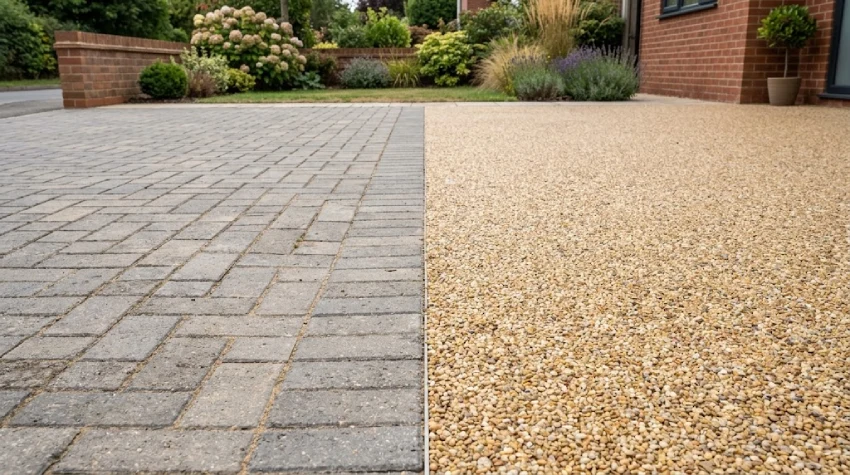
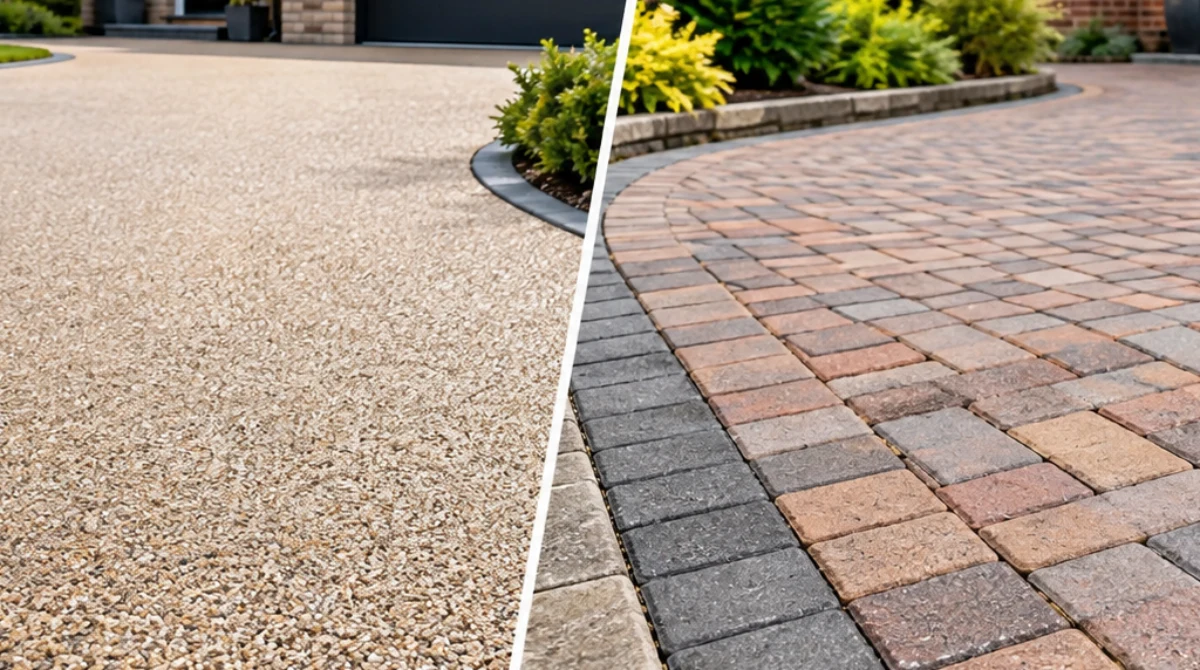
The main difference between resin and block paving is how each surface is built. Resin bound surfacing is made by mixing natural aggregate with resin, then trowelling it into a smooth, continuous surface. Block paving is built from individual blocks laid in a pattern over a prepared sub-base and bedding layer.
That difference affects drainage, weed control, repair style, appearance, and maintenance. A resin bound driveway has fewer joints and a smoother finish, while block paving has more visible structure, more pattern options, and individual units that can be lifted or replaced when needed.
UK front garden driveway rules also make drainage important. Planning Portal explains that a new or replacement driveway usually avoids planning permission when it uses permeable surfacing or directs rainwater to a lawn or border; impermeable surfacing over 5 square metres may need permission if runoff is not managed properly.
| Comparison point | Resin bound driveway | Block paving driveway |
| Surface style | Smooth, modern, stone-textured finish | Traditional blocks with patterns and joints |
| Drainage | Permeable when installed on a suitable base | Can be permeable if designed as a permeable system |
| Weed risk | Lower because there are fewer open joints | Higher because joints can collect seeds and debris |
| Maintenance | Usually sweeping and occasional washing | Joint cleaning, re-sanding and weed control may be needed |
| Repairs | Small repairs can be more visible if not blended well | Individual blocks can often be lifted and replaced |
| Design | Aggregate colour and border choices | Block shapes, colours, patterns and edging choices |
| Best fit | Modern homes, low-maintenance driveways, drainage-led upgrades | Traditional homes, patterned driveways, defined edging |
Total Surfacing Solutions normally starts with the existing driveway condition before recommending either surface. If the base is weak, uneven, or holding water, both resin and block paving can fail early unless the preparation is corrected first.
Resin Bound Driveways For Modern Homes
Resin bound driveways are popular because they create a clean, even surface with a natural stone appearance. For homeowners comparing Resin Vs Block Paving, resin often feels more contemporary because the finish is continuous rather than divided into blocks.
A well-installed resin driveway can suit modern homes, refurbished properties, front gardens, paths, and light-use residential parking areas. It is especially useful where the owner wants a neat finish without loose gravel movement or frequent joint maintenance.
The key is the base. Resin bound surfacing should not be treated as a thin decorative layer over a failing driveway. The base, edges, depth, drainage, and surface preparation all affect how the finish performs.
For homeowners weighing the strengths and limits of resin, the resin surface pros and cons are useful before deciding whether resin is the right long-term surface.
Block Paving For Traditional Driveway Style
Block paving gives a driveway a more traditional and structured appearance. The visible blocks can be laid in patterns, borders, and colour combinations, making it a flexible option for homeowners who want a strong visual frame around the entrance.
In the Resin Vs Block Paving decision, block paving often wins when the client wants individual blocks, strong edge definition, and a classic driveway look. It can also be practical where sections may need to be lifted later for underground access.
The main maintenance difference is the joints. Block paving joints can collect organic matter, seeds, and moisture, which can lead to weeds or moss if the surface is not maintained. RHS advice on hard surfaces notes that weeds can establish in cracks and paving joints, which is why regular removal and cleaning are part of hard surface care.
Total Surfacing Solutions can support projects involving a block paving driveway in Hertfordshire where the driveway design needs strong edging, boundary details, brickwork, or a more traditional hard landscaping finish.
Drainage And SUDS Compliant Surfacing
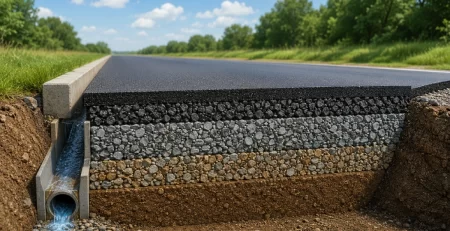
Drainage is one of the most important points in Resin Vs Block Paving. Resin bound surfacing is commonly chosen because it can be permeable when installed with the correct base. This means water can pass through the surface rather than sitting on top.
Block paving can also be drainage-friendly, but it must be designed correctly. Standard block paving and permeable block paving are not the same thing. Permeable block paving needs the right blocks, joints, sub-base, and water storage layer to manage rain properly.
The resin permeability basics explain why the whole build-up matters, not just the top layer. A resin surface may look ready for rain, but the drainage performance depends on what sits beneath it.
For front gardens, SuDS compliant surfacing is often the safer design direction because it reduces unnecessary runoff. Total Surfacing Solutions considers drainage routes, nearby thresholds, public footpaths, road edges, and garden borders before recommending resin, block paving, tarmacadam, or another surfacing option.
Cost Differences Between Resin And Block Paving
Cost is one of the first questions in Resin Vs Block Paving, but the lowest quote is not always the best value. Resin pricing depends on the driveway size, base condition, aggregate choice, depth, edging, drainage work, and preparation needed before installation.
Block paving pricing depends on the block type, pattern, excavation depth, sub-base, edge restraints, drainage, and whether old surfacing needs to be removed. Detailed patterns and multiple colours can also increase labour time.
| Cost factor | Resin driveway impact | Block paving impact |
| Existing base condition | Poor bases may need full preparation | Poor bases may need excavation and rebuild |
| Surface finish | Aggregate choice affects appearance and cost | Block type, pattern and colour affect cost |
| Drainage | Permeable base may be needed | Permeable system or drainage channels may be needed |
| Labour | Smooth finish needs skilled trowelling | Pattern laying and cutting increase labour |
| Long-term upkeep | Lower joint maintenance | Re-sanding and weed control may add upkeep |
For a deeper cost comparison, the paver driveway cost variables and resin driveway pricing factors can help homeowners understand why quotes vary. The resin cost adjustment points are especially useful when the existing surface needs extra preparation.
Total Surfacing Solutions gives cost advice based on the actual driveway rather than a one-size-fits-all price. That matters because a simple overlay, a full excavation, drainage correction, and a decorative finish are very different projects.
Maintenance: Resin Vs Block Paving
Maintenance is where many homeowners start leaning towards resin. Resin bound driveways have fewer open joints than block paving, so there is less space for weeds to settle. Cleaning usually involves sweeping, removing organic debris, and washing the surface when needed.
Block paving needs a more hands-on routine. The joints can lose sand over time, collect dirt, or support weed growth if neglected. Cleaning, re-sanding, and occasional sealing may be needed to keep the surface stable and tidy.
For practical upkeep, the resin driveway cleaning routine gives a good overview of resin care, while the block paving wash process explains the cleaning approach for paver surfaces.
Total Surfacing Solutions also providesdriveway jet washing in Hertfordshire where a tired driveway needs professional cleaning, surface refreshment, or preparation before further work.
Weed Growth And Surface Joints
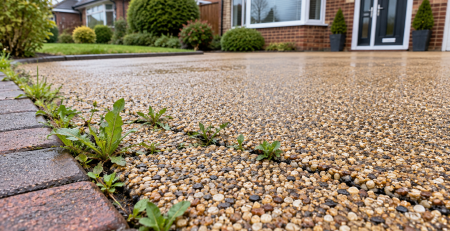
Weed growth is a major comparison point in Resin Vs Block Paving. Resin bound driveways are not completely immune to weeds, but they usually have fewer joint lines where seeds and debris can collect.
Block paving has more joints by design. That is not automatically a fault, but it does mean maintenance matters. If joints become full of soil, leaf debris, or moss, weeds can settle into the gaps.
The resin weed prevention factors explain why installation quality and regular cleaning still matter with resin. For block paving, the paver sealing sequence can help reduce staining and support easier maintenance when used correctly.
Total Surfacing Solutions recommends choosing a surface based on how much maintenance the property owner is realistically willing to do. A block paved driveway can look excellent, but it should not be sold as a no-maintenance surface.
Durability, Cracking And Fading
Both resin and block paving can be durable when installed properly. Problems usually appear when the base is weak, drainage is poor, or the surface has been installed over unsuitable material.
Resin driveways can crack if movement occurs underneath or if the system is not installed correctly. Colour changes can also be affected by aggregate choice, UV stability, weather exposure, and maintenance.
Block paving can sink, spread, or move when edge restraints are weak or the sub-base is poorly compacted. Individual blocks may also stain or settle in high-use turning areas.
The resin cracking and colour change guide is helpful for homeowners concerned about long-term appearance. The resin driveway defect checklist also explains why preparation and installation quality are central to performance.
Weather Performance In The UK
UK weather makes Resin Vs Block Paving more than a style choice. Driveways must cope with rain, damp conditions, frost, sunlight, moss, leaf fall, and regular vehicle movement.
Resin bound surfacing is often chosen because it handles rain well when installed as a permeable system. It also provides a neat surface that can be cleaned without dislodging blocks or loose gravel.
Block paving can perform well too, but the joints and bedding layer must be protected through good installation and maintenance. If water regularly sits on the surface or enters weak spots, settlement and weed growth become more likely.
The UK resin weather response gives useful context for homeowners comparing driveway surfaces in local conditions.
Design, Colours And Kerb Appeal
For appearance, Resin Vs Block Paving depends on the property style. Resin gives a smooth, natural-stone finish that can look modern and clean. Block paving gives a patterned, traditional finish with stronger visual lines.
Resin can be customised through aggregate blends, borders, and colour choices. This makes it suitable for homeowners who want a driveway that looks premium without a busy pattern.
Total Surfacing Solutions offers custom resin driveways where the client wants a specific colour blend, border style, or finish that suits the property. The modern resin driveway layout ideas and resin colour selection guide can help homeowners visualise the finished result before choosing.
Block paving can also create strong curb appeal, especially with contrasting borders and traditional patterns. It is a good option where the home already has brickwork, boundary walls, or hard landscaping features that the driveway should match.
Installation Speed And Disruption
Installation time depends on the existing driveway, the weather, access, surface size, and whether excavation or drainage correction is needed. Resin can be efficient once the base is ready, but the preparation stage should not be rushed.
Block paving can take longer when there are detailed patterns, cuts, edges, steps, or complex levels. Each block must sit correctly, and the sub-base must be stable enough to prevent future movement.
Total Surfacing Solutions provides driveway installation in Hertford for homeowners and commercial clients who need a clear installation plan. That plan may include excavation, base correction, edging, drainage, surfacing, cleaning, or repair work depending on the driveway condition.
The resin driveway preparation stages and resin installation method show why a high-quality finish begins before the resin layer is installed.
Residential Driveways And Commercial Surfaces
For residential driveways, resin often suits homeowners who want a clean, low-maintenance surface with good drainage potential. Block paving suits homeowners who prefer a traditional look, individual block patterns, and a more detailed hard landscaping style.
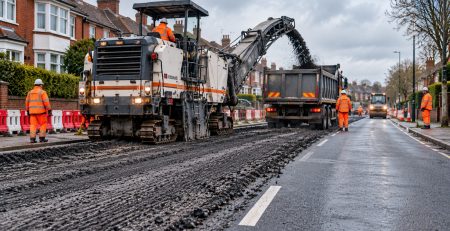
For commercial surfacing, the decision changes. Larger areas may need tarmacadam, asphalt, or machine laid tarmac because they handle heavier use, larger turning areas, and faster installation needs.
Total Surfacing Solutions provides driveway surfacing in Hertfordshire for sites where the surface must handle traffic, drainage, access, and long-term wear. For heavier vehicle movement, tarmac surfacing in Hertfordshire may be more suitable than either resin or block paving.
For larger projects, tarmac contractors in Hertfordshire can support access roads, commercial car parks, private roads, and service areas where machine-laid consistency is important.
Repairs, Potholes And Surface Failure
The repair style is different in Resin Vs Block Paving. With block paving, individual blocks can often be lifted and relaid if there is a localised problem. This is useful where underground services need access or where a small area has settled.
Resin repairs require careful colour and texture matching. A repair can be durable, but it may be more visible if the original surface has weathered or the aggregate blend is difficult to match.
For driveways with cracking, sunken areas, loose blocks, or potholes, the real issue may be the base rather than the surface. Total Surfacing Solutions provides surface repair in Hertfordshire where driveway or commercial surface defects need practical repair rather than cosmetic covering.
If a driveway has repeated damage, replacing the top layer alone may not be enough. A proper inspection should check water movement, sub-base condition, traffic load, and edging before recommending resin, block paving, tarmac, or asphalt repair.
Low Maintenance Driveway Choice
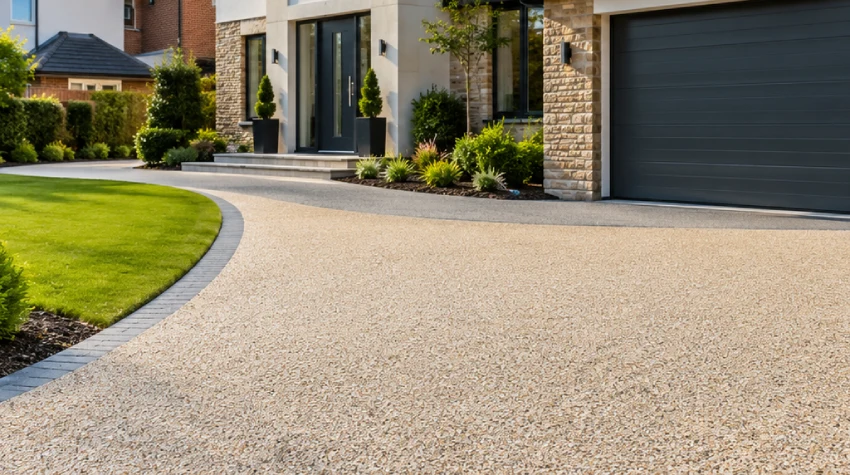
For many homeowners, the best answer in Resin Vs Block Paving is the surface that fits their maintenance habits. Resin is usually the stronger choice for a low maintenance driveway because it has fewer joints and a smoother finish.
Block paving can still be an excellent choice, but it needs more regular attention to keep the joints clean and the surface stable. For homeowners who enjoy a traditional look and do not mind cleaning or re-sanding, block paving remains a strong option.
Total Surfacing Solutions can recommend a low maintenance driveway where the client wants a practical finish that stays tidy with less routine work. The resin surface lifespan routine is a useful guide for keeping a resin driveway in good condition over time.
Resin Vs Block Paving Area Coverage
Local driveway conditions matter because soil, drainage, road edges, property layouts, and parking needs vary across counties. Total Surfacing Solutions works across Hertfordshire and surrounding areas, helping homeowners compare resin bound driveways, block paving, tarmacadam, asphalt, and repair options based on how the surface will be used.
Resin Vs Block Paving In Bedfordshire
Bedfordshire homeowners comparing resin and block paving often need a surface that balances appearance with drainage and everyday maintenance. Total Surfacing Solutions can assess whether a resin bound driveway, block paving layout, or another surfacing option is better for the property’s base condition, parking needs, and long-term upkeep.
Resin Vs Block Paving In Oxford
Oxford driveway projects can involve older properties, tighter entrances, and surfaces that need to complement the home’s exterior. Resin bound surfacing can provide a smooth modern finish, while block paving can suit traditional layouts where pattern, edging, and brickwork details are important.
Resin Vs Block Paving In Cambridgeshire
Cambridgeshire homes and small commercial sites may need driveway surfacing that handles rain, regular parking, and easy maintenance. Total Surfacing Solutions can compare resin bound surfacing with block paving and advise whether a permeable finish, stronger edging, or drainage-led preparation is needed.
Resin Driveway Comparison In Essex
Essex resin driveway projects are well suited to homeowners who want a clean, smooth finish with strong kerb appeal. When comparing Resin Vs Block Paving, Total Surfacing Solutions can explain whether resin’s lower joint maintenance and permeable potential make it the better fit.
Driveway Surface Options In Essex
Essex driveway installations may involve resin, block paving, tarmacadam, or hard landscaping depending on the site. Total Surfacing Solutions can recommend a surface based on drainage, property style, vehicle use, and how much ongoing maintenance the homeowner wants.
Driveway Repair Options In Essex
Essex driveway repairs are important when block paving has settled, resin has cracked, or tarmac has started to break down. Total Surfacing Solutions can inspect the failure and advise whether repair, resurfacing, or full replacement is the more practical route.
Machine Lay Tarmac Alternatives In Essex
Essex machine lay tarmac can be a better alternative where Resin Vs Block Paving is not suitable for larger or heavier-use surfaces. Total Surfacing Solutions can support car parks, access roads, and larger driveways where durability and efficient installation are the priority.
Resin Vs Block Paving In Hertfordshire
Hertfordshire homeowners often compare resin and block paving when upgrading older driveways. Based in Hertford, Total Surfacing Solutions can assess the existing base, drainage, finish preference, and maintenance expectations before recommending the right driveway surface.
Driveway Surface Options In Hertfordshire
Hertfordshire driveway projects can include resin bound surfacing, block paving, tarmacadam, asphalt, edging, and hard landscaping. Total Surfacing Solutions can help property owners choose a surface that suits both the home and the practical demands of daily parking.
Driveway Repair Options In Hertfordshire
Hertfordshire driveway repairs may be needed when surface movement, cracks, potholes, or poor drainage affect the driveway. Total Surfacing Solutions can identify whether the issue sits in the top surface, the base, the edging, or the drainage design.
Machine Lay Tarmac Alternatives In Hertfordshire
Hertfordshire machine lay tarmac is useful when a larger driveway, private road, or commercial surface needs a hard-wearing finish. Where Resin Vs Block Paving does not meet the traffic needs of the site, Total Surfacing Solutions can recommend tarmac or asphalt alternatives.
Final Verdict: Resin Vs Block Paving
Resin is usually the better choice for homeowners who want a smooth, modern, low-maintenance driveway with strong drainage potential. Block paving is usually better for homeowners who want a traditional patterned surface, visible structure, and the option to lift individual blocks for future access.
The right answer depends on the driveway base, drainage, property style, budget, and how much maintenance the owner is willing to manage. Total Surfacing Solutions can inspect the existing surface and explain whether resin driveways in Hertfordshire or a block paving-style solution is more suitable for the property. For commercial sites or heavier-use areas, the recommendation may also include tarmacadam, asphalt, machine laid tarmac, pothole repairs, or line marking depending on the surface demands.
FAQs
Is resin better than block paving?
Resin is better than block paving when the priority is a smooth finish, lower joint maintenance, and good drainage potential. Block paving may be better when the homeowner wants a traditional patterned driveway with individual blocks and strong visual edging. The better choice depends on the existing base, drainage route, style preference, and how much maintenance the owner is prepared to do.
Is block paving cheaper than resin?
Block paving can be cheaper or more expensive than resin depending on the blocks, pattern, preparation, drainage, and labour involved. Resin cost depends heavily on the base condition, aggregate choice, and installation depth. A simple block paving job may cost less than a fully prepared resin driveway, but detailed patterns, edging, and drainage can increase the price.
Does resin last longer than block paving?
Resin and block paving can both last well when installed correctly. Resin depends on a stable base, correct mixing, suitable depth, and proper finishing. Block paving depends on sub-base strength, edge restraints, bedding quality, joint maintenance, and drainage. Long-term performance is usually less about the surface name and more about preparation, installation quality, and maintenance.
Does block paving get more weeds than resin?
Block paving usually has a higher weed risk than resin because it has more joints where seeds, dirt, and organic matter can collect. Resin bound surfacing has fewer open joints, which can reduce weed growth, but weeds can still appear on neglected surfaces or where debris builds up. Regular sweeping and cleaning help both surfaces stay tidy.
Is resin or block paving better for rain?
Resin bound surfacing is often better for rain when it is installed over a suitable permeable base. It can allow water to pass through the surface rather than sitting on top. Block paving can also handle rain well if it is designed as a permeable system or installed with proper drainage. Standard block paving without good drainage may hold water or suffer from joint problems.
Can resin be laid over block paving?
Resin should not usually be laid directly over unstable block paving. If the blocks move, settle, or have weak joints, that movement can transfer through to the resin surface. A proper inspection is needed before deciding whether the block paving should be removed, stabilised, or replaced with a suitable base for resin bound surfacing.
Which driveway surface needs less maintenance?
Resin usually needs less maintenance than block paving because it has fewer joints and a smoother finish. Most resin maintenance involves sweeping, removing organic debris, and occasional washing. Block paving may need joint cleaning, weed control, re-sanding, and sealing depending on the condition and location. Homeowners who want a lower-maintenance surface often prefer resin.
Which looks better: resin or block paving?
Resin looks better for homeowners who prefer a smooth, modern, natural-stone finish. Block paving looks better for those who prefer traditional patterns, visible blocks, and strong border details. The best-looking option depends on the property style. A modern home may suit resin, while a traditional brick property may suit block paving or brick-edged surfacing.