Can You Use Porcelain Paving On A Driveway?
Can You Use Porcelain Paving On A Driveway? Yes, but only when the porcelain product is rated for vehicle use and the full driveway build-up is designed to support cars, turning loads, drainage, and edge restraint. Porcelain is not automatically suitable just because it is thick or sold for outdoor paving.
Total Surfacing Solutions helps homeowners and commercial clients across Hertford, Hertfordshire, Bedfordshire, Oxford, Cambridgeshire, and Essex choose surfaces that match the way the area will actually be used, including resin-bound driveways, block paving, tarmacadam, asphalt, road surfacing, outdoor steps, and low-maintenance driveway finishes.
Quick Check: If you are unsure whether porcelain is right for your project, Total Surfacing Solutions can assess your existing base, drainage, and vehicle use for driveway surfacing in Hertfordshire.
Can You Use Porcelain Paving On A Driveway?
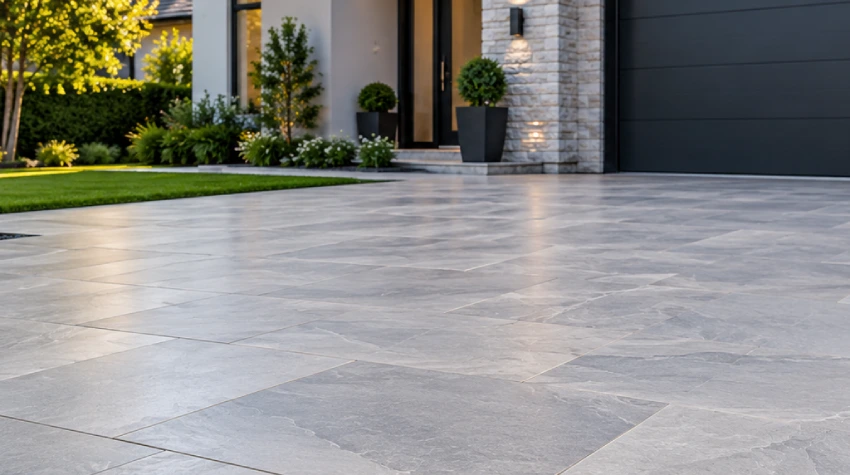
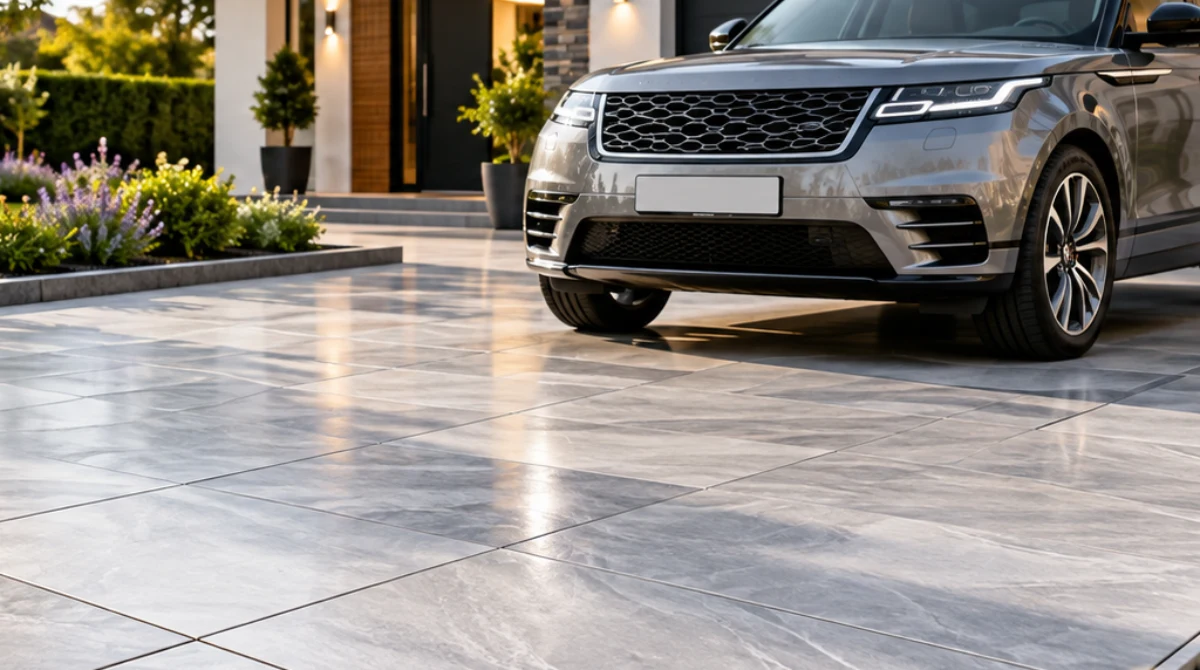
You can use porcelain paving on a driveway when the paving slab, laying method, sub-base, bedding layer, joints, and drainage are all suitable for vehicle loading. The important point is that porcelain driveway paving is a complete system, not just a decorative slab placed over an ordinary patio base.
Some outdoor porcelain paving is made mainly for patios and paths, while some products are specified for domestic driveways. A porcelain supplier should clearly confirm whether the exact slab is suitable for vehicles. Paving Slabs UK notes that porcelain can be used for a domestic driveway where the selected product is suitable for vehicle traffic and the full system is designed for the expected load.
For many homes, porcelain is chosen because it gives a clean, modern slab finish. However, Total Surfacing Solutions will usually compare porcelain with resin bound surfacing, block paving, tarmacadam, and asphalt before recommending it, because the best driveway surface depends on more than appearance.
| Driveway factor | Porcelain paving | Resin bound surfacing | Block paving |
| Appearance | Large-format, clean, modern slabs | Smooth stone-textured finish | Traditional patterned blocks |
| Drainage | Needs drainage design unless laid as part of a permeable system | Permeable when installed with a suitable base | Can be permeable if designed that way |
| Vehicle suitability | Only if slab and build-up are vehicle-rated | Suitable for domestic driveways with correct base | Suitable with correct sub-base and edge restraint |
| Maintenance | Easy to clean, but joints still matter | Low maintenance with fewer joints | More joint cleaning and weed control |
| Repair style | Slab replacement may be visible | Local repair needs colour/texture matching | Individual blocks can often be lifted |
| Best use | Modern homes with strong base design | Low-maintenance residential driveways | Traditional driveways and defined edging |
Porcelain Driveway Suitability
Porcelain driveway suitability depends first on whether the slab is made for vehicle traffic. Standard patio porcelain should not be assumed to handle cars, delivery vans, turning wheels, or repeated loading.
A domestic driveway needs a stable structure underneath the visible surface. If the base settles, voids form under the slab, or the edge restraint fails, porcelain can crack or become loose even if the slab itself is strong.
Most reliable porcelain driveway advice focuses on the full build-up: compacted sub-base, continuous mortar bed, bonding slurry, correct jointing, supported edges, and drainage. Paving Slabs UK gives a baseline domestic porcelain driveway specification that includes a compacted MOT Type 1 sub-base, continuous bonded mortar bed, slurry-primer coverage, joints, drainage, and edge restraint.
This is why Total Surfacing Solutions treats porcelain as a design-led driveway choice. It can work, but it needs the same practical assessment as resin, tarmac, asphalt, or block paving.
Porcelain Paving Base Requirements
The base is the most important part of a porcelain driveway. A slab surface may look strong, but vehicle loads travel through the paving into the bedding layer and sub-base below.
For driveway use, porcelain should usually be laid on a properly compacted vehicular sub-base with a full and continuous mortar bed. Spot bedding is a common risk because unsupported voids can leave parts of the slab carrying too much load.
For homeowners comparing installation methods, the paver foundation requirements explain why the layer beneath paving matters as much as the surface. The same principle applies to porcelain: a smart-looking slab will not perform well if the base is weak.
Porcelain can be more demanding than some other driveway surfaces because large slabs need consistent support. Total Surfacing Solutions checks levels, gradients, drainage routes, and existing surface condition before recommending whether porcelain, resin, block paving, tarmac, or asphalt is the safer option.
Drainage and SUDS-Compliant Surfacing
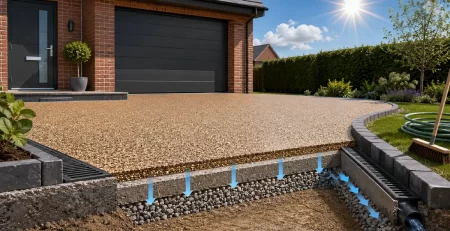
Drainage must be considered before porcelain paving is used on a driveway. Porcelain slabs are generally not porous in the same way as permeable resin-bound surfacing or porous asphalt, so water must be managed through falls, channels, borders, soakaway design, or another approved route.
In England, Planning Portal explains that front garden paving normally avoids planning permission when it uses permeable surfacing or directs rainwater to a lawn or border; impermeable surfacing over 5 square metres may need permission if runoff is not managed properly.
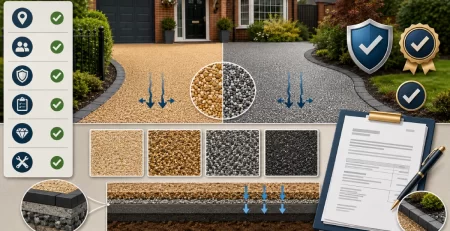
This is where permeable resin-bound surfacing can be a more practical option for many homes. Resin bound surfacing allows water to pass through the surface when installed over a suitable permeable base, while porcelain usually needs a separate drainage strategy.
The resin surface drainage principles are helpful if the main reason for changing the driveway is standing water. Total Surfacing Solutions can compare drainage-led surfaces with porcelain so the final design works in wet weather as well as dry conditions.
Porcelain Paving Vs Resin Bound Driveways
Porcelain paving and resin-bound driveways both suit modern properties, but they solve different problems. Porcelain creates a clean slab finish with straight joints and a crisp architectural look. Resin creates a continuous natural aggregate finish with fewer visible breaks.
For low-maintenance residential driveways, resin is often easier to recommend because it is smoother, permeable when correctly installed, and less joint-heavy than porcelain or block paving. Porcelain can look excellent, but it needs careful jointing, strong bedding, and reliable drainage.
Total Surfacing Solutions installs resin driveways in Hertfordshire for homeowners who want a modern finish with practical drainage and everyday usability. For customers choosing between porcelain and resin, the final decision usually depends on style, base condition, rainwater management, and how much joint maintenance the owner wants.
The resin surface strengths and limits can help homeowners compare resin against porcelain before committing to a driveway surface.
Porcelain Paving Vs Block Paving
Porcelain and block paving are both jointed surfaces, but they look and behave differently. Porcelain usually uses larger slabs with a cleaner modern finish. Block paving uses smaller individual blocks that can be laid in patterns and borders.
Block paving is often more forgiving for traditional driveways because individual units can be lifted, relaid, or replaced. Porcelain can be harder to repair invisibly because large slabs and colour batches may be difficult to match later.
If a homeowner wants a structured, traditional driveway, a block paving driveway in Hertfordshire may be more suitable than porcelain. It can also work well with edging, brickwork, outdoor steps, and hard landscaping details.
For cost planning, the paver driveway budget factors and driveway paving price components can help explain why slab size, layout, sub-base, drainage, and labour affect the final price.
Vehicle Loading And Turning Areas
A driveway surface must handle more than parked weight. Turning wheels, braking, steering, delivery access, and repeated use can place concentrated stress on the paving system.
Porcelain can be used for domestic driveways when the product and installation are suitable, but it is not usually the first choice for heavier vehicle areas, commercial access routes, or frequent turning zones. For those settings, tarmac, asphalt, machine-laid tarmac, or commercial surfacing may be more practical.
Total Surfacing Solutions provides tarmac surfacing in Hertfordshire for driveways, access routes, and heavier-use surfaces where durability and load tolerance are more important than slab appearance.
For large areas such as forecourts, private roads, and commercial car parks, porcelain is rarely the most efficient surface. Asphalt or tarmac will usually offer a more robust, serviceable finish when traffic volume is high.
Slip Resistance And Wet Weather
Slip resistance matters when asking, Can You Use Porcelain Paving On A Driveway? Outdoor porcelain should have a textured surface designed for external use, but no driveway surface is completely slip-proof when covered in algae, mud, ice, oil, or wet leaves.
Many outdoor porcelain products are sold with textured anti-slip finishes, but the exact rating and suitability should be checked with the supplier. Paving Slabs UK notes that good outdoor porcelain should have a textured external surface, while also warning that no paving surface is completely slip-free in all conditions.
For driveways with slopes, garage thresholds, or frequent wet conditions, Total Surfacing Solutions will normally assess gradient and water movement before recommending porcelain. A surface that looks attractive in dry weather still needs to be safe and practical during rain.
The sloped driveway planning framework is useful when gradients affect the choice between porcelain, resin, block paving, tarmac, or asphalt.
Maintenance And Cleaning
Porcelain is often described as low maintenance because the slab surface is dense and easy to clean. That can be true, but the joints, drainage channels, and edges still need attention.
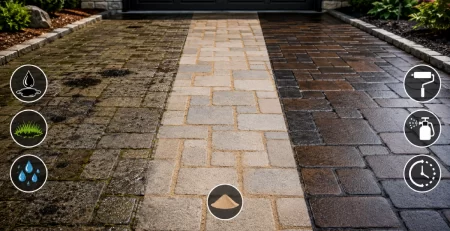
A porcelain driveway can collect tyre marks, leaf staining, algae, and dirt, especially in shaded areas. Regular sweeping and appropriate cleaning help keep the surface safer and better looking.
For homeowners planning upkeep, the paver cleaning workflow explains many of the cleaning issues that also affect jointed driveway surfaces. The paver sealing considerations may also help where staining, joint condition, or surface protection is part of the decision.
Total Surfacing Solutions can advise whether porcelain, resin, block paving, or another finish is best for a client who wants a low-maintenance driveway. In many cases, low-maintenance driveway planning means choosing a surface that reduces joint maintenance, standing water, and avoidable repairs from the start.
Porcelain Driveway Costs
Porcelain driveway costs can vary because the surface depends on more than the slab price. Excavation, waste removal, sub-base depth, mortar bed, slurry primer, jointing, edge restraint, drainage, cutting, and access all affect the final quote.
Porcelain may cost more than some basic driveway materials because it is labour-intensive and needs precise preparation. A cheaper installation that skips base strength or drainage can become expensive if slabs crack, move, or hold water.
The repaving cost warning signs can help homeowners understand when an existing driveway needs more than a surface refresh. The driveway material cost comparison is also useful for comparing porcelain with resin, block paving, gravel, tarmac, and other surfaces.
Total Surfacing Solutions does not recommend choosing porcelain on price alone. The better question is whether the driveway structure, drainage, and intended vehicle use justify the material.
Design, Colours And Kerb Appeal
Porcelain paving can look excellent on a driveway when the property suits a clean slab finish. It is especially popular around modern homes, sharp landscaping, outdoor steps, and contemporary front garden layouts.
The challenge is making the driveway look good without compromising function. Large slabs need careful layout planning around edges, drains, manholes, steps, and transitions to the road or pavement.
Where the main goal is kerb appeal with more flexible colour and texture options, Total Surfacing Solutions may recommend custom resin driveways instead. Resin-bound surfacing can create a modern appearance while still supporting permeability and lower joint maintenance.
For homeowners exploring style options, the modern resin layout patterns and resin colour matching ideas can help compare a slabbed porcelain look with a smoother aggregate finish.
Outdoor Steps, Brickwork And Edges
Porcelain paving on a driveway often needs supporting details around the main surface. Steps, retaining edges, borders, walls, thresholds, and drainage channels can decide whether the driveway lasts.
If the driveway connects to a front door, raised entrance, or garden path, safe step design matters. Total Surfacing Solutions provides outdoor step installation in Hertfordshire where the driveway layout needs practical access as well as a finished surface.
Brickwork can also support a porcelain driveway by defining edges, retaining levels, or creating boundary features. Total Surfacing Solutions offers bricklaying services in Hertfordshire for projects where the driveway surface must connect neatly with walls, steps, planting areas, or hard landscaping.
For any slabbed driveway, edge restraint is not a finishing extra. It helps stop movement, protects the surface structure, and keeps the driveway layout stable.
Alternatives To Porcelain Paving
Porcelain is not always the best driveway surface. If the site has heavy vehicle use, awkward drainage, steep gradients, or a weak existing base, another material may be more practical.
Resin-bound surfacing can be a better fit for a modern, permeable, low-maintenance driveway. Tarmacadam can be better for durability, speed, and heavier use. Block paving can suit traditional homes and repairable layouts. Gravel can work for some rural settings, but it needs restraint and may not suit every entrance.
For homeowners comparing options, the budget driveway material alternatives and stone driveway construction notes are useful when porcelain does not match the site. The gravel size driveway guide can also help if loose-stone options are being considered.
Total Surfacing Solutions can compare materials based on the driveway’s actual use, not just the style the homeowner prefers online.
Fast Installation And Project Planning
Porcelain paving is not usually the fastest driveway surface because it needs careful base preparation, mortar bedding, jointing, cutting, curing, and drainage planning. Rushing those steps can create movement, cracks, poor falls, or uneven joints.
If a client needs a quicker practical surface, tarmac or resin may be more suitable depending on the base and weather conditions. Total Surfacing Solutions provides driveway installation in Hertfordshire, where the schedule must be planned around access, curing, preparation, and site disruption.
Driveway width, turning space, drainage, and parking layout should also be checked before installing porcelain. The driveway width planning notes are useful when the current entrance feels too tight, or the homeowner wants to change the layout.
A good driveway project should not start with the surface alone. It should start with how the driveway is used every day.
Can You Use Porcelain Paving On A Driveway Area Coverage
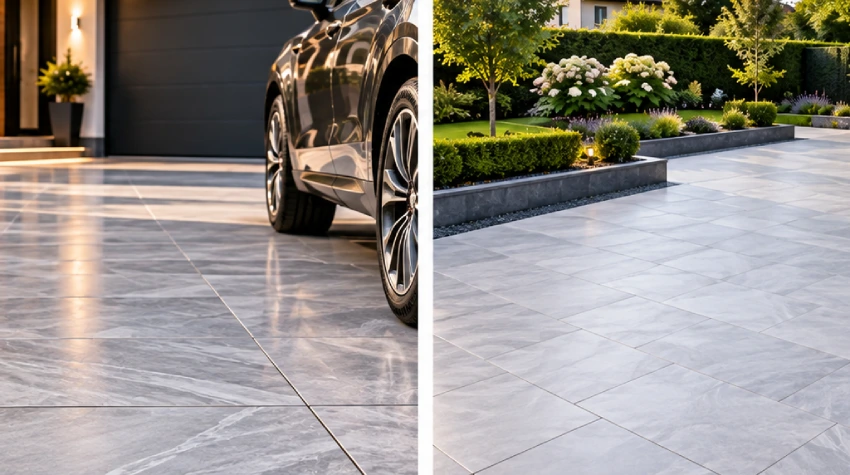
Local conditions matter because driveway gradients, road edges, drainage routes, property styles, and parking needs vary by area. Total Surfacing Solutions works across Hertfordshire and nearby counties, helping homeowners decide whether porcelain, resin bound surfacing, block paving, tarmacadam, or asphalt is the right surface.
Can You Use Porcelain Paving On A Driveway In Bedfordshire
Bedfordshire homeowners considering porcelain paving should first check whether the driveway base, drainage, and vehicle use suit a slabbed surface. Total Surfacing Solutions can compare porcelain with resin-bound surfacing and other driveway finishes where low maintenance, drainage, and kerb appeal all matter.
Can You Use Porcelain Paving On A Driveway In Oxford
Oxford driveway projects often need a surface that works around property character, access, and everyday parking. Porcelain can suit modern layouts, but Total Surfacing Solutions can also advise when resin-bound surfacing or another driveway option gives better drainage and long-term practicality.
Can You Use Porcelain Paving On A Driveway In Cambridgeshire
Cambridgeshire homes and small commercial sites may need driveway surfaces that handle rain, daily vehicle use, and simple upkeep. Total Surfacing Solutions can assess whether porcelain paving is suitable or whether resin-bound surfacing, block paving, tarmac, or asphalt is a better match.
Porcelain Paving Driveway Options In Essex
Essex homeowners comparing porcelain with resin should consider drainage, base strength, and maintenance before choosing. Total Surfacing Solutions can explain where porcelain slabs work well and where a resin-bound driveway may be more practical for a modern, permeable finish.
Driveway Surface Choices In Essex
Essex driveway projects can involve porcelain-style paving, resin, block paving, tarmacadam, or hard landscaping depending on the site. Total Surfacing Solutions can recommend a surface based on the property layout, parking needs, finish preference, and drainage route.
Driveway Repair Planning In Essex
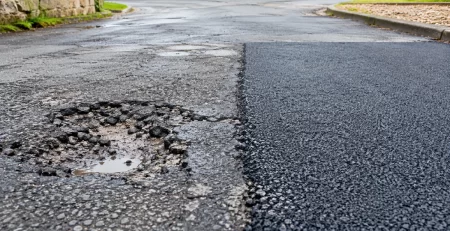
Essex driveway repairs may be needed when an old surface has cracked, sunk, or started holding water. Before installing porcelain or any other finish, Total Surfacing Solutions can check whether the existing base needs repair, resurfacing, or full reconstruction.
Tarmac Alternatives To Porcelain In Essex
Essex machine lay tarmac can be a more practical option where porcelain paving is not suitable for larger driveways, access roads, or heavier-use surfaces. Total Surfacing Solutions can advise when durability and installation efficiency matter more than a slabbed finish.
Can You Use Porcelain Paving On A Driveway In Hertfordshire
Hertfordshire homeowners can use porcelain paving on a driveway only when the product and full installation are suitable for vehicles. Based in Hertford, Total Surfacing Solutions can assess the driveway structure and compare porcelain with resin, block paving, tarmac, and other options.
Driveway Surface Choices In Hertfordshire
Hertfordshire driveway projects may need resin-bound surfacing, block paving, tarmacadam, asphalt, or hard landscaping depending on the site. Total Surfacing Solutions can help property owners choose a driveway surface that fits the home and performs under daily use.
Tarmac Alternatives To Porcelain In Hertfordshire
Hertfordshire machine-laid tarmac is useful when porcelain paving is not the best match for traffic load, project size, or commercial use. Total Surfacing Solutions can recommend machine-laid surfacing where strength, consistency, and efficient installation are the priority.
Final Answer: Can You Use Porcelain Paving On A Driveway?
Yes, you can use porcelain paving on a driveway, but only when the exact slab is suitable for vehicle loading, and the full construction is designed properly. The driveway needs a strong compacted base, full support under the slabs, correct bonding, drainage, jointing, and edge restraint.
Porcelain can be a smart choice for a modern domestic driveway where appearance is the priority and the installation specification is right. It is less suitable for poorly drained sites, weak bases, heavy traffic, and projects where a faster or more forgiving surface is needed.
Total Surfacing Solutions can inspect the existing area and explain whether porcelain, resin driveways in Hertfordshire, tarmacadam, block paving, or another surface is the better fit. For many homes, resin-bound surfacing offers a strong balance of kerb appeal, permeability, and lower maintenance. For heavier-use areas, tarmac or asphalt may be the more practical recommendation.
FAQs
Can You Use Porcelain Paving On A Driveway?
Yes, you can use porcelain paving on a driveway if the porcelain slab is suitable for vehicles and the installation system is designed for driveway loading. The surface needs a strong compacted sub-base, full mortar support, suitable jointing, edge restraint, and drainage. Patio-grade porcelain should not automatically be used for cars unless the supplier confirms driveway suitability.
Is porcelain paving strong enough for cars?
Porcelain paving can be strong enough for cars when it is a vehicle-rated product and installed correctly. The slab itself is only one part of the system. If the bedding layer has voids, the base settles, or the edges are unsupported, cracking or movement can occur. The driveway should be designed around the expected vehicle weight and turning movement.
Does porcelain paving need a concrete base on a driveway?
Porcelain paving does not always need a concrete base, but it does need a strong and stable driveway build-up. Many systems use a compacted MOT Type 1 sub-base with a full mortar bed and slurry primer. In some cases, a concrete base may be used where the site conditions require it. The correct base depends on drainage, load, and ground condition.
Is porcelain paving slippery on a driveway?
Outdoor porcelain paving should have a textured surface suitable for external use, but no driveway surface is completely slip-free. Rain, algae, mud, oil, frost, and wet leaves can all increase slip risk. For driveways, the product’s slip resistance, surface texture, gradient, and drainage should be checked before installation.
Is porcelain paving better than resin for a driveway?
Porcelain is better when the homeowner wants a clean slab finish, and the driveway can be built to the correct specification. Resin is often better when permeability, smoother finish, fewer joints, and lower maintenance are priorities. For many UK homes, resin-bound surfacing is the more practical choice where drainage and everyday upkeep matter.
Is porcelain paving better than block paving?
Porcelain paving gives a more modern slab appearance, while block paving gives a traditional patterned driveway with individual blocks. Block paving may be easier to repair in small sections because blocks can often be lifted and replaced. Porcelain can look sharper, but it needs careful installation and may be harder to repair invisibly.
How do you maintain porcelain paving on a driveway?
Porcelain paving should be swept regularly and cleaned with suitable products when dirt, tyre marks, algae, or leaf staining appear. Joints and drainage channels should be kept clear so water can move away properly. Even though porcelain slabs are dense and easy to clean, the driveway still needs routine maintenance to stay safe and attractive.
What is the best alternative to porcelain paving for a driveway?
The best alternative depends on the property. Resin-bound surfacing is often a strong alternative for homeowners who want a modern, permeable, low-maintenance finish. Block paving suits traditional designs and repairable layouts. Tarmac and asphalt are practical for heavier use, larger driveways, access roads, and commercial surfaces.