Standard Driveway Width Guide
A driveway can look wide enough on paper, but feel tight once mirrors, doors, bins, walls, borders, and turning angles are involved. The serious step is to compare the Single-Car Driveway Standard, the Multi-Car Driveway Standards, vehicle size, entrance flare, drainage, and local access rules before building. The experienced solution is to plan the driveway around real daily movement, not only the number of cars, so the surface stays usable, safe, and attractive.
Quick clue: a single driveway usually needs 10–12 feet, while two-car parking often needs 20–24 feet.
Tip: Choosing the right driveway width improves accessibility, parking convenience, and future usability. For expert design advice and a tailored quotation, Get A Free Quote.
Standard Driveway Width Guide
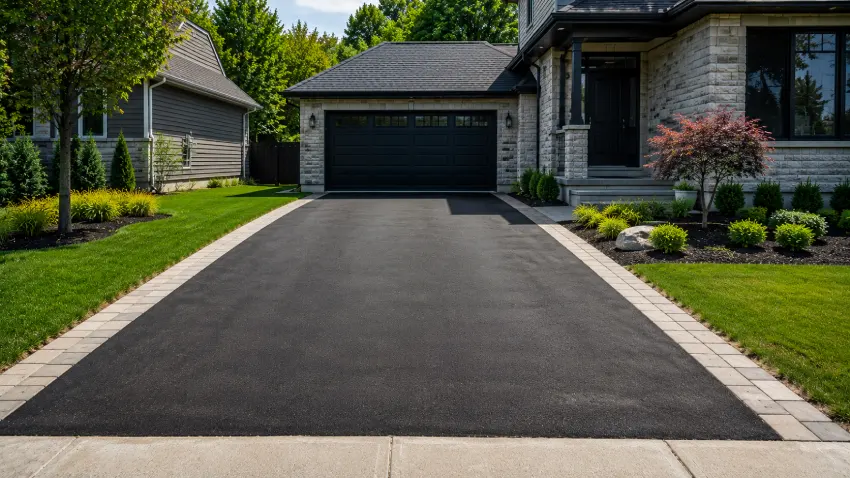
A driveway width should be based on vehicle size, parking layout, access angle, door clearance, and future use. This section gives the core sizing rules before moving into detailed layout choices.
A Standard Driveway Width Guide starts with one simple question: how many vehicles need to use the space comfortably every day? A tight driveway can still fit a car, but it may make door opening, turning, walking, and parking stressful.
For one vehicle, 10–12 feet is a practical standard. For two cars parked side by side, 20–24 feet is usually more comfortable. Three-car driveways often need 28–30 feet or more, depending on layout and vehicle size.
A specialist such as Total Surfacing Solutions can assess the existing frontage, access angle, drainage, and surface condition before recommending a resin-bound driveway layout.
| Driveway Type | Practical Width | Best For |
| Tight single driveway | 8–9 feet | Limited access only |
| Standard single driveway | 10–12 feet | Daily car use |
| Wider single driveway | 12–14 feet | SUVs, vans, easier doors |
| Two-car driveway | 20–24 feet | Side-by-side parking |
| Three-car driveway | 28–30+ feet | Larger frontages |
Width is not only about parking. It also affects turning, surface wear, edge damage, drainage design, and kerb appeal.
Single-Car Driveway Standard: Daily Access
Single-Car Driveway Standard planning should include the car, mirrors, door swing, walking space, and side borders. This section explains what feels practical for everyday use.
A Single-Car Driveway Standard is usually 10–12 feet wide. Ten feet can work for a standard car, but twelve feet is more comfortable for larger vehicles, family cars, SUVs, and vans.
A minimum width of 8–9 feet may be possible in tight sites, but it often feels restrictive. It may leave little room to open doors or walk beside the car without stepping into planting, gravel, or a wall.
A single driveway should consider:
- Vehicle width
- Mirror clearance
- Door opening space
- Bin access
- Walking space
- Border or wall position
- Drainage channel location
- Future vehicle changes
- Delivery access
- Surface edge protection
People planning a new entrance should also understand driveway apron meaning. The apron affects how easily vehicles move from the road into the driveway.
| Single Driveway Width | User Experience |
| 8–9 feet | Very tight, limited comfort |
| 10 feet | Standard car access |
| 11 feet | Better daily use |
| 12 feet | More comfortable for SUVs |
| 14 feet | Easier doors and a walking room |
A narrow driveway can increase edge damage because tyres repeatedly track close to the same border. A slightly wider design often protects the surface and improves daily usability.
Multi-Car Driveway Standards: Side-by-Side
Multi-Car Driveway Standards should allow parking, door opening, turning, and safe walking between vehicles. This section explains two-car, three-car, and wider frontage planning.
Multi-Car Driveway Standards usually begin at 20–24 feet for two cars. Twenty feet may fit two vehicles, but twenty-four feet gives better door clearance and reduces mirror-to-mirror stress.
For three vehicles, 28–30 feet or more may be needed. The final width depends on whether the cars park side by side, in tandem, at an angle, or near a garage.
A multi-car driveway should be checked:
- Number of vehicles
- Side-by-side spacing
- Door clearance
- Garage alignment
- Turning space
- Pedestrian access
- Bin storage
- EV charger position
- Drainage channels
- Entrance flare
People planning a larger driveway should review driveway widening cost before changing the layout. Width changes can affect excavation, drainage, edging, and surface cost.
| Layout | Practical Width | Watch Point |
| Two compact cars | 18–20 feet | Door clearance may be tight |
| Two family cars | 20–24 feet | Better everyday use |
| Two SUVs | 24 feet or more | Mirror and door clearance |
| Three cars | 28–30+ feet | Frontage and drainage |
| Tandem layout | Narrower width | More movement needed |
A wider driveway should not simply replace the whole front garden without drainage planning. The design must still manage rainwater properly.
Specialised Driveway Elements: Smart Layout
Specialised Driveway Elements make a driveway easier to use, safer to enter, and stronger over time. This section covers garages, flares, curves, long drives, walkways, and edging.
Specialised Driveway Elements are the details that make the difference between a driveway that fits a car and a driveway that works well every day. These include entrance flares, garage alignment, turning areas, walkways, edging, and drainage channels.
If the driveway leads to a garage, the driveway should align with the garage opening. A two-car garage often needs the driveway width to match the door arrangement, especially when vehicles park directly in front of it.
Special layout details include:
- Garage alignment
- Entrance flare
- Turning bay
- Long-drive passing bay
- Border walkway
- Retaining edge
- Drainage channel
- Kerb transition
- EV charger access
- Bin and delivery route
For gravel or sub-base planning, driveway gravel size can help explain why the right aggregate size matters under traffic areas.
| Element | Why It Helps |
| Entrance flare | Easier turning from the road |
| Passing bay | Useful on long drives |
| Walkway edge | Safer pedestrian movement |
| Drainage channel | Controls water |
| Garage alignment | Easier parking |
| Strong edging | Protects surface borders |
A driveway should be planned as a movement space. Cars, people, bins, water, and delivery access all need room.
Entrance and Apron Width: Turning Zone
Entrance width decides how easily vehicles enter the driveway. This section explains flares, aprons, dropped kerbs, curved approaches, and council-controlled access points.
The entrance often needs more thought than the main parking space. A driveway can be wide enough near the house, but still difficult to use if the entrance is too narrow.
A flare of 2–3 feet on each side can make turning easier. This is especially useful where the road is narrow, the kerb is raised, or larger vehicles need to swing in without clipping borders.
In the UK, a dropped kerb or vehicle crossover may need council approval. If you widen the driveway but do not have legal access across the pavement, the layout may still be a problem.
Entrance checks include:
- Dropped kerb width
- Driveway apron shape
- Vehicle turning angle
- Pavement crossing rules
- Kerb position
- Road visibility
- Boundary walls
- Nearby trees
- Utility covers
- Drainage at the entrance
For legal access planning, widen driveway permission UK is a useful related guide. Access rules can affect the project before surfacing begins.
| Entrance Detail | Practical Effect |
| Narrow throat | Difficult turning |
| Flared entrance | Easier access |
| Curved entry | Needs extra width |
| Dropped kerb | Legal vehicle crossing |
| Poor visibility | Safety concern |
| Weak apron edge | Surface damage |
For responsibility questions, driveway apron responsibility can help clarify where private surfacing may meet public access rules.
Resin Surface Planning: Width With Finish
Resin-bound driveway planning should combine width, drainage, surface finish, and base strength. This section explains how resin fits into practical driveway layout decisions.
Resin-bound surfacing can be a strong option when you want a clean, smooth, modern driveway surface. It works best when the width, base, drainage, and edge restraint are designed together.
A resin driveway can look smart on single-car and multi-car layouts. It also gives a neat finish around borders, garages, and entrance flares when installed by a professional team.
But resin should not be used to hide poor layout. If the driveway is too narrow, slopes badly, or drains poorly, the surface finish alone will not fix the problem.
Resin planning should include:
- Practical driveway width
- Base strength
- Permeable build-up
- Edge restraint
- Anti-slip texture
- Drainage direction
- Colour choice
- Turning area
- Winter safety
- Maintenance access
People comparing surface choices should review resin driveway advantages and disadvantages before deciding. Resin can improve kerb appeal, but installation quality and layout matter.
| Resin Planning Point | Why It Matters |
| Width | Controls parking comfort |
| Permeability | Helps drainage |
| Edge restraint | Protects borders |
| Anti-slip finish | Improves safety |
| Base layer | Supports vehicles |
| Finish choice | Improves appearance |
For winter performance, resin driveways slippery is also useful. Width, drainage, and grip all affect everyday safety.
Area Coverage for Standard Driveway Width Guide
Local driveway width planning depends on property frontage, vehicle use, council access, drainage, and surface choice. These area sections explain how Bedfordshire, Cambridgeshire, Essex, Hertfordshire, and Oxford homeowners should plan driveway width.
Best Resin Driveway Finishes In Bedfordshire
For resin bound driveways in Bedfordshire, driveway width usually starts with everyday parking needs. Many homes need space for one or two cars, plus safe access for bins, deliveries, and people walking beside the vehicle.
A 10-foot driveway may work for a small car, but 12 feet is more comfortable for family vehicles. If two cars need to park side by side, the design should move closer to 20–24 feet so doors can open without damage.
Bedfordshire homeowners should also check the entrance flare. A wider parking area still feels awkward if vehicles struggle to enter from the road.
Resin Driveway Installation In Cambridgeshire
For resin bound driveways in Cambridgeshire, the driveway width should be planned with drainage and frontage layout. Flat driveways can look simple, but water movement must still be controlled.
A wider resin-bound driveway may help create a clean parking space, but the base must support both vehicle loads and permeability. If water sits near the entrance or border, the surface may become harder to maintain.
Cambridgeshire homeowners should think about how cars turn, park, and exit. A layout that looks wide enough may still need a flare or extra turning room to work smoothly.
Best Resin Driveway Finishes In Essex
For resin bound driveways in Essex, driveway width often affects both usability and kerb appeal. A well-sized driveway can make the frontage look organised instead of crowded.
Two-car parking should usually be planned around practical door clearance. If the width is too tight, people may step into planting, walls, gravel borders, or neighbouring space when getting out.
Homeowners thinking about resale should also read driveway increase home value. Extra width can support value when it creates useful, legal, well-drained parking.
Smooth Resin Driveways In Hertfordshire
For resin bound driveways in Hertfordshire, slopes and curves can change the ideal driveway width. A curved driveway often needs extra width because tyres track differently through bends.
A sloped driveway also needs careful grip and drainage planning. If the driveway is too narrow on a slope, drivers may repeatedly cut the same edge while braking or turning.
For sloped designs, driveway on slope is a helpful supporting guide. Width, surface texture, water flow, and edge restraint should be planned together.
Modern Resin Driveway In Oxford
For resin bound driveways in Oxford, driveway width may need to respect traditional property frontage, pavement access, boundary walls, and local design sensitivity.
A resin-bound driveway can create a clean, controlled finish, but the width must still suit real vehicle use. Oxford homes with older kerbs, narrow roads, or shared boundaries may need careful entrance planning.
If an entrance or apron is involved, driveway width should be checked before surfacing begins. A beautiful finish will not solve a driveway that is too narrow for daily turning.
Final Width Checklist: Measure Twice
A good driveway width should feel comfortable, legal, well-drained, and suitable for future vehicle use. This section gives a practical checklist before approving the layout.
Before building, widening, or resurfacing, check:
- How many vehicles need parking?
- Are the vehicles compact cars, SUVs, or vans?
- Can doors open comfortably?
- Is the entrance wide enough?
- Does the driveway need a flare?
- Does the driveway curve?
- Is there space for bins and walking?
- Will water drain correctly?
- Is a dropped kerb involved?
- Does the surface match the property?
A contractor such as Total Surfacing Solutions can inspect the driveway and recommend a width, surface, and layout that fit the property.
| Checklist Point | Best Outcome |
| Vehicle size checked | Comfortable parking |
| Door clearance allowed | Less daily frustration |
| Entrance flare included | Easier turning |
| Drainage planned | Less water damage |
| Surface chosen correctly | Better lifespan |
| Rules checked | Fewer approval issues |
For weak ground or poor drainage, muddy driveway fix and driveway erosion fix may help before the final surface is installed.
The right driveway width is the one that works every day, not just the one that fits a vehicle once.
Frequently Asked Questions: Driveway Width
1. What is the standard width for a single driveway?
A standard single driveway is usually 10–12 feet wide. Ten feet may work for a normal car, while 12 feet is more comfortable for SUVs, vans, door opening, and daily access.
2. What width is best for two cars?
A two-car driveway usually works best at 20–24 feet wide. Twenty feet may fit two cars, but 24 feet gives better door clearance and more comfortable side-by-side parking.
3. Is 8 feet wide enough for a driveway?
Eight feet can be possible in very tight spaces, but it is not comfortable for most daily use. It leaves limited room for mirrors, doors, walking space, and turning movement.
4. How wide should a driveway entrance be?
The entrance should usually match the driveway’s vehicle use and may need a flare. A 2–3 foot flare on each side can make turning easier, especially for larger vehicles.
5. Do curved driveways need extra width?
Yes, curved driveways often need extra width because vehicles track differently through bends. Adding a few feet helps prevent tyres from running over edges, grass, or borders.