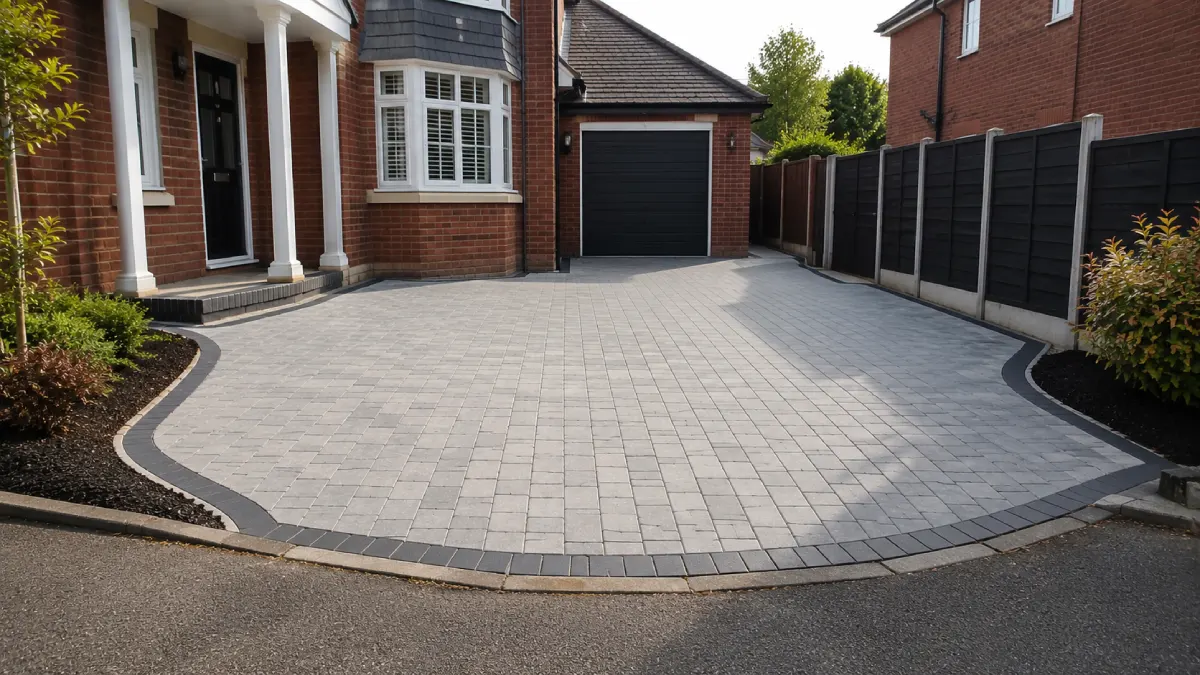
How Much Does It Cost to Widen a Driveway?
Widening a driveway can look like a simple extra strip of surfacing, but the real cost often sits under the surface. The serious step is to check Vital Legal and Zoning Requirements, ground depth, utility risk, drainage, dropped kerb rules, and surface tie-ins before pricing materials. The experienced solution is to plan the widened area as a full structural driveway extension, not a quick patch beside the old drive.
How Much Does It Cost to Widen a Driveway?
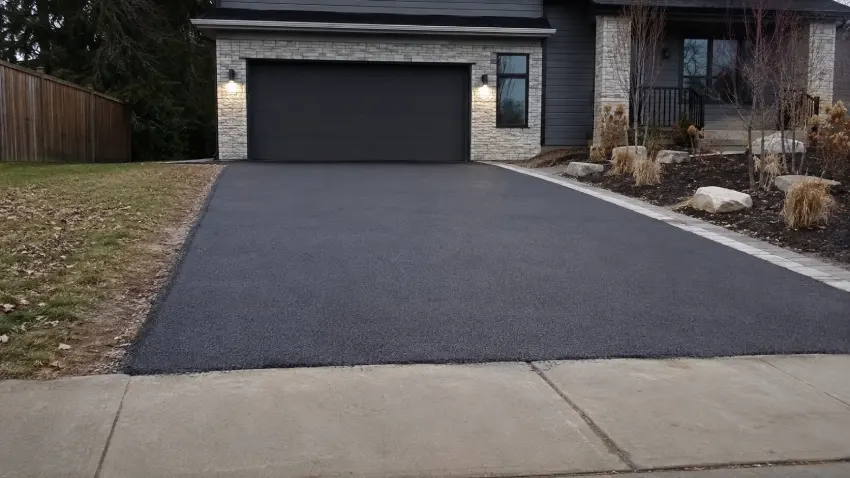
Driveway widening cost depends on size, surface type, drainage, access, and ground conditions. This section gives the practical pricing logic before you compare resin, asphalt, concrete, gravel, or paving.
How Much Does It Cost to Widen a Driveway? In the UK, a driveway widening project can often sit around £100 to £250 per m² when excavation, supply, labour, and surface installation are included. Simple gravel extensions may cost less, while resin, block paving, drainage upgrades, and full sub-base work can push the price higher.
A small extension for one extra parking strip may cost far less than a full front-garden conversion. The real difference comes from whether the contractor can build onto a stable base or must dig out soil, fix drainage, install edging, and match the existing driveway.
A specialist such as Total Surfacing Solutions can assess whether the widening area is suitable for resin-bound surfacing, full excavation, or a drainage-led rebuild.
Typical cost drivers include:
- Driveway size
- Surface material
- Excavation depth
- Sub-base condition
- Drainage design
- Dropped kerb changes
- Waste removal
- Edging and kerbs
- Access difficulty
- Surface tie-in detail
| Cost Item | Typical Impact |
| Basic surface extension | Lower cost if the base is ready |
| Full excavation | Higher cost due to labour and waste |
| Resin-bound finish | Premium surface cost |
| Drainage channel | Adds material and labour |
| Dropped kerb widening | Council and contractor costs |
| Weak soil correction | Can change the whole quote |
The safest price is not the lowest number. It is the quote that explains what happens under the surface, how water will move, and whether the widened section will last.
Vital Legal and Zoning Requirements: Avoid Fines
Legal checks can change the driveway widening cost before construction starts. This section explains permission, dropped kerbs, front garden rules, boundaries, and council approval risks.
Vital Legal and Zoning Requirements matter because widening a driveway can affect public pavements, front gardens, water runoff, boundaries, and highway access. If these checks are missed, the council may refuse access or require changes after you have already paid for work.
In the UK, driveway surfacing often depends on permeability. If the new surface is permeable or drains into a lawn, border, or soakaway inside your property, planning permission is usually less likely. If the surface is impermeable and over 5m², permission may be needed unless drainage is handled correctly.
You also need to check vehicle access. If the widened driveway needs a wider pavement crossing, a new or extended dropped kerb normally requires council approval.
Before pricing the work, check:
- Planning permission
- Dropped kerb approval
- Property boundary lines
- Conservation area rules
- Listed building restrictions
- Estate covenants
- Shared access rights
- Protected trees
- Public footpath position
- Visibility from the road
People asking about widen driveway permission UK should check the rules before choosing a material. Permission mistakes can cost more than the driveway surface itself.
| Legal Item | Cost Risk |
| Dropped kerb application | Non-refundable council fee |
| Crossover construction | Often a separate cost |
| Conservation restriction | Extra approval or redesign |
| Boundary error | Neighbour dispute |
| Impermeable surface | Planning permission risk |
| Tree or utility conflict | Project redesign |
A good driveway quote should ask legal questions early. If the installer only measures square metres, the quote may be incomplete.
Crucial Site Preparation and Hidden Ground Issues: Cost Trap
Hidden ground issues can double the cost of widening a driveway. This section explains excavation, topsoil removal, utilities, roots, weak ground, and sub-base depth.
Crucial Site Preparation and Hidden Ground Issues decide whether the widened section stays level or starts cracking, sinking, and separating from the old driveway. The visible surface is only the final layer.
Most widening projects need excavation because grass, topsoil, and soft garden ground cannot support cars. Contractors often remove organic soil, then install a compacted stone sub-base before the final surface is laid.
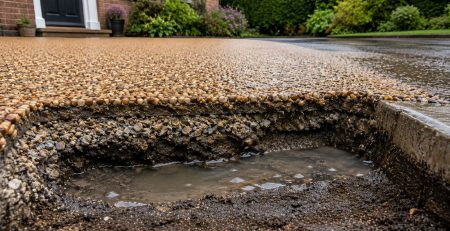
If the widened section is built directly over topsoil, it can dip within months. The problem may become worse after rain, frost, or repeated parking in the same place.
Hidden cost items include:
- Topsoil excavation
- Waste removal
- Crushed stone sub-base
- Compaction
- Tree root removal
- Utility protection
- Old concrete removal
- Soft ground correction
- Edge restraint installation
- Kerb or wall adjustments
| Hidden Issue | Why It Raises Cost |
| Clay soil | Needs stronger preparation |
| Tree roots | May crack the surface later |
| Shallow utilities | Need protection or rerouting |
| Old weak concrete | Must be removed |
| Poor compaction | Causes settlement |
| No edge restraint | Surface spreads or breaks |
People comparing driveway gravel size should remember that stone size matters in the sub-base and surface. The wrong aggregate can reduce stability and drainage.
Good preparation protects the investment. A cheap extension beside an old driveway often fails at the seam, edge, or soft ground area first.
Water Management and Drainage Engineering: Stop Runoff
Drainage is one of the most expensive hidden factors in driveway widening. This section explains runoff, fall, channels, soakaways, culverts, and permeable surface design.
Water Management and Drainage Engineering matters because widening often replaces grass with hardstanding. That means rainwater must be managed properly instead of being pushed toward the road, house, garage, or neighbour.
A widened driveway should drain away from the building and avoid sending surface water onto public highways. If the ground slopes toward the house or boundary, the project may need more than a simple surface extension.
Drainage solutions may include:
- Permeable resin-bound surfacing
- Open-graded sub-base
- Channel drains
- French drains
- Soakaways
- ACO-style drainage
- Driveway culvert
- Correct fall and levels
- Permeable borders
- Drainage edge detail
A resin-bound surface can help where permeability matters. But the base below must also allow water movement, water may become trapped under the surface.
For complex water flow near roads or entrances, driveway culvert guidance can help homeowners understand how water passes beneath access points.
| Drainage Problem | Likely Cost Impact |
| Water runs to the house | Channel drain needed |
| Water runs to the road | Planning and drainage issues |
| Driveway slopes sideways | Edge drainage needed |
| Clay ground | Soakaway may be difficult |
| Existing puddles | Base redesign needed |
| Erosion at edge | Stabilisation needed |
If the widened driveway is on a gradient, driveway on slope planning becomes important. Slope affects grip, runoff, edging, and material choice.
Drainage is not an optional extra. It is what stops a widened driveway from becoming a future repair project.
Surface Choice and Tie-In Costs: Match Correctly
The chosen surface affects price, appearance, repair risk, and long-term value. This section compares resin, gravel, pavers, asphalt, and concrete for widening projects.
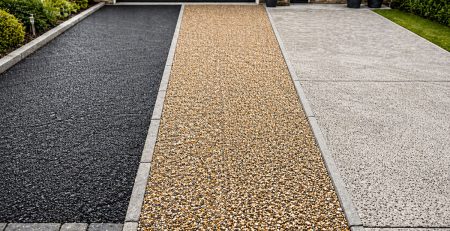
The surface material changes both the upfront quote and the long-term result. Gravel may be cheaper, while resin-bound surfacing gives a cleaner and more controlled finish when installed correctly.
A key cost problem is the seam between the old driveway and the new widened section. Concrete and asphalt can show a visible join. Resin or resurfacing may reduce the contrast if the whole area is finished together.
Surface choices include:
- Resin-bound surfacing
- Gravel or gravel grid
- Block paving
- Concrete
- Asphalt
- Tarmac
- Permeable paving
- Decorative aggregate
People comparing materials can read resin driveway advantages and disadvantages before choosing. Resin can give strong drainage and kerb appeal, but it still needs correct base preparation.
| Surface | Cost Direction | Main Watch Point |
| Gravel | Lower | Migration and rutting |
| Block paving | Mid to high | Weed gaps and movement |
| Asphalt | Mid | Seam and curing time |
| Concrete | Mid to high | Colour mismatch and cracking |
| Resin bound | Mid to high | Base and permeability |
For comparison, paver driveway cost can help homeowners judge whether block paving suits their budget. If asphalt is being used, new asphalt parking time helps with usage planning.
If the old driveway is tired, widening only one side may look patched. A full resurfacing approach can cost more upfront, but often looks cleaner.
Timeline and Usage Rules: Plan Access
A widening project can disrupt parking for several days or longer. This section explains excavation time, curing, access limits, and why heavy vehicles affect cost.
Most driveway widening projects take longer than homeowners expect because excavation, waste removal, base compaction, drainage, edging, surfacing, and curing happen in stages.
Simple projects may take 1 to 3 days on site. Larger or drainage-heavy jobs may take longer, especially if the weather delays curing or the ground needs extra correction.
Usage restrictions vary by surface. Resin-bound driveways need curing time before foot or vehicle use. Concrete may need several days before cars and longer before heavy vehicles. Asphalt can be driven on sooner, but it may remain soft in warm weather.
Plan around:
- Where will cars park during work
- When the driveway can be walked on
- When cars can return
- Whether delivery vans need access
- Whether bins can be moved
- Whether heavy vehicles will park there
- Weather delay risk
| Project Stage | Typical Disruption |
| Excavation | No driveway access |
| Sub-base installation | Limited access |
| Drainage work | Messier site stage |
| Surfacing | Weather-sensitive |
| Curing | No parking period |
| Final cleaning | Short disruption |
If you are looking for a van, camper, or heavier vehicle, tell the contractor before pricing. The sub-base and surface choice may need upgrading.
Area Coverage for How Much Does It Cost to Widen a Driveway?
Driveway widening cost changes by local property style, drainage, road access, ground condition, and council requirements. These area sections explain how Bedfordshire, Cambridgeshire, Essex, Hertfordshire, and Oxford homeowners should think about price.
Resin Bound Driveway in Bedfordshire Uk
For resin bound driveways in Bedfordshire, the widening cost often depends on whether the project is a simple side extension or a full frontage redesign. Many Bedfordshire homes need extra parking for a second car, family vehicle, or safer turning space.
The first cost check is the base. If the extension replaces lawn or soil, excavation and compacted stone are needed before resin can be laid. If the old drive edge is weak, the contractor may need to rebuild the border and blend the widened section properly.
Dropped kerb width should also be checked before work starts. A wider driveway does not help if vehicles cannot legally access the new parking space from the road.
Resin Bound Surfacing in Cambridge
For resin bound driveways in Cambridgeshire, water management can be a major cost factor. Flat sites and clay-influenced ground can make drainage harder than the surface price suggests.
A resin-bound widening design may reduce runoff when installed over a suitable permeable base. But if water already sits on the frontage, the quote should include drainage correction before surfacing.
Cambridgeshire homeowners should ask whether the widened section will drain through the base, into a border, or into a designed drainage system. This is where a cheap quote may miss the real cost of long-term driveway performance.
Resin Driveways In Essex
For resin bound driveways in Essex, widening often focuses on both parking and presentation. Essex homeowners may want extra usable space without making the front of the property look like a patchwork of materials.
The cost can rise when the old driveway surface does not match the new extension. A full resin overlay or resurfacing approach may create a cleaner finish than joining new material to faded concrete or tarmac.
If widening is being done for resale appeal, driveway increase home value may help frame the decision. Extra parking is useful only when it is legal, attractive, and practical.
Resin Driveway Contractors In Hertfordshire
For resin bound driveways in Hertfordshire, slopes and shaded frontages can affect the widening cost. A driveway on a gradient may need stronger edging, drainage channels, and anti-slip surface planning.
Groundwork is often the deciding factor. If the widened area cuts into a planted border, raised section, or sloped lawn, excavation and retaining detail may add cost.
Hertfordshire homeowners should also plan winter safety if the drive is shaded. A resin-bound surface can work well, but grip, drainage, and maintenance still need attention. For safety planning, resin driveways slippery is a useful related guide.
Resin Driveway in Oxfordshire
For resin bound driveways in Oxford, cost can be shaped by access detail, conservation sensitivity, and traditional frontage design. Some homes need a subtle finish that suits brick, stone, or older street character.
If the driveway meets the pavement or highway edge, driveway apron meaning and driveway apron responsibility may help before work starts.
Oxford homeowners should also check whether widening affects a wall, tree, boundary, or existing crossover. These details can change the cost before the surface is even priced.
Final Cost Checklist: Quote Smarter
A good driveway widening quote should explain legal checks, ground preparation, drainage, surface choice, and curing time. This section gives a checklist before you approve the work.
Before accepting a quote, ask for the scope in writing. A clear quote should separate excavation, waste removal, sub-base, edging, drainage, surfacing, and access changes.
Ask these questions:
- Is planning permission needed?
- Does the surface meet front garden rules?
- Do I need a widened dropped kerb?
- How deep will the excavation go?
- What sub-base will be installed?
- Where will rainwater drain?
- Will the old and new surfaces match?
- How long before parking?
- Is the surface suitable for vehicle’s weight?
- What warranty applies?
A contractor such as Total Surfacing Solutions can help check the existing drive, drainage route, and surface options before pricing the work.
| Quote Line | Why It Matters |
| Excavation depth | Prevents sinking |
| Sub-base material | Carries a vehicle load |
| Drainage detail | Prevents runoff issues |
| Edge restraint | Stops cracking edges |
| Surface finish | Controls appearance |
| Curing guidance | Protects new work |
For weak or wet ground, muddy driveway fix and driveway erosion fix may help before the widening design is finalised.
A proper driveway widening cost is not just a square-metre rate. It is the cost of making the extra space legal, stable, drained, and usable.
Frequently Asked Questions: Driveway Widening Cost
1. What is the cheapest way to widen a driveway?
Gravel is often the cheapest surface, especially when the base is simple. But it can move, rut, and need edging. Resin, block paving, concrete, and asphalt usually cost more but look cleaner.
2. Does widening a driveway need a dropped kerb?
If the widened area needs vehicle access across the pavement, you may need a new or extended dropped kerb. This is normally handled through the local council, not just the driveway contractor.
3. Why is driveway widening more expensive than expected?
Costs rise because of excavation, waste removal, sub-base depth, drainage, edging, surface matching, utility issues, tree roots, and council requirements. The visible surface is only part of the price.
4. Is resin good for widening a driveway?
Yes, resin-bound surfacing can work well because it is clean, permeable, and attractive when installed over the right base. It is not suitable for weak ground without proper preparation.
5. Should I widen or fully resurface my driveway?
Widening only one side may leave a visible join. Full resurfacing costs more but usually creates a better finish, especially when the old driveway is faded, cracked, or uneven.